Login
Login
How a Couple’s Massage Improves Communication & Intimacy
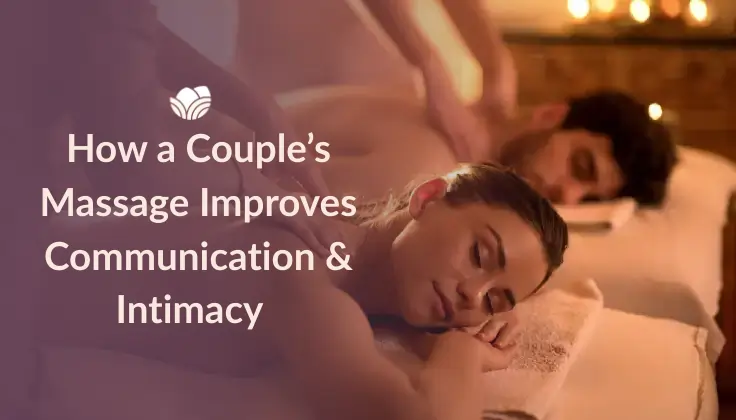
In every relationship, communication and intimacy are the two pillars that keep the bond strong. But in real life, these are also the first things to suffer when work pressure, responsibilities, screens, and daily stress take over. Couples don’t stop caring for each other. They simply stop pausing together, and that pause is important. It’s where conversations soften, tension melts, and closeness returns naturally. And this is exactly where a couple’s massage plays a powerful role.
A couple’s massage is not just about relaxation. It is about shared presence. It’s about slowing down together, feeling safe together, and reconnecting without words. At Tattva Spa, couples’ experiences are designed to support relationship wellness with spa rituals that bring partners closer emotionally, mentally, and physically.
Let’s explore how a couple’s massage helps improve communication, strengthen intimacy, and support long-term bonding between couples.
Why Modern Couples Struggle with Connection
Most couples today juggle multiple roles simultaneously: professionals, caregivers, planners, and problem-solvers. While love remains, quality time often gets replaced by logistical conversations.
“What’s for dinner?” “Did you pay the bill?” “We’ll talk later.” Over time, this creates emotional distance. Not because of lack of love, but because of lack of calm, shared moments.
Stress also affects how we communicate. When the body is tense, the mind becomes reactive. Conversations turn short. Emotions stay bottled up. Touch becomes limited. Intimacy feels forced instead of natural. A couple’s massage gently interrupts this cycle.
What Is a Couple’s Massage, Really?
A couple’s massage is a spa experience where two partners receive therapies simultaneously in the same room, in a calm and private setting. Each person has their own therapist, but the experience is shared.
At Tattva Spa, couple therapies are designed to:
- Create a peaceful, distraction-free environment.
- Encourage shared relaxation.
- Help partners reconnect through presence and touch.
- Offer a moment of calm away from daily noise.
It’s not about conversation during the massage. It’s about experiencing stillness together. And that stillness has a profound impact on how couples connect afterward.
How a Couple’s Massage Improves Communication
1. It Calms the Nervous System
Stress puts the body in fight-or-flight mode. In this state, communication becomes defensive and reactive. A massage activates the parasympathetic nervous system, which promotes relaxation. When both partners feel calm, conversations become softer, more patient, and more understanding.
After a couple’s massage, couples often notice that:
- They listen better
- They respond instead of reacting
- They feel emotionally open
Communication flows more naturally when the body feels safe.
2. It Creates a Shared Emotional Experience
Shared experiences strengthen bonds. A couple’s massage becomes a memory that belongs only to the two of you.
This shared calm creates:
- Emotional synchrony
- A sense of togetherness
- Deeper understanding without words
Sometimes, connection doesn’t need talking. It needs shared silence.
3. It Reduces Emotional Barriers
Stress and fatigue often build emotional walls. A massage helps release stored tension in the body, which in turn softens emotional resistance. When tension melts, couples feel more open to expressing thoughts, feelings, and needs after the session.
Couples Massage Benefits for Intimacy

Intimacy is not limited to physical closeness. It includes emotional safety, comfort, trust, and connection. A couple’s massage supports all these layers.
1. Encourages Healthy Touch
Touch is one of the most powerful forms of communication. Massage reminds the body how comforting and healing touch can be.
After a couple’s massage, partners often feel:
- More affectionate
- More present with each other
- More comfortable expressing closeness
This naturally strengthens intimacy.
2. Helps Couples Reconnect Physically
Daily stress causes muscle tension and fatigue, which reduces desire for closeness. Massage relaxes the body, improves circulation, and helps partners feel more comfortable in their own skin. A relaxed body is more receptive to intimacy.
3. Creates a Sense of Emotional Safety
When partners relax together in a calm environment, it builds trust. Emotional safety is the foundation of intimacy. When both partners feel cared for and calm, intimacy grows effortlessly.
Couple Bonding Through Spa Experiences
Couple bonding does not always need grand gestures. It thrives in simple moments of shared presence.
A spa experience allows couples to:
- Disconnect from screens
- Be present with each other
- Share calm energy
- Step out of routine
At Tattva Spa, the ambience itself supports bonding. Soft lighting, soothing aromas, and quiet spaces encourage couples to slow down and simply be together.
This creates a sense of “us” in the middle of busy lives.
Relationship Wellness with Spa Rituals
Wellness is not just individual. Relationships also need care and nourishment.
Spa rituals support relationship wellness by:
- Reducing individual stress
- Improving emotional regulation
- Encouraging empathy
- Creating space for connection
- Helping couples reset together
When partners take care of themselves together, the relationship grows stronger.
Best Couple Experiences at Tattva Spa
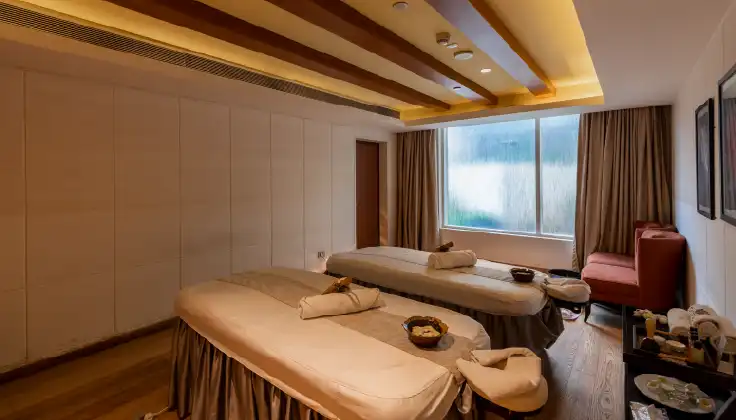
Tattva Spa offers couple-friendly therapies designed to relax, rejuvenate, and reconnect partners.
Couple Rejoice
A spa package that focuses on relaxation and bonding. Ideal for couples who want to unwind together and reconnect after a busy phase at the best price.
Swedish Massage for Couples
Gentle, flowing strokes that ease muscle tension and calm the mind. Perfect for first-time spa-goers.
Deep Tissue Massage for Couples
Ideal for couples dealing with stress-related muscle stiffness. It releases deeper tension and promotes relaxation.
Each experience allows couples to choose what suits their comfort and needs.
When Should Couples Consider a Couple’s Massage?
A couple’s massage is ideal:
- During stressful phases
- After long work weeks
- Before or after major life events
- As a monthly wellness ritual
- When communication feels strained
- When intimacy needs nurturing
It’s not a solution to problems. It’s a supportive space that makes solutions easier to reach.
What Couples Feel After the Experience
Most couples leave the spa feeling:
- More relaxed
- Emotionally lighter
- More connected
- Open to conversation
- Comfortable in silence
- Refreshed and aligned
Many couples even say they talk more deeply after the session without forcing it.
Making Couple Massage a Relationship Ritual
Consistency strengthens the connection. Making a couple spa sessions a regular part of your routine can:
- Prevent stress buildup
- Improve emotional understanding
- Strengthen physical closeness
- Support long-term relationship wellness
Even one session every month can make a noticeable difference.
FAQs
Q1. How often should couples take a couple’s massage?
Couples can benefit from a couple’s massage once a month. During stressful periods, sessions can be taken more frequently for relaxation and bonding.
Q2. What are the benefits of a couple’s massage for relationships?
It improves communication, strengthens intimacy, reduces stress, enhances emotional connection, and supports overall relationship wellness.
Q3. How do I choose the right couple’s massage experience?
Consider your comfort level, stress areas, and preference for pressure. Spa therapists can guide you toward the best option.
Q4. Is a couple’s massage suitable for new couples?
Yes. It’s a gentle way to build comfort, trust, and emotional connection in a calm and supportive environment.
Q5. Can couples talk during the massage?
Couples can choose to talk or remain silent. Many prefer quiet relaxation, which helps deepen the shared experience.
Standard Disclaimer: The information provided in this article is for general informational purposes only and should not be considered professional advice.
Popular Blogs