Login
Login
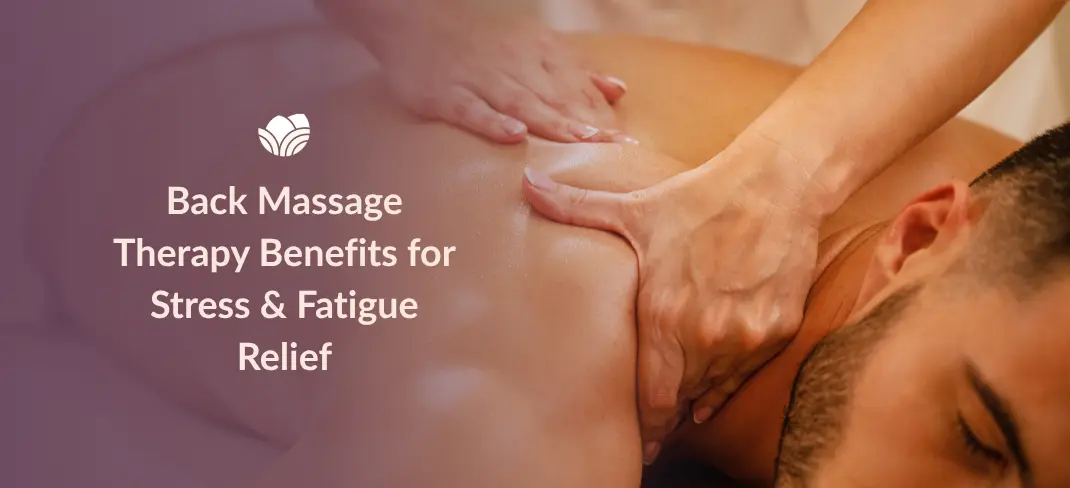
Back Massage Therapy Benefits for Stress & Fatigue Relief
Stress and fatigue often build up in the back long before we notice the discomfort. A professional back massage targets tense muscles, improves circulation, relieves stiffness, and promotes deep relaxation, making it one of the most effective ways to restore both physical comfort and mental well-being. Whether caused by long work hours, poor posture, or everyday stress, regular back massage therapy helps your body recover, improves mobility, and supports a healthier, more balanced lifestyle.
Most people don’t notice when stress begins affecting their back. It doesn’t happen overnight. It starts with a slight tightness between the shoulders after work. A stiff neck that takes longer to loosen in the morning. A lower back that feels uncomfortable after sitting through a meeting. These small signs are often ignored because they seem like a normal part of modern life. But your back is constantly responding to everything you do—or don’t do. Hours spent sitting at a desk, looking down at your phone, driving through traffic, lifting heavy objects, or even dealing with emotional stress can gradually create muscle tension that builds up over time. That’s why one of the most effective ways to relieve everyday stress and physical fatigue is through a professional back massage. More than just a relaxing experience, it is a targeted therapy designed to release tension, improve circulation, and restore comfort where your body needs it most.
Why Does Stress Always Seem to Settle in Your Back?
The back is one of the hardest-working parts of the body. It supports your spine, helps maintain posture, and allows you to perform almost every movement throughout the day. When you’re stressed, your muscles naturally tighten as part of the body’s “fight or flight” response. If the stress continues for days or weeks, those muscles may remain contracted for longer than they should. At the same time, long hours of sitting, poor posture, and limited movement place additional strain on the upper back, shoulders, and lower back. The result?
- Tight shoulders after work
- Persistent neck stiffness
- Muscle knots between the shoulder blades
- Lower back discomfort
- Reduced flexibility
- Constant physical fatigue
These aren’t just signs of being tired—they’re signals that your body needs recovery.
The Early Warning Signs Your Back Needs Attention

Many people wait until back pain becomes severe before seeking help. However, your body usually gives subtle warnings much earlier. You may benefit from a therapeutic back massage if you regularly experience:
- A heavy or tight feeling across your shoulders
- Stiffness after sitting for long periods
- Frequent headaches that begin around the neck
- Difficulty turning your head comfortably
- Soreness after driving or travelling
- An urge to constantly stretch your back
Addressing these symptoms early can help prevent everyday muscle tension from becoming a long-term problem.
What Happens During a Professional Back Massage?
A professional back massage at Tattva Spa is designed to release built-up tension from the neck, shoulders, upper back, and lower back using a combination of therapeutic massage techniques and acupressure. The treatment focuses on improving circulation, easing muscle stiffness, and restoring mobility while creating a deeply relaxing experience. Each session follows a structured sequence to ensure maximum comfort and therapeutic benefits.
Step 1: Tranquil Beginning
Your therapist begins the session by helping you settle into a comfortable position and guiding you through three deep breaths. This simple relaxation ritual helps calm the mind, relax the body, and prepare your muscles for the massage ahead.
Step 2: Upper Back and Shoulder Release
The massage starts with gentle acupressure techniques on the neck, shoulders, and upper back to relieve built-up tension. Light stretching and controlled arm-rolling movements further loosen tight muscles and improve flexibility in the shoulder region.
Step 3: Scapula and Lower Back Focus
The therapist then uses precise thumb and palm rotations along the shoulder blades (scapula) and lower back. These focused techniques help release muscle knots, reduce stiffness, stimulate blood circulation, and improve overall mobility.
Step 4: Namaste Sliding and Rhythmic Massage
Using Tattva Spa’s signature Namaste Sliding technique along with smooth rolling movements, the therapist works across the back with rhythmic strokes. This promotes relaxation, relieves muscular fatigue, and encourages a soothing flow of energy throughout the body.
Step 5: Knuckle Rotations and Gentle Hacking
The session concludes with gentle knuckle rotations and rhythmic hacking techniques that awaken tired muscles, enhance circulation, and leave your back feeling refreshed, lighter, and energized.
Why Your Back Feels Better After a Massage?

The benefits of massage go beyond temporary relaxation. Here’s what happens inside your body during a shoulder and back massage.
1. Improved Blood Flow
Tight muscles can reduce circulation, making them feel sore and fatigued. Massage encourages healthy blood flow, helping oxygen and nutrients reach tired muscles more efficiently.
2. Reduced Muscle Tension
Gentle pressure helps muscles gradually relax, easing stiffness and reducing discomfort caused by prolonged stress.
3. Better Posture Awareness
Massage doesn’t automatically correct poor posture, but it helps restore mobility by reducing muscle tightness. This makes it easier to sit, stand, and move with better alignment.
4. Lower Stress Levels
Massage activates the body’s relaxation response, helping reduce stress hormones while encouraging feelings of calm and well-being.
5. Improved Sleep Quality
When muscle tension decreases and the nervous system relaxes, many people find it easier to fall asleep and enjoy more restful sleep. These are just a few of the many back massage therapy benefits that make regular massage an important part of a healthy lifestyle.
Back Massage vs Full Body Massage: Which One Should You Choose?

While both treatments promote relaxation, they are designed for different purposes. A back pain massage spa treatment is ideal if your discomfort is concentrated in the back, neck, or shoulders. The therapist spends the entire session working on these problem areas, making it suitable for desk workers, frequent travellers, and individuals experiencing muscle tension. A full-body massage, on the other hand, provides a more comprehensive relaxation experience by addressing muscles throughout the entire body. It is often chosen by people looking for overall rejuvenation rather than targeted relief. If your main concern is back stiffness or shoulder pain, a focused back massage is usually the better choice.
Who Can Benefit Most from a Back Massage?
1. Office Professionals
Long hours at a desk often lead to rounded shoulders, neck stiffness, and lower back discomfort.
2. Frequent Travellers
Extended periods of sitting during flights or road journeys can leave muscles feeling tight and fatigued.
3. Fitness Enthusiasts
Intense workouts can cause muscle soreness that benefits from targeted recovery techniques.
4. People Experiencing Everyday Stress
Mental stress frequently manifests as physical tension in the shoulders and upper back, making massage an effective way to unwind.
How Often Should You Schedule a Back Massage?

The ideal frequency depends on your lifestyle and wellness goals.
- For chronic muscle tension: A weekly session may help manage persistent tightness.
- For regular maintenance: A massage every three to four weeks can support ongoing muscle health and relaxation.
- For high-stress lifestyles: Scheduling treatments before tension becomes overwhelming is often more effective than waiting until discomfort appears.
Consistency generally provides better long-term results than occasional treatments.
What Should You Tell Your Therapist Before the Session?
To receive the most effective treatment, it’s important to communicate openly with your therapist. Before your session, mention:
- Areas where you feel pain or stiffness
- Any previous injuries or surgeries
- Medical conditions affecting your muscles or joints
- Your preferred massage pressure
- Any areas you would like the therapist to avoid
This information allows the treatment to be tailored to your individual needs.
When Is Massage Not the Right Solution?
While massage is beneficial for everyday muscle tension, it is not a substitute for medical care. You should consult a healthcare professional if your back pain is accompanied by:
- Sudden severe pain after an accident
- Persistent numbness or tingling
- Muscle weakness
- Fever or unexplained swelling
- Pain that continues to worsen despite rest
A medical evaluation can help identify whether an underlying condition requires specific treatment.
Experience Professional Wellness at Tattva Spa
If you’re looking for a back massage spa that combines professional techniques with a calming wellness environment, Tattva Spa offers therapies designed to relieve everyday stress and muscle fatigue. Performed by trained therapists, each session is tailored to address areas of tension while helping you relax, recover, and feel refreshed. Whether you’re experiencing work-related stiffness, travel fatigue, or simply need time to unwind, a targeted back massage can be an effective step toward better physical and mental well-being.
Final Thoughts
Your back supports you every single day, yet it’s often the last part of your body to receive proper care. Ignoring the early signs of muscle tension can eventually affect your comfort, posture, sleep, and overall quality of life. A professional back massage isn’t just about feeling good for an hour—it’s about giving your body the recovery it needs to perform at its best. By making massage a regular part of your wellness routine, you can reduce stress, ease fatigue, and help your back stay healthier in the long run.
Frequently Asked Questions
1. My back feels tight after sitting all day, but I don’t have severe pain. Should I still get a back massage?
Absolutely. Muscle tightness is often an early sign of strain caused by prolonged sitting or poor posture. A professional back massage can help release built-up tension before it develops into persistent discomfort, making it a great preventive wellness practice rather than something reserved only for chronic pain.
2. Will a back massage actually help with stress, or is it only for muscle pain?
Stress and muscle tension are closely connected. When you’re stressed, your shoulders and back naturally tighten without you realizing it. A therapeutic back massage helps relax these muscles while calming the nervous system, allowing both your body and mind to feel lighter and more relaxed after the session.
3. I’m worried the massage pressure might be too strong. Can it be adjusted?
Yes. Every person’s comfort level is different, and a good therapist will always tailor the pressure to your preference. Whether you prefer a gentle relaxation massage or deeper muscle work, sharing your comfort level before the session ensures you have a safe and enjoyable experience.
4. How long do the benefits of a back massage usually last?
Many people feel immediate relief after their session, but the duration depends on your daily routine. If you spend long hours at a desk or have a physically demanding lifestyle, regular massages combined with good posture, stretching, and hydration can help maintain the benefits for much longer.
5. Can I book only a back massage, or should I choose a full-body massage instead?
If your discomfort is mainly around your neck, shoulders, or lower back, a focused back massage is often the better choice because the therapist spends more time addressing those areas. If you’re looking for complete relaxation and overall rejuvenation, a full-body massage may be more suitable.
Popular Blogs