Login
What Is Deep Tissue Massage? Benefits & Techniques
Deep tissue massage is a therapeutic technique that uses slow strokes and controlled pressure to target deeper layers of muscle and connective tissue. It may help ease muscular tightness and improve comfort for people with physically demanding routines, repetitive movements or desk-based work. The session is tailored to individual needs, with pressure adjusted according to comfort and the areas being addressed. Understanding the techniques, potential benefits and safety precautions can help you decide whether deep tissue massage is suitable for you.
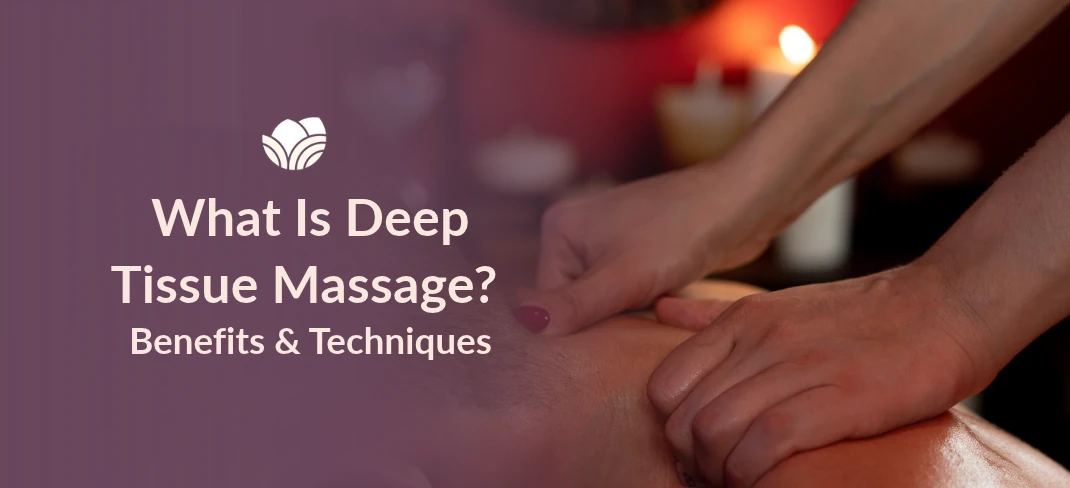
Long hours at work, repeated physical movements, and demanding workouts can leave certain muscle groups feeling tense and tired. Deep Tissue Massage uses slow, controlled strokes and focused pressure to target deeper muscle layers and the surrounding connective tissue. The technique suits those who prefer targeted muscle work rather than the gentler, flowing movements commonly associated with relaxation-focused massages. The pressure and techniques used depend on the area being worked on, the person’s comfort level and their reason for seeking a massage. Understanding how deep tissue massage works can help you decide whether it suits your needs and what to expect from a session.
What Is Deep Tissue Massage Therapy?
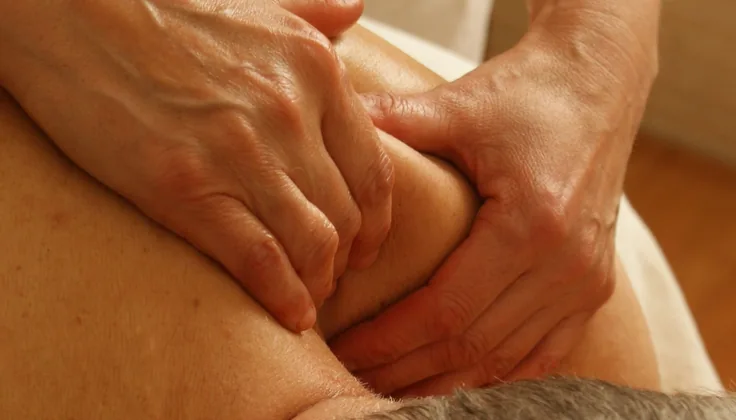
Deep tissue massage therapy uses sustained pressure and slow strokes to work on deeper layers of muscle and connective tissue. Therapists may use their fingers, thumbs, knuckles, hands or forearms to apply pressure to selected areas. The massage therapy may focus on persistent muscle tightness, restricted movement, or discomfort associated with repetitive physical activity. The therapist adjusts the pressure according to the person’s response rather than applying the same intensity throughout the session. Deep tissue massage is not simply a matter of pressing harder. The technique requires controlled movements, attention to muscle structure and communication between the therapist and the person receiving the treatment. It is also important to distinguish massage from medical treatment. Although massage may help some people manage muscular discomfort, it does not diagnose or cure underlying medical conditions.
How Does Deep Tissue Massage Work?
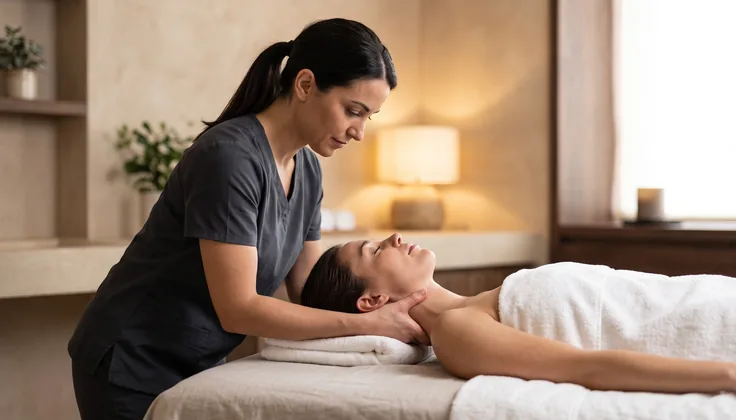
Muscles and connective tissues respond to physical pressure and movement. During a deep tissue massage, a therapist applies dedicated strokes and pressure to selected areas, working gradually according to the body’s response. The process generally involves three elements:
- Targeted pressure: The therapist concentrates on specific areas rather than using uniform strokes across the body.
- Slow movements: Controlled strokes allow the therapist to work gradually through areas of tension.
- Pressure adjustment: The therapist adjusts the intensity based on feedback and comfort of the guest. Some people experience temporary relief from muscle tightness or improved comfort when moving after a session. Responses may vary, and results might depend on individual circumstances. A Deep Tissue Massage should not cause sharp, burning or unbearable pain. Communicating discomfort during the treatment helps the therapist adjust the technique.
What Does Deep Pressure Actually Mean?
Deep pressure refers to the way a therapist applies force to a particular area. It does not mean that the massage must be painful or that greater pressure produces better results. The appropriate intensity depends on the muscle group, the person’s sensitivity, existing discomfort and treatment goals. Areas around the shoulders and back may respond differently from the forearms or legs. A useful distinction is between firm, manageable pressure and pain that makes the body tense or causes a person to pull away. Excessive pressure can increase discomfort and may cause bruising or tissue injury. If you are trying deep tissue massage for the first time, start with moderate pressure, and communicating throughout the session can help build a comfortable approach.
What Techniques Are Used in Deep Tissue Massage?
Therapists may combine several techniques depending on the area and the purpose of the session.
- Slow, firm strokes: These movements follow the direction of muscle fibres and help the therapist work methodically through selected areas.
- Sustained pressure: The therapist holds controlled pressure on a particular region for a short period, adjusting it according to comfort.
- Friction techniques: The therapist may use focused movements across muscle fibres to address specific areas of tightness.
- Targeted kneading: The therapist applies pressure and movement to selected muscle groups rather than treating the entire body with the same intensity.
Not every session uses all these techniques. The treatment approach should reflect the person’s needs, sensitivity and relevant health considerations.
Which Areas Are Commonly Focused on During Deep Tissue Massage?
The areas addressed during a session depend on where a person experiences muscular tension and what they want to prioritise.
- Neck and shoulders: Often selected by people who spend long periods working at a desk or using digital devices.
- Upper and lower back: May receive attention when repetitive movements or prolonged sitting contribute to muscular tightness.
- Legs and calves: Common areas of focus for people whose routines involve walking, standing or physical exercise.
- Arms and forearms: May be considered when work or sporting activities involve repeated arm movements.
- Hips and surrounding muscles: May be addressed when muscular tightness affects comfort during everyday movement.
Massage is not suitable for every type of pain. New, severe, or unexplained discomfort, swelling, numbness, or a recent injury should be assessed by a healthcare professional before considering a massage.
Deep Tissue Massage vs Relaxation Massage: What Is the Difference?
Both approaches use hands-on techniques, but they differ in focus and application.
| Feature | Deep Tissue Massage | Relaxation Massage |
|---|---|---|
| Primary focus | Specific areas of muscular tension | General relaxation and comfort |
| Pressure | Often firm and targeted, adjusted to tolerance | Usually gentle to moderate |
| Movement | Slow, focused strokes and sustained pressure | Commonly uses flowing, continuous strokes |
| Session approach | Concentrates on selected muscle groups | Often follows a broader, full-body approach |
| Typical preference | People seeking focused work on muscular tightness | People seeking rest and general relaxation |
Neither approach is automatically better than the other. The right choice depends on your preferences, comfort level and reason for booking a massage.
What Should You Expect Before and During a Deep Tissue Massage?
Before your appointment, consider the areas you want the therapist to focus on and whether you have any health concerns. Share information about recent injuries, surgery, pregnancy, medical conditions and medicines that may affect bruising or bleeding. During the consultation, explain whether your priority is a particular area of tightness, post-exercise discomfort, or general muscular fatigue. This helps the therapist understand your expectations. During the session, the therapist may begin with broader movements before applying more focused pressure. You should be able to communicate comfortably and ask for adjustments whenever needed. You do not need to tolerate pain to receive a deep tissue massage. If you experience sharp pain, tingling, numbness or unusual discomfort, tell the therapist immediately and stop the treatment if necessary.
Who May Consider Deep Tissue Massage?
Deep tissue massage may be worth considering for adults who experience muscular tightness associated with desk-based work, repetitive movements, physically demanding routines, or exercise. It may also appeal to people who prefer focused pressure over a general relaxation massage. However, the suitability of the treatment depends on individual health and the cause of the discomfort. Seek medical advice before booking if you have a bleeding disorder, a history of blood clots, significant osteoporosis, an acute injury, recent surgery or a condition that affects sensation or circulation. People taking blood-thinning medication should also discuss massage with their healthcare professional. Massage should not be used to delay an assessment when pain is persistent, worsening, or accompanied by other symptoms.
What Should You Expect After a Deep Tissue Massage?
After a session, you may feel relaxed or notice that certain movements feel more comfortable. Some people experience temporary tenderness or mild soreness, particularly after focused work on sensitive areas. Drink water and keep yourself hydrated, allow time to rest if you feel tired, and avoid activities that aggravate any soreness. A warm shower or gentle movement may feel comfortable, but do not force stretches or exercise through pain. Severe pain, substantial swelling, unusual weakness, persistent numbness, or symptoms that worsen after a massage require medical attention. There is no single frequency that suits everyone. Your schedule should reflect your response to treatment, personal goals and any advice from a qualified healthcare professional.
How to Choose a Deep Tissue Massage Near Me
When searching for a deep tissue massage near me, look beyond distance and price. The therapist’s training, consultation process, and willingness to adapt pressure are important factors. Before booking, consider the following:
- Therapist experience: Ask about training and experience with deep tissue techniques.
- Initial consultation: Check whether the provider asks about your health, injuries and treatment preferences.
- Pressure communication: Choose a setting where you can request adjustments throughout the session.
- Treatment duration: Confirm how much time is allocated to the massage itself.
- Safety practices: Make sure the provider explains relevant precautions and does not promise to cure medical conditions.
At Tattva Spa, guests can discuss their preferences and any concerns before beginning their deep tissue massage. A clear consultation helps establish expectations and supports a more informed treatment experience.
Conclusion
Deep tissue massage is a focused, hands-on technique that uses slow strokes and controlled pressure to work on selected muscles and connective tissues. It may help some people manage muscular tightness and improve comfort, but results vary, and it is not a replacement for medical care. At Tattva Spa, we focus on making deep tissue massage a considered experience through clear communication and attention to individual comfort. Whether you are considering a standalone session or a combined recovery experience, your needs, health, and tolerance for pressure should guide the treatment.
FAQs
Is deep tissue massage supposed to hurt?
Deep tissue massage may create a firm or intense sensation, but it should not cause sharp or unbearable pain. Tell the therapist if the pressure feels excessive. They can adjust the technique to suit your comfort. Pain is not a reliable measure of whether the treatment is effective.
How often should I get a deep tissue massage?
There is no universal schedule. Frequency depends on your goals, response to the treatment, and general health. Allow time to assess how your body feels after each session rather than booking repeated intensive treatments automatically. A qualified therapist or healthcare professional can help you determine an appropriate approach.
Can everyone receive a deep tissue massage?
No. Certain conditions, including bleeding disorders, history of blood clots, recent surgery, acute injuries, and some circulation problems, may make deep tissue massage unsuitable or require medical clearance. Share relevant health information before your appointment, and follow medical advice if you are unsure whether massage is appropriate.
What is the difference between deep tissue and sports massage?
Deep tissue massage focuses on specific areas of muscular tension using controlled pressure. Sports massage is generally tailored to the physical demands of sport and may include techniques selected around training, performance or recovery. Their methods can overlap, but the intended focus and session structure may differ.
Is deep tissue massage suitable after a workout?
It may be appropriate for some people experiencing muscular tightness after exercise, but timing and pressure matter. Avoid massage over an acute injury or significant swelling. Inform your therapist about your recent physical activity and seek medical advice if the pain is severe or unusual.
Popular Blogs