Login
Login
Workout After a Massage: How Long Should You Wait and Does It Matter?
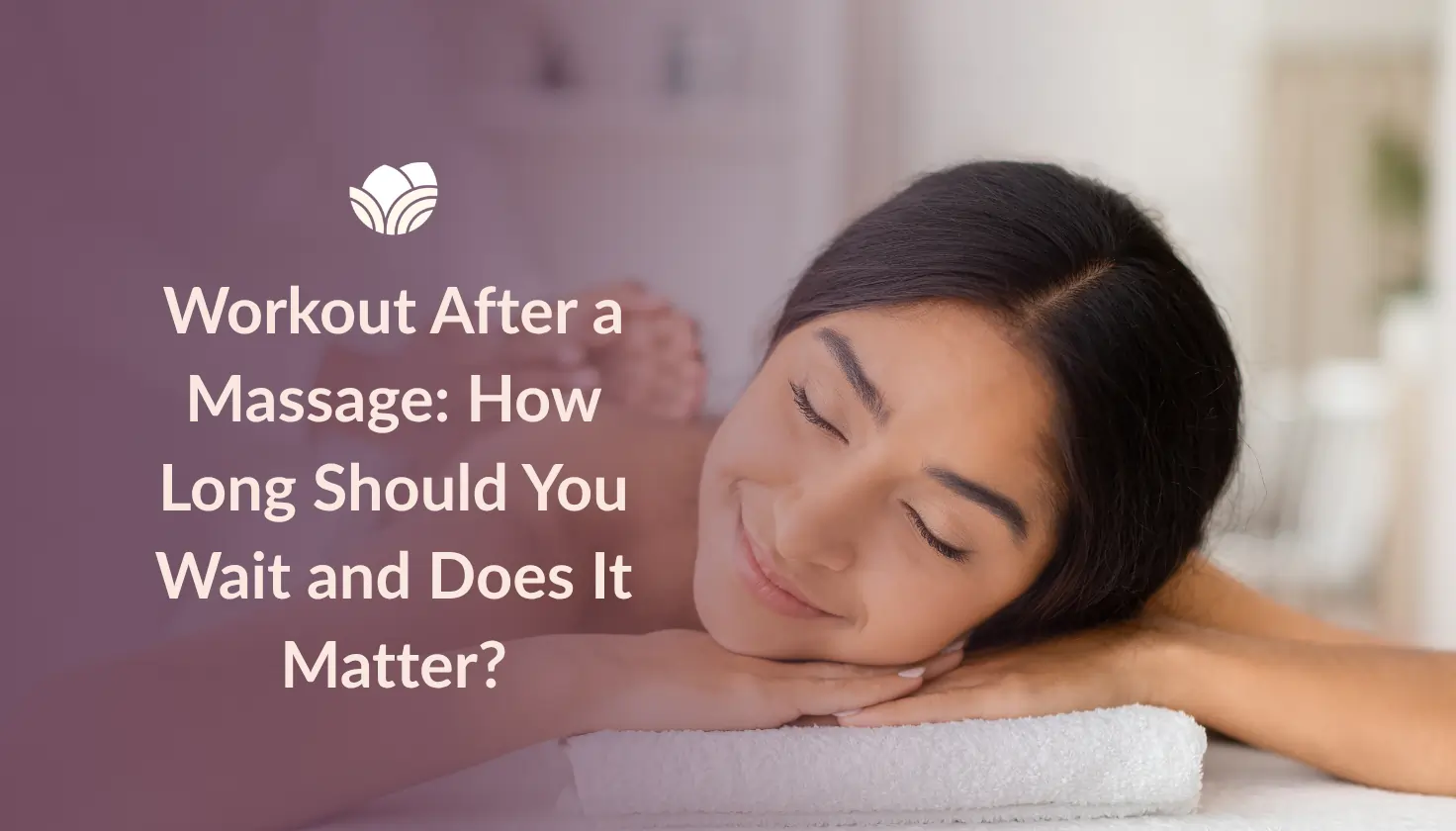
With fitness on the rise, one of the most common wellness questions today is whether it is safe to workout after a massage.
The confusion usually comes from mixed advice online. Some people claim that massages “loosen” the body for better performance. Others say the body should only rest afterwards. Both are partially correct, but neither tells the full story.
A massage changes circulation, muscle tension, hydration balance, nervous system activity, and tissue sensitivity. What happens next depends on how the body responds to those changes.
In many cases, exercising immediately after a massage is not dangerous, but it may not be the smartest recovery decision either. The more important question is not “Can you exercise after a massage?” but rather:
What kind of exercise, after what type of massage, and after how much recovery time?
What Actually Happens to the Body During a Massage?
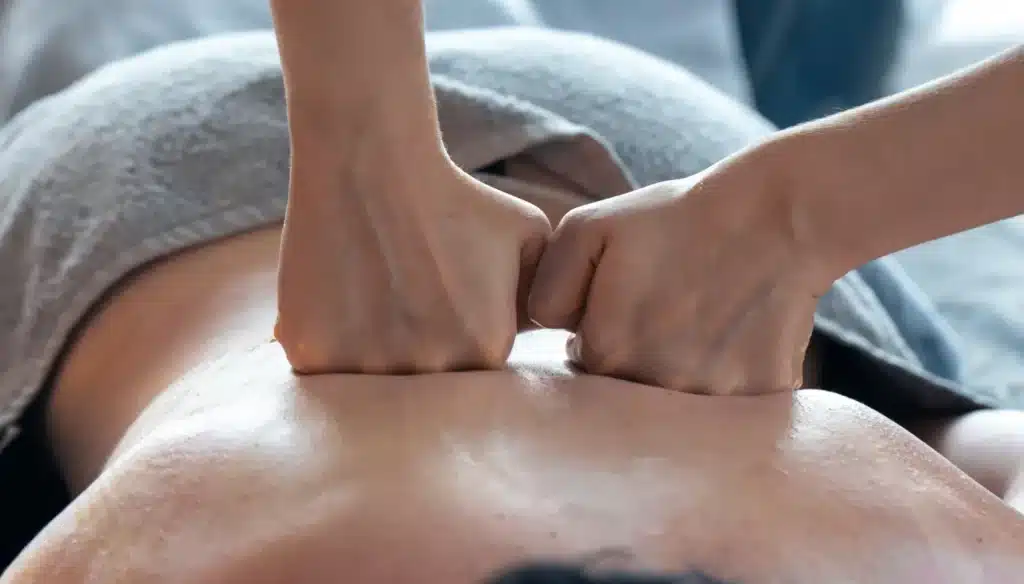
Massage therapy affects the muscular system, fascia, circulation, lymphatic drainage, and the nervous system simultaneously. Deep tissue work especially creates micro-level pressure changes within tight muscles and connective tissues.
Research published in the Journal of Alternative and Complementary Medicine found that massage therapy can reduce inflammatory signalling and improve mitochondrial recovery in muscles after physical exertion.
Another study from the American Massage Therapy Association reported that nearly 67% of people receive massages primarily for medical or stress-related reasons, not luxury alone. That shift is important because it changes how massages should be viewed. They are increasingly part of structured recovery routines rather than occasional indulgences.
After a massage, the body often enters a parasympathetic state, commonly called the “rest and recovery” mode. Heart rate slows slightly, muscles relax, circulation improves, and the nervous system becomes calmer. This is exactly why many people feel sleepy, lighter, or mentally quieter after a session.
Immediately forcing the body into intense training after this state can sometimes work against the recovery process.
Is It Okay to Workout After a Massage?
For most healthy individuals, engaging in light to moderate physical activity after a massage is generally considered acceptable, particularly when the session has been focused on relaxation, stress reduction, or improving circulation. Activities such as walking, gentle stretching, yoga, or low-intensity exercise are often well tolerated and may even help maintain the sense of mobility and relaxation achieved during the treatment.
However, more demanding forms of exercise, including heavy strength training, high-intensity interval training, intense cardiovascular sessions, or endurance-based workouts, may be better postponed for a short period following certain types of massage.
This is because massage techniques that involve deeper pressure can create temporary sensitivity within the muscles and surrounding soft tissues as they adapt to the release of accumulated tension.
When muscles have already undergone sustained manual pressure, stretching, and tissue manipulation, immediately subjecting them to heavy physical loads may increase the likelihood of post-treatment soreness, fatigue, or discomfort.
Allowing the body a brief period to recover can help maximise the benefits of the treatment while reducing unnecessary strain on tissues that may already be in the process of adapting and recovering. In these situations, the body benefits more from recovery-oriented movement instead of maximum exertion.
How Long to Wait After a Massage Before Exercising?
The answer largely depends on both the type of massage received and the intensity of the planned workout. Following a gentle relaxation massage focused primarily on reducing stress, improving circulation, and promoting overall well-being, many people can resume light physical activity within a few hours without concern. Activities such as walking, mobility exercises, gentle stretching, or yoga are often suitable in these situations.
The approach may differ, however, after deeper therapeutic treatments. Following sessions such as a Deep Tissue Massage or Sports Massage, many professionals recommend allowing approximately 12 to 24 hours before undertaking intense physical activity. If the treatment involves sustained pressure on tight muscle groups or if post-massage soreness is already noticeable, giving the body a full day to recover is often the more sensible choice.
One reason this is frequently overlooked is that deep therapeutic massage can have a significant effect on muscles and connective tissues despite leaving few visible signs on the body. Apart from mild tenderness or temporary soreness, there may be little outward indication that the tissues have undergone substantial manual work.
A simple guideline is to pay attention to how the body feels after the session. If muscles feel relaxed, mobile, and refreshed, light activity is usually appropriate. If the body feels tender, fatigued, or sensitive to movement, it is often a sign that recovery should continue before returning to demanding training sessions. Allowing adequate recovery time can help maximise the benefits of both the massage and subsequent exercise.
The Best Types of Post-Massage Activity
In fact, certain forms of post-massage activity can improve recovery significantly, and gentle movement helps maintain circulation without placing excessive stress on relaxed tissues.
Some good post-massage activity usually involves low-impact movement that keeps the body active without aggressively loading the muscles. Walking, light yoga, mobility work, stretching, easy swimming, low-resistance cycling, and breath-focused movement are often considered ideal because they support circulation while helping the body retain the benefits of muscular release.
On the other hand, intense physical activity immediately after deeper massages is generally not recommended. Heavy deadlifts, sprint training, long-distance running, intense CrossFit-style sessions, heavy leg workouts, and high-impact plyometric exercises can sometimes place excessive strain on tissues that are still recovering from deep muscular manipulation.
In most cases, the body performs better when massage therapy and intense workouts are separated strategically instead of being stacked back-to-back within the same recovery window.
Does Massage Improve Workout Recovery?
Massage therapy is increasingly used by athletes, runners, strength trainers, and physiotherapists because recovery quality directly affects performance quality.
According to a report published in the British Journal of Sports Medicine, recovery-focused therapies such as massage can help reduce delayed onset muscle soreness by nearly 30% compared to passive recovery alone.
What massage therapy does effectively is help create conditions that support better overall recovery. It can improve circulation, reduce muscular tightness, enhance movement quality, lower stress hormone levels, improve flexibility, and contribute to better sleep quality over time.
These effects collectively help the body recover more efficiently, especially when massage is combined with consistent wellness habits.
Poor sleep affects muscle recovery, hormone balance, and performance. Since massage therapy often improves relaxation and sleep quality, many athletes use it not for immediate strength gains but for improved recovery consistency over time.
Should You Workout Before a Massage Instead?
In many cases, scheduling a workout before a massage may be more beneficial than exercising afterwards. Following physical activity, muscles are often tighter, circulation is elevated, and the body’s natural recovery mechanisms have already been activated. Receiving a massage at this stage can help ease muscular stiffness, improve comfort, support circulation, and encourage more effective post-exercise recovery.
This sequence is often preferred by wellness and recovery professionals because it works in harmony with how the body naturally responds to physical exertion. Rather than asking recently treated muscles to immediately perform at a high level again, the massage becomes part of the recovery process itself, helping the body transition more comfortably from activity into rest and repair.
It is also important to consider the purpose of the massage. At Tattva Wellness Spa, many guests seek massage therapy to address travel fatigue, workplace stress, muscular tension from prolonged sitting, or general physical and mental exhaustion rather than to prepare for intensive athletic performance. In these situations, the goal is typically relaxation, recovery, and restoration rather than enhancing workout capacity.
Understanding the reason behind the treatment helps determine what activities are most appropriate afterwards and allows guests to gain the greatest benefit from both the massage experience and their overall wellbeing routine.
Signs You Should NOT Exercise After a Massage
Avoid intense exercise after a massage if the body shows signs that it still requires recovery time. Symptoms such as dizziness, heavy soreness, unusual fatigue, nausea, tender muscles, mild headaches, excessive sleepiness, or even a dehydrated feeling usually indicate that the nervous system and muscle tissues are still adjusting after the session.
In such situations, forcing the body into a high-intensity workout may increase strain rather than support recovery. Gentle movement, hydration, and rest are often far more beneficial until the body feels properly stabilised again.
These signs are not necessarily dangerous, but they indicate that the nervous system and muscles are still adjusting after treatment. Massage improves circulation and fluid movement, but insufficient water intake afterwards can contribute to headaches or fatigue. This becomes even more relevant if exercise is added immediately afterwards.
Can Massage Replace Recovery Days?
No, because massage therapy supports recovery and it does not replace it, and this is where wellness marketing sometimes becomes misleading.
A massage cannot compensate for chronic overtraining, poor sleep, bad nutrition, inadequate hydration, or a complete lack of rest days. Recovery works cumulatively, which means the body responds best when multiple recovery factors consistently support each other over time.
Massage therapy can certainly improve muscular relaxation and recovery quality, but it cannot fully offset the effects of an unsustainable lifestyle or continuous physical exhaustion.
People who see the best long-term benefits from massage are usually those who combine it with sustainable fitness habits rather than treating it as a shortcut solution.
Is It Better to Rest Completely After a Massage?
Not necessarily. Complete inactivity is rarely required after a massage unless the treatment has been particularly intensive or the body feels unusually fatigued afterwards. In most situations, the more effective approach is to focus on intelligent recovery rather than complete rest.
Gentle forms of movement can often complement the benefits of a massage without placing excessive demands on recently treated muscles. A relaxed evening walk, for example, may help maintain healthy circulation while allowing the body to continue recovering. Similarly, light stretching can support flexibility and mobility, helping muscles retain the sense of ease and range of motion achieved during the session.
Hydration also plays an important role in overall recovery, while adequate sleep gives the body the opportunity to perform many of its natural restorative processes more effectively. Together, these habits can help maximise the benefits of a massage while supporting overall wellbeing.
Making Massages a Wellness Gift
Instead of gifting products people may not use consistently, many now prefer experiences that support stress reduction, recovery, and self-care. This is a reason spa gifting has expanded rapidly across urban India, especially among working professionals dealing with sedentary lifestyles, screen fatigue, and inconsistent recovery habits.
For people juggling demanding work schedules, fitness goals, and everyday responsibilities, a wellness experience often feels far more thoughtful than a conventional gift. At Tattva Wellness Spa, customisable gift cards let you give something truly valuable — time to unwind, recover, and focus on personal wellbeing. Choose a wellness gift for a fitness enthusiast, a busy professional, or someone simply in need of a break, and give an experience that can be enjoyed long after the occasion has passed.
Final Thoughts
So, can you do a workout after a massage? The answer is yes, but context matters here in this case because a gentle session of movement after a massage is usually beneficial. Intense training immediately afterwards may not always be the smartest choice, especially after deep tissue or therapeutic work.
The real objective should not be squeezing maximum productivity from every hour of the day. It should be understood what the body actually needs.
Sometimes that means movement, and sometimes that means recovery.
And often, the people who progress best in fitness are not the ones training hardest every day, but the ones recovering intelligently enough to stay consistent for years.
Quick Questions Answered
Can I do a workout immediately after a massage?
It depends on the type of massage. After a gentle relaxation massage, light exercise such as walking or yoga is usually fine. However, after a deep tissue or sports massage, it is generally advisable to wait at least 12 to 24 hours before engaging in intense workouts.
How long should I wait after a massage before exercising?
For most people, gentle activity can resume within a few hours. If the massage involves deep pressure, trigger point work, or myofascial release, waiting a full day before heavy exercise is often the safest approach.
Is exercise after a massage beneficial?
Yes, provided the activity is low-impact. Walking, stretching, mobility exercises, and light yoga can help maintain circulation and support recovery without placing excessive strain on the muscles.
What exercises should I avoid after a massage?
It is best to avoid heavy weightlifting, sprinting, high-intensity interval training, long-distance running, and explosive plyometric exercises immediately after a deep tissue or therapeutic massage. These activities can increase soreness and reduce the recovery benefits of the treatment.
Does a massage help with muscle recovery after exercise?
Research suggests that massage therapy can help reduce muscle soreness, improve circulation, and support recovery processes. Many athletes use massage as part of their recovery routine because it may help them return to training feeling more refreshed and mobile.
Should I schedule my massage before or after a workout?
In many cases, scheduling a massage after a workout is more beneficial. Massage can help reduce post-exercise stiffness, support circulation, and encourage recovery. Exercising intensely immediately after a massage is generally less effective than using the massage as a recovery tool.
Can a massage replace rest days?
No. Massage is a valuable recovery aid, but it cannot replace adequate sleep, proper nutrition, hydration, and scheduled recovery days. The best results come when massage is combined with healthy recovery habits.
Popular Blogs