Login
Login
What Is Traditional Thai Yoga Massage? Benefits, Techniques & What to Expect
Traditional Thai Yoga Massage is a holistic wellness therapy that combines assisted stretching, rhythmic pressure, and mindful movement to improve flexibility, relieve muscle tension, and promote relaxation. Unlike conventional massages, it focuses on enhancing mobility and restoring balance through techniques rooted in traditional Thai bodywork, making it an ideal choice for those seeking both physical recovery and long-term well-being.
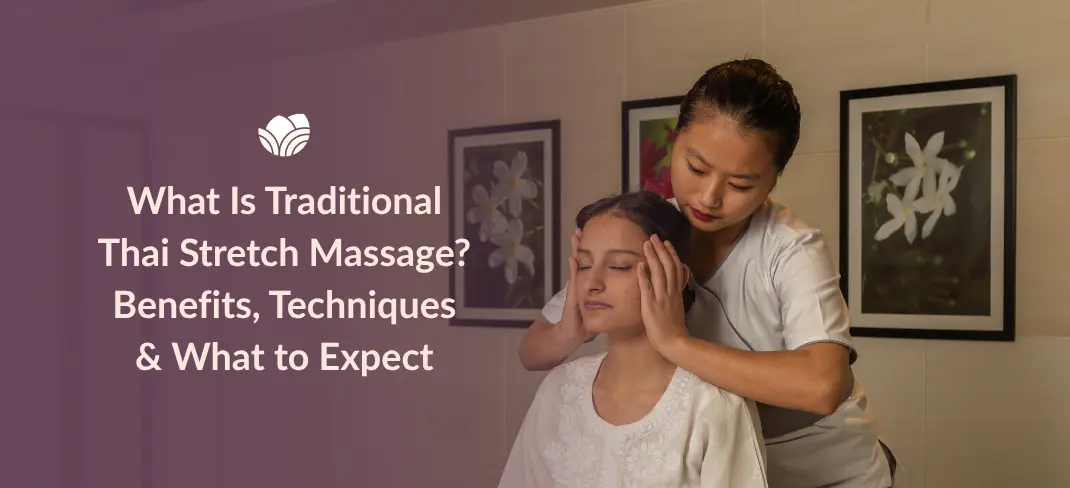
When most people hear the word “massage,” they imagine lying on a massage table while a therapist works on sore muscles using oils and gentle strokes. Traditional Thai Yoga Massage offers a completely different experience. Often described as “passive yoga” or Thai yoga massage, this centuries-old wellness practice combines assisted stretching, rhythmic compression, joint mobilization, and mindful bodywork to improve flexibility, release muscular tension, and restore balance throughout the body.
Rather than focusing only on relaxing muscles, this therapy encourages the body to move, lengthen, and recover naturally. It is this unique combination of movement and massage that has made traditional Thai therapy one of the world’s most respected holistic wellness practices. If you’ve been curious about Thai yoga massage, wondering about the Thai yoga massage benefits, or searching for a trusted Thai massage near me center, understanding how this therapy works can help you decide whether it is the right choice for your wellness journey.
A Therapy Rooted in Movement Rather Than Stillness
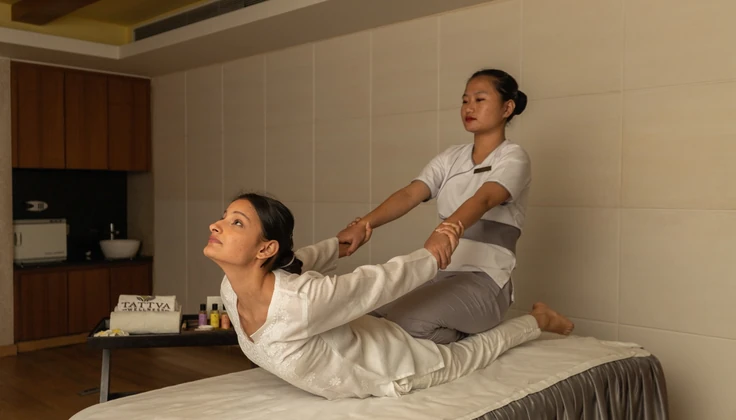
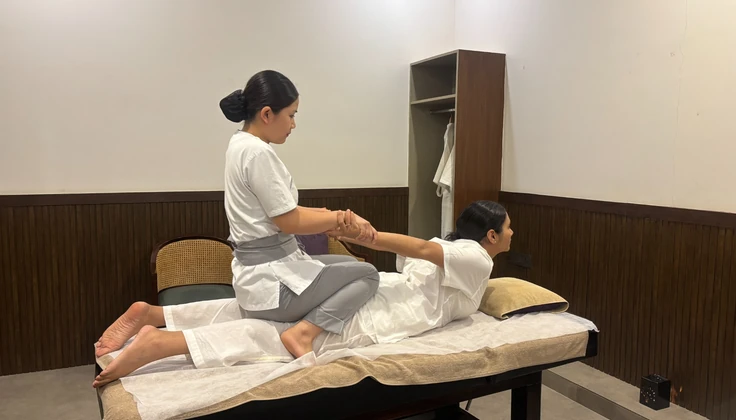
Unlike many Western massage techniques, Traditional Thai Yoga Massage doesn’t rely heavily on massage oils or continuous kneading. Instead, the therapist gently guides your body through a sequence of stretches while applying rhythmic pressure using their hands, elbows, forearms, knees, and sometimes even their feet. The result is a therapy that feels like a carefully choreographed combination of massage, stretching, and meditation. For this reason, many wellness professionals refer to it as Thai Yoga massage, highlighting its emphasis on improving mobility alongside relaxation.
The Ancient Origins of Traditional Thai Bodywork
The history of traditional Thai bodywork dates back more than 2,500 years and is believed to have been influenced by Ayurvedic medicine, Buddhist philosophy, and traditional healing practices from Southeast Asia. Unlike therapies designed purely for relaxation, Thai massage was developed to support overall physical balance by improving the body’s natural movement and energy flow.
Traditional practitioners believe that the body contains invisible energy pathways known as “Sen” lines. Gentle pressure and assisted stretches are used to encourage the smooth flow of energy through these pathways while easing muscular tension. Whether or not one follows these traditional concepts, many people appreciate Thai massage for its ability to improve flexibility, reduce stiffness, and promote deep relaxation.
How Is Thai Yoga Massage Different from Other Massage Therapies?
Many first-time visitors expect a Thai massage to resemble Swedish or Deep Tissue Massage. However, the experience is quite different.
1) No Massage Oil
Unlike oil-based therapies, Thai massage is usually performed on a comfortable floor mattress while the client remains fully clothed in loose, comfortable attire. This allows the therapist to move your body safely through various stretching techniques.
2) Your Body Is Actively Moved
Instead of remaining completely still, your therapist gently guides your arms, legs, hips, shoulders, and spine through carefully controlled movements. These stretches are always adapted to your comfort level and flexibility.
3) Compression Replaces Continuous Kneading
Rather than relying only on long massage strokes, the therapist applies rhythmic pressure across different muscle groups to encourage relaxation and improve circulation. The result is a treatment that feels both energizing and deeply restorative.
What Happens During a Thai Yoga Massage Session?
If you’re experiencing yoga massage therapy for the first time, it’s natural to wonder what to expect. A typical session begins with a brief discussion about your comfort levels, areas of stiffness, previous injuries, and wellness goals. As the therapy progresses, the therapist combines several techniques, including:
1) Assisted Stretching
Gentle stretches help lengthen muscles and improve joint mobility without requiring any physical effort from you.
2) Rhythmic Acupressure
Firm yet comfortable pressure is applied along specific muscle groups to encourage relaxation and ease tension.
3) Joint Mobilization
Slow, controlled movements improve flexibility and help reduce stiffness caused by prolonged sitting or repetitive activities.
4) Mindful Breathing
Many therapists encourage calm, steady breathing throughout the session, allowing the body to relax naturally while stretches become more effective. The overall experience feels less like a traditional massage and more like a guided wellness practice.
Thai Yoga Massage Benefits Beyond Relaxation
One reason this therapy continues to gain popularity is that its effects often extend beyond temporary relaxation. Some of the most commonly experienced Thai yoga massage benefits include:
1) Improved Flexibility
Regular stretching helps increase joint mobility and muscle elasticity, making everyday movements feel easier and more comfortable.
2) Better Posture
Many people spend hours sitting at desks or looking at digital devices. Thai massage helps release tight muscles that contribute to poor posture and restricted movement.
3) Reduced Muscle Stiffness
The combination of stretching and compression may help relieve tension caused by long working hours, travel, or physical activity.
4) Enhanced Circulation
Rhythmic pressure techniques encourage healthy blood flow, supporting the body’s natural recovery processes.
5) Mental Relaxation
The slow pace of the therapy encourages mindfulness, helping many people feel calmer and mentally refreshed after the session.
Who Can Benefit Most from Thai Yoga Massage?
This therapy is particularly suitable for people whose daily routines limit natural movement. It may be beneficial for:
- Office professionals experiencing neck and back stiffness
- Frequent travellers recovering from long journeys
- Fitness enthusiasts seeking improved flexibility
- Individuals with sedentary lifestyles
- Anyone looking to reduce physical tension while improving mobility
Because every session is personalized, therapists can adjust stretches according to an individual’s flexibility and comfort.
Is Thai Massage Painful?
One of the biggest misconceptions about Thai massage is that it must be painful to be effective. In reality, a professional therapist works within your body’s natural range of movement. Some stretches may feel intense, especially if your muscles are particularly tight, but the goal is never to cause pain. Good communication throughout the session ensures that pressure and stretching remain comfortable.
How Does Thai Massage Compare with Yoga?
People often ask whether Thai yoga massage can replace yoga practice. The answer is not exactly. Yoga requires active participation, balance, and muscular engagement. Thai massage, on the other hand, provides many similar stretching movements while allowing the therapist to guide your body throughout the process. For this reason, it is sometimes called “lazy yoga” or passive yoga, although the therapy itself is rooted in much deeper traditional healing practices.
Choosing the Right Place for Thai Massage
If you’re searching online for Thai massage near me, look beyond convenience alone. A quality wellness centre should offer:
- Professionally trained therapists
- Hygienic treatment rooms
- Personalized consultation
- Authentic therapy techniques
- A calm and relaxing environment
These factors contribute significantly to both safety and the overall effectiveness of the therapy.
Experience Authentic Thai-Inspired Wellness at Tattva Spa
At Tattva Spa, wellness therapies are thoughtfully designed to help guests restore physical balance and mental relaxation. For those interested in stretching-based therapies, professionally delivered sessions combine traditional wellness principles with personalized care, ensuring that each guest enjoys a safe, comfortable, and rejuvenating experience. Whether you’re exploring traditional Thai bodywork for the first time or looking to experience the benefits of Thai yoga massage, choosing experienced therapists can make all the difference.
Final Thoughts
Traditional Thai Yoga Massage is much more than a massage—it is a movement-based wellness practice that encourages flexibility, relaxation, and mindful recovery. Its unique combination of assisted stretching, rhythmic pressure, and holistic techniques has allowed it to remain relevant for centuries. Whether your goal is to improve mobility, reduce muscular tension, or simply experience a different approach to wellness, Thai yoga massage offers a refreshing alternative to conventional massage therapies. As more people embrace movement as an essential part of self-care, this timeless therapy continues to demonstrate why sometimes the best way to relax is not by doing less—but by allowing your body to move better.
Frequently Asked Questions
1. I’ve never tried a Thai Yoga Massage before. Will it be too intense for me?
Not at all. A professional Thai Yoga Massage session is tailored to your flexibility and comfort level. The therapist gently guides your body through assisted stretches without forcing any movement. If you’re new to this therapy, simply let your therapist know, and the session will be adjusted to suit your needs.
2. Is Thai Massage only for people who are flexible or practice yoga regularly?
This is one of the biggest misconceptions. You don’t need to be flexible or have yoga experience to enjoy Thai yoga massage benefits. The therapist performs the stretches for you, making the therapy suitable for beginners, office workers, seniors, and anyone experiencing stiffness or reduced mobility.
3. What should I wear during a Thai assisted stretching massage session?
Unlike oil-based massages, a Thai assisted stretching massage is usually performed while you’re fully clothed in loose, comfortable attire that allows easy movement. Many spas also provide suitable clothing before the session, ensuring you can comfortably experience the stretches and bodywork techniques.
4. How is traditional Thai bodywork different from a regular Deep Tissue or Swedish Massage?
While Swedish and Deep Tissue massages mainly focus on muscle relaxation, traditional Thai bodywork combines stretching, acupressure, and joint mobilization to improve flexibility and movement. Instead of simply helping you relax, it also works on enhancing mobility and reducing stiffness throughout the body.
5. I’m searching for a Thai massage near me. How do I know if I’m choosing the right spa?
Don’t choose a spa based only on location or pricing. Look for professionally trained therapists, authentic therapy techniques, hygienic treatment rooms, personalized consultations, and positive customer reviews. A quality wellness spa will always prioritize your comfort, safety, and overall experience over rushing through the session.
Popular Blogs