Login
Employee Wellness Program: A Complete Guide for Companies
An employee wellness program is a structured workplace initiative that supports employees’ physical, mental, and overall well-being through relevant activities, benefits, resources, and supportive workplace practices. A well-designed corporate wellness program should reflect the needs of the workforce and can include health initiatives, stress-management activities, movement and relaxation sessions, wellness workshops, and accessible employee benefits. For companies, the most effective approach is to make wellness practical and relevant to everyday working life. Tattva Wellness supports this through workplace wellness sessions, corporate wellness workshops, event-based wellness experiences, and employee wellness benefits that give organisations different ways to integrate well-being into their workplace culture.
A company can have good policies, competitive salaries, and a comfortable office, yet employees may still struggle with stress, fatigue, physical discomfort, or difficulty maintaining healthy routines. A wellness programme is not simply an occasional yoga class or a health camp. It is a structured approach to creating healthier working conditions and giving employees meaningful support for their physical and mental well-being. The World Health Organization also takes a broad view of workplace health, covering physical, mental and social well-being rather than treating health as the absence of illness alone. For companies considering their first employee wellness program, understanding what makes such a programme useful is more important than choosing activities simply because they are popular.
What Is an Employee Wellness Program?

An employee wellness programme is a planned set of initiatives, benefits, workplace practices and activities intended to support employees’ health and well-being. The CDC recommends that workplace health programmes consider the specific employee population, working environment, organisational culture and health goals rather than applying the same solution to every workplace. That distinction matters. A technology company with employees spending most of their day at computers may have different wellness requirements from a manufacturing organisation or a sales team that spends much of its time travelling. An effective programme starts with those differences.
Why Employee Wellness Matters for Companies
A workplace can influence health in both visible and less obvious ways. Long periods of sitting, repetitive computer use, demanding schedules, insufficient movement and work-related stress can affect how employees feel during the working day. At the same time, organisational factors such as workload, management practices and workplace culture can influence mental well-being. WHO recommends workplace approaches that address both individual and organisational factors. For employers, the value extends beyond employee health. Workplace health initiatives can support morale, productivity, attendance, recruitment and retention when they are thoughtfully designed and implemented. The objective, however, should not be to turn wellness into another productivity metric. Employees are more likely to engage with programmes that feel relevant, accessible and genuinely supportive.
What Should an Employee Wellness Program Include?
A well-rounded employee wellness program can combine several areas depending on the workforce.
1. Physical Well-Being
This may include movement sessions, ergonomic awareness, health education, fitness activities and interventions that address physical discomfort associated with particular types of work.
2. Mental Well-Being
Stress-management resources, mental health education, mindfulness activities and access to appropriate support can form part of this area.
3. Healthy Workplace Practices
Wellness also needs to exist beyond scheduled activities. Reasonable work practices, supportive management, appropriate physical environments, and opportunities for employees to participate in decisions affecting their well-being all contribute to healthier workplaces.
Different Types of Corporate Wellness Initiatives
A corporate wellness program can take several forms. Some initiatives are built into the workplace itself. Others are offered as employee benefits that people can use independently. A company could provide:
- Workplace wellness sessions
- Health and fitness activities
- Mental well-being workshops
- Ergonomic education
- Wellness experiences
- Employee wellness vouchers or gift cards
- Wellness activities during conferences and corporate events
The format should reflect the workforce. An organisation with 500 employees in one office may be able to conduct an on-site programme efficiently. A company with teams across multiple cities may find individual wellness benefits more practical.
How Massage Can Support Workplace Wellness
Massage should not be presented as a complete solution to workplace stress. It is better understood as one practical component of a wider programme. For employees who spend long hours working at desks, targeted therapies can provide an opportunity to step away from the workstation and address areas commonly affected by prolonged sitting or screen-based work. Our wellness offerings include focused options such as Head Massage, Back Massage and Foot Reflexology, alongside therapies such as Swedish and Deep Tissue Massage. This allows companies to provide employees with different forms of physical relaxation rather than assuming that one treatment will suit everyone. Our Yoga Stretch enhancement is another example. It uses stretching and traction techniques with an upper- or lower-body focus, making it relevant when the objective is to introduce movement and release muscular tightness rather than provide a conventional massage. The important consideration is suitability. Wellness activities should complement, not replace, appropriate medical or occupational health support.
Choosing Between On-Site and Off-Site Wellness Approaches
1. On-Site Wellness
Bringing wellness into the workplace removes one of the biggest barriers to participation: travel. Our Wellness Wednesday at your Office programme is designed around this principle. We set up a spa kiosk at the workplace, with sessions that can address common concerns such as headaches, shoulder discomfort and stress. Companies can select sessions between two and six hours and choose the number of therapists required. This format works particularly well for employee wellness days, workplace appreciation initiatives and teams that want wellness to become part of the working environment.
2. Off-Site Wellness
Off-site programmes give employees greater flexibility. Our R&R Spa Gift Cards allow companies to provide employees with access to eligible wellness services at participating Tattva locations across India. Corporate orders can be made through physical or electronic gift cards, with the standard validity being six months. For employees working in different locations or following different schedules, this can be a more practical format.
How to Build an Employee Wellness Program
The strongest programmes are built around need rather than novelty.
1. Start With the Workforce
Understand what employees actually experience. Is the primary concern physical strain, stress, lack of movement, or difficulty accessing wellness resources?
2. Set a Clear Objective
A programme should have a defined purpose. This could be encouraging movement, creating opportunities for relaxation, supporting mental well-being or improving access to wellness benefits.
3. Choose an Appropriate Format
Decide whether employees would benefit more from workplace sessions, individual benefits, workshops or a combination.
4. Make Participation Easy
A programme that is difficult to access will struggle to achieve meaningful participation. Scheduling, location, communication and privacy should all be considered.
5. Review the Results
The CDC recommends evaluating workplace health programmes to understand their effectiveness, sustainability, resource use and areas for improvement.
How Should Companies Measure Effectiveness?
Attendance is only one measure. Companies can also examine:
- Participation rates
- Repeat participation
- Employee feedback
- Satisfaction scores
- Wellness benefit utilisation
- Absenteeism patterns
- Employee engagement indicators
The measurements should reflect the original objective. If a programme was created to improve access to stress-relief activities, employee participation and feedback may be more useful initial indicators than trying to attribute changes in company-wide productivity directly to one intervention.
Corporate Wellness Programs With Tattva Wellness
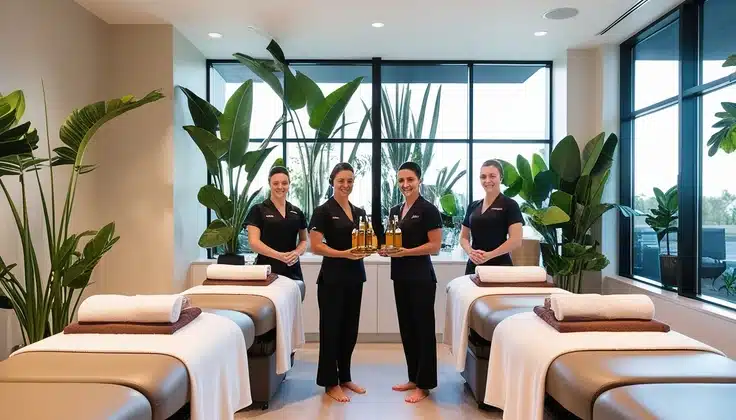
Our approach to corporate wellness is built around giving organisations different ways to introduce wellness into employee experiences. Our Wellness Wednesday at your Office brings focused wellness sessions directly into the workplace. Wellness at MICE extends this approach to Meetings, Incentives, Conferences and Exhibitions, with two-to-six-hour sessions designed around the needs of attendees. We also offer Wellness Workshops, where our team creates a wellness setting at the company’s venue. These sessions can include focused therapies alongside activities such as sound bath therapy, reiki and doodle art, allowing companies to create a broader wellness experience rather than limiting the programme to massage. For companies looking for an individual benefit, our R&R Spa Gift Cards provide another option, allowing employees to use their wellness benefit at participating locations across India. This range is useful because employee wellness does not have to follow one format.
Final Thoughts
A meaningful employee wellness program begins with a simple principle: understand the people before choosing the programme. For one organisation, that may mean bringing focused relaxation sessions into the office. For another, it may mean giving employees the freedom to choose their own wellness experience. A corporate conference may call for a short intervention, while a larger organisation may benefit from combining several approaches. The goal is not to fill the calendar with wellness activities. It is to create practical opportunities for employees to look after themselves within the realities of working life. That is what turns a wellness initiative into a sustainable part of workplace culture.
FAQs
1. What is an employee wellness program?
An employee wellness program is a structured workplace initiative that supports employees’ physical, mental and overall well-being through activities, benefits, resources and supportive workplace practices.
2. What can a corporate wellness program include?
A corporate wellness program can include physical wellness activities, mental well-being initiatives, ergonomic education, health resources, workplace wellness sessions, workshops and employee wellness benefits.
3. Can massage be included in an employee wellness program?
Yes. Massage can be used as one component of a broader programme, particularly where employees experience physical tension associated with prolonged sitting, computer work or demanding schedules.
4. Can wellness programmes be conducted inside an office?
Yes. Our Wellness Wednesday programme brings a spa kiosk to the workplace and offers focused wellness sessions. Sessions can be arranged for two to six hours depending on the organisation’s requirements.
5. What is the difference between on-site and off-site employee wellness?
On-site wellness brings activities directly to the workplace, while off-site programmes allow employees to access wellness services at an external location according to their own schedule.
Popular Blogs