Login
Login
How Yoga Stretch Can Improve Flexibility, Posture, and Relaxation?
Yoga Stretch Therapy is a guided wellness treatment that combines assisted stretching, mindful breathing, and yoga-inspired movements to improve flexibility, posture, and overall relaxation. Unlike traditional stretching or massage, the therapist gently moves your body through controlled stretches that target tight muscles, improve joint mobility, and restore natural movement patterns. The therapy helps reduce muscle stiffness caused by prolonged sitting, repetitive activities, or intense workouts while encouraging better posture and a greater range of motion. By combining breathwork with assisted stretching, it also calms the nervous system, making it an effective treatment for both physical recovery and mental relaxation, regardless of your age or fitness level.
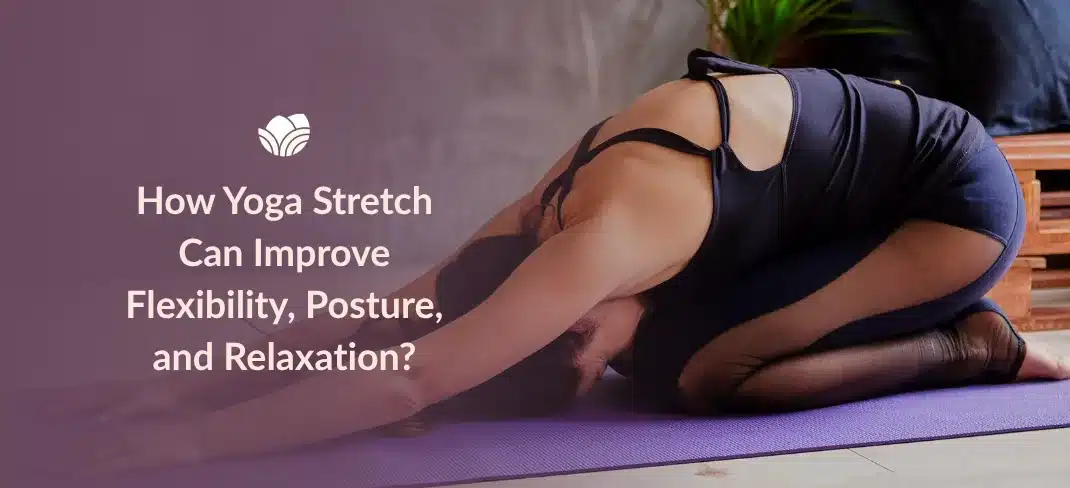
You don’t have to be an athlete or a yoga enthusiast to experience tight muscles, poor posture, or reduced flexibility. Sometimes, the biggest culprit is simply everyday life. Hours spent sitting at a desk, driving, looking down at a phone, or repeating the same movements can gradually limit your body’s natural range of motion. Many people assume that stretching for a few minutes at home is enough to improve flexibility. While regular stretching certainly helps, it isn’t always enough to address long-standing muscle tightness or movement restrictions. That’s where a yoga stretch spa treatment offers a different approach.
Unlike a traditional massage that focuses primarily on muscle relaxation, or a yoga class where you’re responsible for performing every pose yourself, yoga stretching therapy combines guided stretching, breathwork, and assisted body positioning to help improve mobility, posture, and overall relaxation. Let’s understand how this therapy works and why it’s becoming an essential part of modern wellness.
What Is a Yoga Stretch Treatment?
A yoga stretch treatment is a practitioner-guided therapy inspired by traditional yoga principles and modern assisted stretching techniques. During the session, a trained therapist gently moves your body through a series of carefully controlled stretches while encouraging slow, mindful breathing. Because the stretches are assisted, your body is able to reach positions that may be difficult to achieve on your own. This allows muscles and connective tissues to lengthen gradually without unnecessary strain. Unlike attending a yoga class, there is no need to balance in poses or remember sequences. Similarly, while massage therapy primarily uses pressure and kneading techniques to relax muscles, an assisted yoga stretch spa focuses on improving movement patterns, flexibility, and body alignment through guided stretching. The result is a treatment that feels both restorative and deeply relaxing.
What to Expect During Tattva Spa’s Signature Tattva Massage?
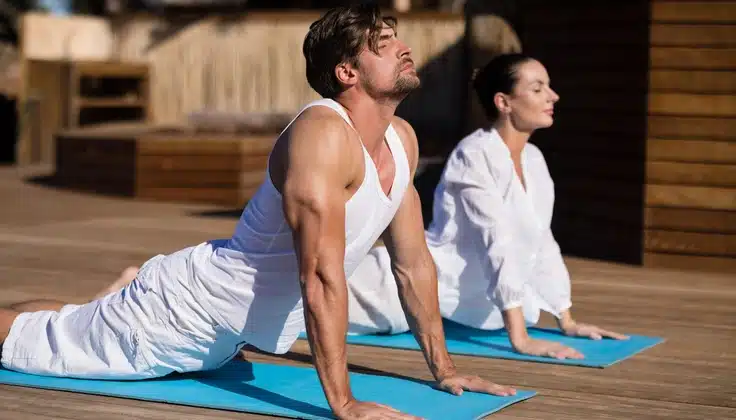
At Tattva Spa, the Signature Tattva Massage is thoughtfully designed to combine traditional massage techniques with assisted yoga stretches, acupressure, rhythmic movements, and deep relaxation. The 90-minute therapy is personalized to help ease muscular tension, improve flexibility, and restore physical and mental balance.
Step 1: Personalized Wellness Consultation
Every session begins with a brief consultation where your therapist understands your lifestyle, stress levels, muscle stiffness, pressure preferences, and any areas requiring special attention. This allows the massage to be tailored to your body’s needs.
Step 2: Gentle Muscle Warm-Up
The treatment starts with smooth massage strokes using aromatic massage oil to warm the muscles, improve circulation, and prepare the body for deeper therapeutic work.
Step 3: Signature Tattva Massage Techniques
Your therapist then performs Tattva Spa’s signature massage sequence using a blend of long gliding strokes, rhythmic kneading, acupressure techniques, and controlled pressure to release deep-seated muscle tension and encourage complete relaxation.
Step 4: Assisted Yoga Stretch Therapy
One of the highlights of the Signature Tattva Massage is the inclusion of gentle assisted yoga stretches. These carefully guided stretches help improve flexibility, increase joint mobility, reduce stiffness, and encourage better posture without requiring any physical effort from you.
Step 5: Targeted Pressure Point Therapy
Special attention is given to areas that commonly hold stress, including the neck, shoulders, back, hips, and legs. Controlled pressure helps release muscular knots while improving blood circulation throughout the body.
Step 6: Mindful Breathing and Relaxation
Throughout the treatment, your therapist encourages slow, controlled breathing that works in harmony with the massage and stretches. This helps calm the nervous system, reduce stress hormones, and promote deeper relaxation.
Step 7: Restorative Finish
The session concludes with calming massage techniques that allow your body to absorb the benefits of the therapy, leaving you feeling lighter, refreshed, and completely rejuvenated.
How Can Yoga Stretch Therapy Improve Your Body?
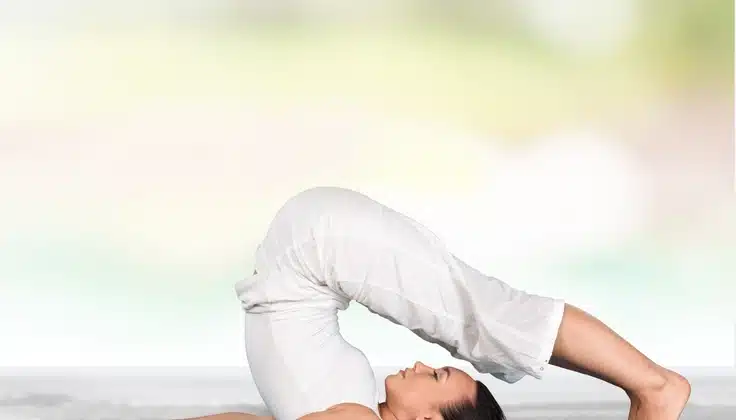
One of the biggest advantages of an assisted stretching massage is that it addresses more than just flexibility.
1. Improves Flexibility and Range of Motion
Over time, muscles naturally shorten when they aren’t regularly moved through their full range. Guided stretching gradually helps lengthen these muscles, making everyday movements feel smoother and more comfortable. Improved flexibility also supports better movement during walking, exercising, climbing stairs, or even bending to pick up objects.
2. Relieves Deep Muscle Tightness
Stress, repetitive movements, and prolonged sitting often create tension that ordinary stretching cannot fully address. By targeting deeper muscle groups through assisted movements, the therapy helps release tightness that may have built up over months or even years.
3. Supports Better Posture
Poor posture is one of the most common consequences of modern lifestyles. Rounded shoulders, tight chest muscles, forward head posture, and stiff hips often develop after spending long hours sitting at a desk. A flexibility spa treatment helps restore balance by opening tight muscle groups while improving joint mobility. Over time, this can support healthier posture and reduce discomfort associated with prolonged sitting.
4. Helps Reduce the Risk of Injury
Restricted muscles often force other parts of the body to compensate, increasing the likelihood of strains and overuse injuries. Athletes and fitness enthusiasts frequently include assisted stretching in their recovery routine because improved flexibility allows joints and muscles to move more efficiently during physical activity.
5. Encourages Deep Relaxation
Unlike vigorous exercise, yoga stretch therapy combines slow movements with controlled breathing. This encourages the parasympathetic nervous system—often called the body’s “rest and recovery” mode—to become more active, helping reduce physical tension and mental stress. Many people describe feeling lighter, calmer, and mentally refreshed after a session.
6. Strengthens the Mind-Body Connection
Modern life often keeps our attention focused outward—on deadlines, notifications, and responsibilities. A guided stretching session encourages awareness of breathing, movement, and physical sensations, helping reconnect the mind with the body in a calm and mindful way.
Who Can Benefit from Yoga Stretch Therapy?
One of the greatest strengths of yoga stretch therapy is that it can be adapted to suit different lifestyles and fitness levels. It may be particularly beneficial for:
1. Desk Professionals
Long hours of sitting often lead to tight hips, stiff shoulders, neck pain, and poor posture.
2. Athletes and Gym-Goers
Regular stretching supports muscle recovery, improves mobility, and helps reduce injury risk between workouts.
3. Yoga Practitioners
Even experienced yoga practitioners may benefit from assisted stretches that help deepen flexibility and improve alignment.
4. Frequent Travellers
Long flights and extended travel often create stiffness throughout the hips, lower back, and legs.
5. Anyone Experiencing Everyday Muscle Tightness
Whether your discomfort comes from work, parenting, commuting, or simply daily life, assisted stretching offers a gentle way to restore movement.
How Is Yoga Stretch Therapy Different from Thai Yoga Massage?
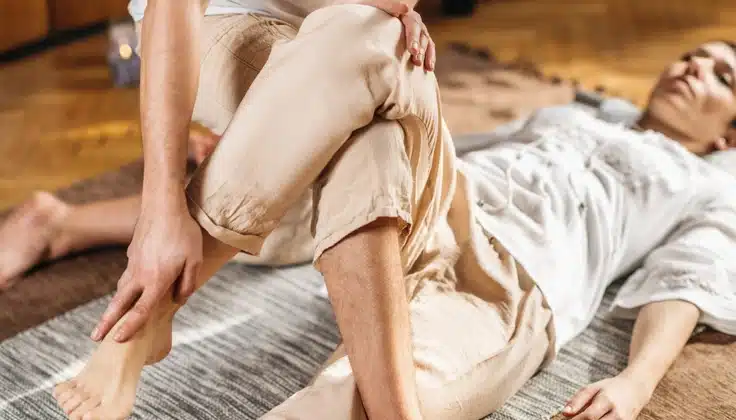
Although both therapies involve assisted body movements, they differ in their primary focus. Thai Yoga Massage combines rhythmic pressure, compression, energy line work, and passive stretches rooted in traditional Thai healing practices. Yoga Stretch Therapy places greater emphasis on flexibility, mobility, breathing techniques, and guided stretching sequences inspired by yoga principles. While Thai massage often feels energising, a yoga stretch spa treatment focuses on improving movement quality while creating a deeply relaxing experience. Many people choose yoga stretching when flexibility and posture improvement are their primary goals.
How Often Should You Schedule a Yoga Stretch Session?
The ideal frequency depends on your lifestyle and wellness goals. If you’re looking to improve flexibility significantly, a weekly session can help build consistent progress. For maintaining mobility and reducing everyday stiffness, one session every two to four weeks is often sufficient. Athletes or individuals undergoing intensive physical training may choose more frequent sessions as part of their recovery program. Your therapist can recommend a schedule based on your body’s needs and activity levels.
Benefits of Tattva Spa’s Signature Tattva Massage
Unlike conventional massages, the Signature Tattva Massage combines massage therapy, assisted yoga stretches, and acupressure techniques to deliver a more comprehensive wellness experience.
1. Relieves Deep Muscle Tension
The combination of therapeutic massage and assisted stretching helps release tight muscles caused by stress, long working hours, or physical activity.
2. Improves Flexibility and Joint Mobility
Gentle yoga stretches increase your body’s natural range of motion, making everyday movements feel easier and more comfortable.
3. Promotes Better Posture
Stretching tight muscles around the shoulders, hips, and spine helps improve body alignment while reducing discomfort caused by prolonged sitting.
4. Boosts Blood Circulation
Massage strokes stimulate healthy blood flow, helping deliver oxygen and nutrients to muscles while supporting faster recovery.
5. Reduces Stress and Mental Fatigue
The synchronized massage movements, stretching, and mindful breathing activate the body’s relaxation response, leaving both the body and mind feeling calm.
6. Enhances Overall Well-Being
By combining relaxation with mobility-focused techniques, the Signature Tattva Massage supports physical recovery while restoring energy and promoting holistic wellness.
Why Choose Tattva Spa’s Signature Tattva Massage?
The Signature Tattva Massage is more than a traditional massage—it’s an integrated wellness experience that blends therapeutic massage, assisted yoga stretching, acupressure, and mindful relaxation into one rejuvenating treatment. Whether you’re dealing with muscle stiffness from desk work, recovering after travel, managing physical fatigue, or simply looking to unwind, this therapy is designed to address both physical discomfort and mental stress in a single session. At Tattva Spa, every Signature Tattva Massage is performed by professionally trained therapists who personalize the treatment based on your body’s needs, ensuring a safe, relaxing, and deeply restorative experience.
Final Thoughts
Flexibility isn’t just about touching your toes or performing advanced yoga poses. It’s about moving comfortably through everyday life—reaching overhead without stiffness, sitting for longer without back pain, or waking up feeling less restricted. A professionally guided assisted yoga stretch spa experience supports these everyday movements by combining stretching, breathwork, and relaxation into one comprehensive wellness session. Whether you’re looking to improve posture, recover from an active lifestyle, or simply enjoy a different approach to self-care, yoga stretching therapy offers lasting benefits that extend well beyond the treatment room.
Frequently Asked Questions
1. I’m not flexible at all. Can I still book a yoga stretch therapy session?
Absolutely. You don’t need any prior yoga experience or flexibility to enjoy a yoga stretch session. The therapist adjusts every stretch according to your comfort level and mobility. The goal isn’t to force your body into difficult positions but to gradually improve flexibility while helping you feel relaxed and comfortable.
2. I spend most of my day sitting at a desk. Will this treatment really help with my posture?
Yes, it can. Sitting for long hours often tightens the hips, shoulders, chest, and lower back, which affects posture over time. A guided yoga stretching session helps release these tight muscles, improve mobility, and encourage better body alignment, making everyday movements feel more comfortable and natural.
3. How is an assisted yoga stretch different from stretching on my own at home?
When you stretch on your own, it’s easy to compensate with poor posture or avoid tight areas. During an assisted session, a trained therapist safely guides each movement, helping you achieve deeper, more effective stretches while ensuring proper alignment and reducing the risk of overstretching or injury.
4. Will the stretches be painful if my muscles are already tight?
A professional yoga stretch session should never feel aggressively painful. You may experience a gentle pulling sensation as tight muscles begin to release, but the therapist works within your comfort level throughout the treatment. The aim is to improve mobility gradually while keeping the experience relaxing and enjoyable.
5. How often should I book a yoga stretch session to notice real improvements?
The ideal frequency depends on your lifestyle and goals. If you’re working on flexibility or posture correction, weekly sessions can deliver faster results. For general wellness and maintaining mobility, one session every two to four weeks, combined with regular movement, is often enough to keep your body feeling balanced.
Popular Blogs