Login
Thai Massage vs Swedish vs Deep Tissue: Which One Should You Book?
Thai massage is suited to those seeking assisted stretching, movement and improved flexibility; Swedish massage is ideal for relaxation and general muscle tension; while Deep Tissue is better for targeted muscular stiffness and deeper pressure. The right choice depends on whether your priority is mobility, relaxation or focused muscle relief.
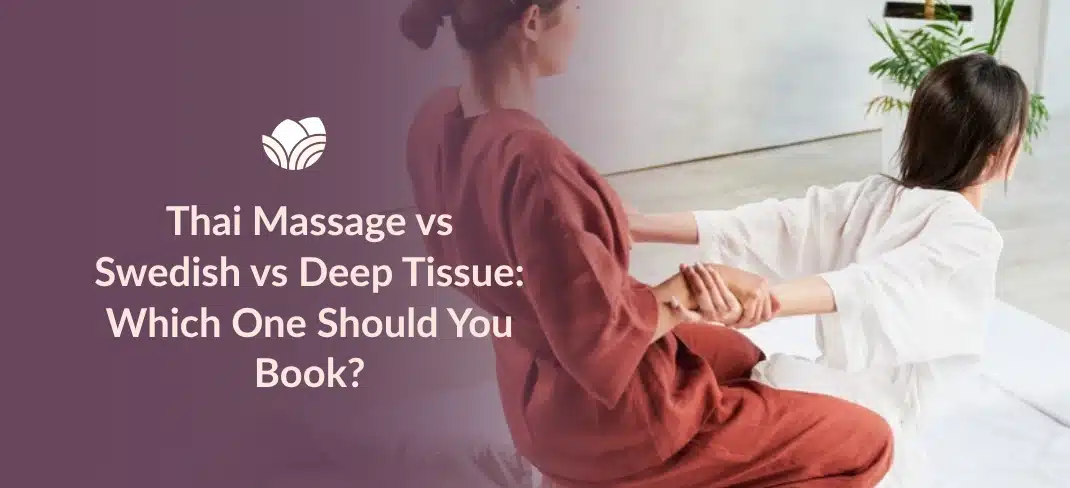
A massage can feel very different depending on how the therapist works with the body. Some treatments use flowing strokes to settle physical and mental tension. Others apply firmer, more targeted pressure. Thai massage takes another route, combining pressure with assisted stretches and movement. That is why choosing between Thai massage vs Swedish vs deep tissue should begin with your reason for booking, rather than simply choosing the treatment that sounds strongest. If your body feels stiff after sitting all day, your muscles are tired from exercise, or you simply want to switch off after a demanding week, each massage offers a different approach. Understanding those differences can make it easier to choose a treatment that suits you.
How Thai Massage, Swedish Massage and Deep Tissue Differ
The three therapies differ mainly in their technique, movement and approach to pressure. Thai massage is movement-oriented. It combines assisted stretching with rhythmic pressure and compression. At Tattva, our Thai Yoga Massage is performed without oil on a firm mattress on the floor, with the guest wearing loose clothing. The therapist uses their body weight to assist stretches and apply pressure, with the emphasis placed more on stretching than on pressure alone. Swedish Massage is more traditional in its format. It uses long kneading strokes and medium pressure across the body. Our Swedish Massage focuses on the superficial muscles, with the aim of supporting muscle relaxation and circulation. Deep Tissue Massage is more focused. Rather than maintaining one level of pressure, our therapists use varying pressure and distinct massage points to work on muscle stiffness and adhesions. The difference, therefore, is not simply light versus medium versus deep. The three therapies use different methods to work with the body.
What Is Thai Massage and How Does It Work?
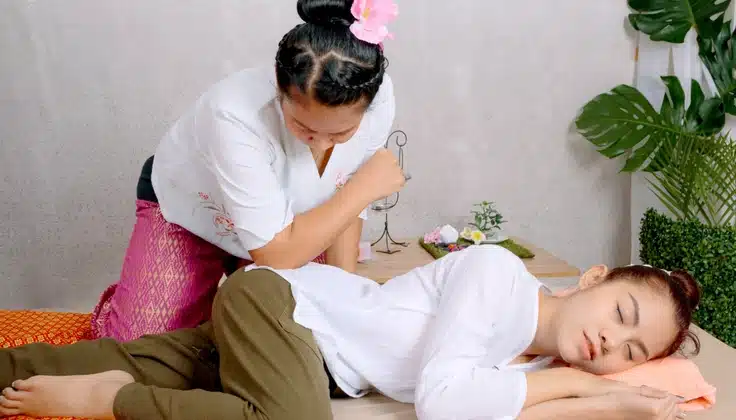
Thai massage, also known as Thai Yoga Massage, has a strong emphasis on assisted movement. Instead of remaining still throughout the session, the guest is guided through stretches and movements while the therapist applies rhythmic compression and pressure. The approach is sometimes described as passive yoga because the therapist guides the body through the movements rather than the guest actively performing them. Our Thai Yoga Massage follows this movement-based approach. It combines assisted stretches, rhythmic pressure and compression, with the therapist using controlled body weight to guide the stretches. It is recommended particularly for active individuals and people experiencing muscle tightness, stiffness or limited flexibility and mobility. This makes Thai massage particularly interesting for someone who feels that their body needs movement rather than simply relaxation.
Who May Prefer Thai Massage?
Thai massage may be worth considering if you:
- Spend long periods sitting
- Feel restricted or stiff when moving
- Want to work on flexibility
- Have an active lifestyle
- Prefer stretching as part of a massage
- Want a massage experience that feels more dynamic
If you are searching for thai massage near me, it is worth checking whether the spa specifically offers Thai Yoga Massage and understanding how the therapy is performed before booking.
When Swedish Massage Makes More Sense
Swedish Massage takes a gentler and more continuous approach. Our Swedish Massage is a medium-pressure full-body treatment using traditional long kneading strokes. It focuses on the superficial muscles and is intended to ease muscle tension, support circulation and help the body relax after physical and mental strain. This can make it a suitable choice after a demanding workday, a stressful week or simply when relaxation is your main priority.
You may prefer Swedish Massage if:
- You are new to massage
- You want a full-body treatment
- You prefer medium pressure
- Your main concern is general tension
- You want to relax rather than focus intensely on one area
Swedish Massage is also commonly regarded as a good starting point for people who are unfamiliar with massage therapy.
When Deep Tissue Is the Better Choice
Deep Tissue Massage is different because the objective is more targeted. Our Deep Tissue Massage can be customised according to individual needs. It uses varying pressure and distinct massage points to address muscle adhesions and stiffness. This approach can be relevant when sitting, driving, repetitive activity or exercise has left particular muscle groups feeling persistently tight. Deep tissue massage works into deeper muscle and tendon structures and is commonly used for muscle tightness and chronic muscular discomfort.
You may consider Deep Tissue if:
- Certain muscles feel particularly tight
- You experience recurring muscular stiffness
- You exercise regularly
- You spend long hours driving or sitting
- You prefer more focused pressure
More pressure, however, does not automatically mean a better massage. The appropriate pressure depends on your comfort and the purpose of the session.
Thai Massage vs Swedish vs Deep Tissue: Which One Should You Choose?
| Your Priority | Massage to Consider | Why |
|---|---|---|
| Flexibility and movement | Thai Yoga Massage | Assisted stretching and rhythmic pressure |
| General relaxation | Swedish Massage | Long strokes and medium pressure |
| Persistent muscle stiffness | Deep Tissue Massage | Targeted work with varying pressure |
| Active lifestyle | Thai Yoga Massage | Stretching and mobility-focused approach |
| Stress after work | Swedish Massage | Full-body relaxation |
| Specific areas of muscular tension | Deep Tissue Massage | Focused pressure and massage points |
This is a starting point rather than a strict rule. A trained therapist can also adjust techniques and pressure according to your needs. Massage therapies are not completely isolated techniques; practitioners may use different approaches depending on the individual’s concerns.
What Should You Consider Before Booking?
Before choosing a massage, think about what you want to feel at the end of the session. If you want to move more freely, Thai Yoga Massage may be the most appropriate option. If you want to quieten the physical effects of a stressful day, Swedish Massage may be a better fit. If a particular area feels tight and requires more focused attention, Deep Tissue may make more sense. It is also important to tell your therapist about injuries, medical conditions, recent procedures or any areas that should be avoided. If you have a significant health condition or are unsure whether massage is appropriate for you, speak with your healthcare professional before booking.
Choosing a Thai Massage Near Me: What Should You Look For?
A search for thai massage spa near me can produce many options, but proximity should not be the only consideration. Look at whether the treatment is clearly described, whether the therapist is trained in the technique, whether the spa explains what to expect, and whether the treatment is adapted to individual comfort. At our spas, Thai Yoga Massage is available at select locations. The treatment involves comfortable spa attire, assisted stretching and rhythmic pressure, and our therapists advise guests to communicate if a stretch or pressure feels too intense.
The Right Massage Depends on What Your Body Needs
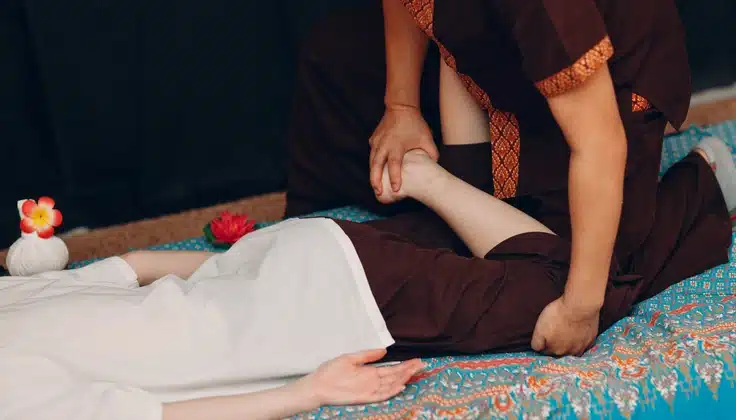
There is no single massage that works best for everyone. The right choice depends on what you want from the session and how your body feels when you book it. If your priority is flexibility and movement, Thai Yoga Massage offers a combination of assisted stretching and rhythmic pressure. If you are looking for overall relaxation, Swedish Massage provides a gentler, flowing approach. And when your main concern is specific areas of muscular stiffness, Deep Tissue Massage offers more focused pressure. At Tattva, we recognise that every guest approaches wellness differently. That is why our therapies are designed around different needs rather than one definition of relaxation. Take a moment to understand what your body needs, choose the approach that feels most relevant, and let the session be guided by that purpose.
FAQs
1. Can I book a Thai massage if I prefer not to use massage oils?
Yes. Thai Yoga Massage is performed differently from oil-based massage therapies. Our treatment uses comfortable clothing, assisted stretches, rhythmic pressure, and compression rather than applying massage oil directly to the body. This makes it a suitable option for guests who prefer a movement-focused treatment without the traditional oil massage format.
2. Should I tell the spa about my daily routine before choosing a massage?
It can be helpful to explain what your typical day involves. Long hours at a desk, frequent travel, physical activity, or repetitive movements can affect the areas where you feel tension. Sharing these details allows the therapist to understand your requirements better and helps you select a treatment aligned with your needs.
3. Can Thai massage be useful after travelling?
If travelling has left you feeling stiff from prolonged sitting, Thai Yoga Massage may be worth considering. Its combination of assisted stretching, rhythmic pressure, and compression can help address feelings of tightness and restricted movement. It offers a different approach from simply receiving a full-body massage while remaining completely still throughout the session.
4. What makes a Thai Yoga Massage different from a regular massage?
The biggest difference is movement. Thai Yoga Massage incorporates assisted stretches and rhythmic pressure, while Swedish and Deep Tissue treatments generally involve the guest remaining still during the massage. Our Thai treatment is performed without oil and uses the therapist’s controlled body weight to assist stretches and pressure-based techniques.
5. Is Swedish Massage suitable for someone who wants a full-body treatment?
Yes. Our Swedish Massage is structured as a full-body treatment using medium pressure and long kneading strokes. It focuses on the superficial muscles rather than concentrating heavily on one particular area. This makes it a practical option when you want a consistent treatment across the body rather than targeted muscular work.
Popular Blogs