Login
Login
Massage Oil Guide: Which Oil Is Best for Different Massage Types?
The best massage oil in India depends on the type of massage, body condition, climate, and desired outcome of the therapy. Different oils affect the skin, muscles, circulation, and nervous system in different ways, which is why Ayurvedic and wellness traditions place significant importance on oil selection. This guide explores the differences between coconut oil, sesame oil, and essential oils while explaining how various massage oils are used across relaxation, therapeutic, and Ayurvedic massage treatments.
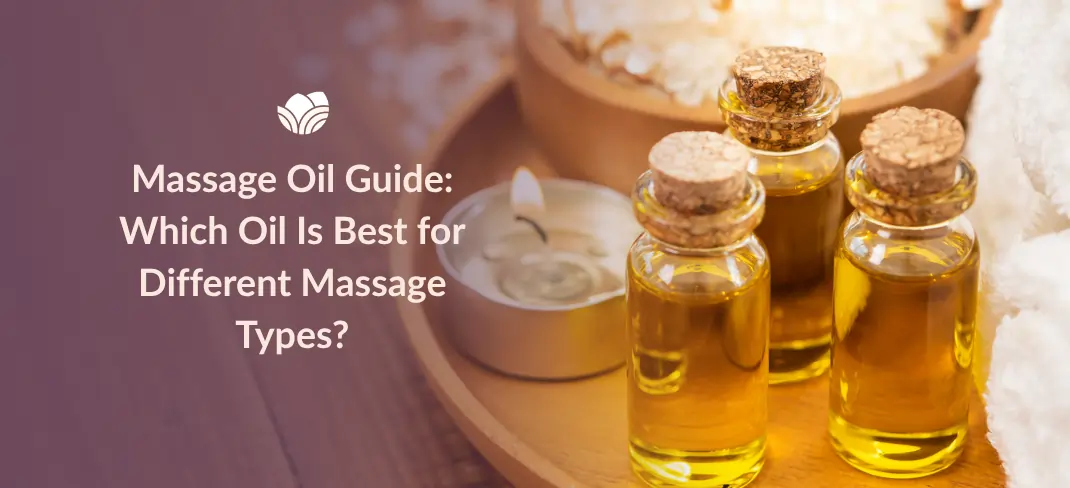
Massage therapy is often discussed in terms of pressure, technique, and relaxation, but one of the most important aspects of any massage is frequently overlooked: the oil itself. The choice of massage oil is not simply about fragrance or texture. Different oils interact with the body differently, affecting heat retention, skin hydration, muscular relaxation, circulation, and even the overall sensory experience of the therapy. In traditional wellness systems such as Ayurveda, massage oils are selected carefully based on body type, season, physical condition, and therapeutic goals.
This is one of the reasons the conversation around the best massage oil in India continues to remain relevant today. India has a long-standing tradition of oil-based therapies where oils are viewed not merely as lubricants but as active components of recovery and wellness. At Tattva Wellness Spa, different therapies use carefully selected oils to complement the purpose of the massage, whether the focus is on muscular recovery, stress reduction, hydration, relaxation, or rejuvenation.
Why Do Massage Oils Matter More Than People Realise?
Many people assume that massage oils are interchangeable, but this is far from accurate. Oils differ significantly in their absorption rate, consistency, temperature effect, nutrient profile, and therapeutic properties.
A heavier warming oil may work extremely well for deep muscular release but feel uncomfortable during peak summer months. Similarly, a light cooling oil may feel calming during hot weather yet prove less effective for therapies intended to target chronic muscular tightness. The oil used during massage directly affects how the skin responds, how smoothly movements are performed, and how long the therapeutic effects remain noticeable afterwards.
Research related to skin barrier function and therapeutic touch therapies has shown that oil-based massage may improve hydration retention while simultaneously supporting relaxation and stress reduction. Several wellness studies have also observed reductions in stress-related symptoms following aromatherapy and oil-based massage sessions. The oil used during a massage is not an accessory to the treatment. In many ways, it is part of the treatment itself.
Sesame Oil Has Been Central to Ayurvedic Massage Traditions
Among all Ayurvedic massage oils India has traditionally used, sesame oil remains one of the most respected and widely applied. Sesame oil is naturally warming, deeply nourishing, and relatively dense compared to lighter oils. Ayurveda has historically associated sesame oil with grounding and strengthening properties, which is why it is commonly used in Abhyanga-style Ayurvedic therapies designed to calm the nervous system and improve circulation. One reason sesame oil works particularly well for therapeutic massages is its ability to retain warmth. This makes it highly suitable for individuals dealing with muscular stiffness, joint discomfort, fatigue, and dryness.
During colder weather or for therapies focused on deeper muscular recovery, sesame oil often provides a more comforting and restorative experience compared to lighter alternatives. In addition, sesame oil contains naturally occurring antioxidants and fatty acids that help support skin hydration and softness, making it suitable for longer massage sessions where extended skin contact is involved.

Choosing Between Coconut Oil and Sesame Oil for Massage
The debate around coconut vs sesame massage oil largely comes down to the intended purpose of the therapy and the surrounding climate. Coconut oil is significantly lighter and more cooling in nature compared to sesame oil. This makes it especially popular in warmer regions and during summer months when excessive heat retention may feel uncomfortable.
Coconut oil absorbs relatively well into the skin while creating a soothing and calming sensory effect. Because of its cooling nature, it is frequently preferred for relaxation-focused therapies and lighter massages intended to reduce stress and mental fatigue. In tropical climates such as India, coconut oil has long been associated with calming the body during periods of excessive heat exposure. This is one reason it continues to remain popular for scalp massages, stress-relief therapies, and general wellness rituals.
From a skincare perspective, coconut oil also provides hydration support and helps soften dry skin, although individuals with highly sensitive or acne-prone skin may respond differently depending on the formulation used. Choosing between coconut and sesame oil is rarely about which one is universally “better.” It is about understanding what the body needs at a particular moment.
Essential Oils Influence the Emotional Experience of Massage
While base oils such as sesame or coconut form the foundation of many massage therapies, essential oils for massage significantly influence the emotional and sensory dimension of the treatment. Essential oils are highly concentrated plant extracts that are typically blended into carrier oils to create specific therapeutic effects. Aromatherapy massage relies heavily on these combinations because scent has a direct relationship with emotional and neurological responses.
Lavender oil, for example, is often associated with relaxation and sleep support, while peppermint and eucalyptus oils create cooling and refreshing sensations that may help reduce feelings of fatigue. Citrus oils are commonly used to create uplifting sensory experiences, whereas sandalwood and frankincense are often chosen for grounding and calming effects. Research related to aromatherapy and sensory wellness has shown that certain essential oil blends may contribute to reduced stress perception and improved relaxation responses in some individuals. At Tattva Wellness Spa, aromatherapy therapies often combine massage techniques with carefully selected essential oil blends to enhance the overall calming experience.
Different Massage Types Require Different Oils
The effectiveness of massage oils depends heavily on the style and purpose of the therapy itself. A Deep Tissue Massage generally benefits from oils that provide sufficient glide while still allowing controlled muscular manipulation. Oils that are too light may absorb too quickly, making the treatment less effective over longer sessions.
Relaxation-focused therapies such as Swedish Massage or Aromatherapy Massage often work better with lighter oils and calming fragrances because the objective is nervous system relaxation rather than aggressive muscular release. Ayurvedic massages traditionally rely on herbal oil formulations that may contain medicinal herbs infused into sesame or other base oils, depending on the desired therapeutic outcome.
Sports massages frequently use oils or balms designed to support circulation and reduce muscular fatigue, especially after physical exertion. This is why professional therapists typically select oils based not only on skin type but also on therapeutic goals, weather conditions, muscular conditions, and the client’s comfort level.
Climate Plays a Major Role in Oil Selection
One of the most overlooked aspects of massage oil selection is climate. India’s weather conditions vary dramatically across regions and seasons, which directly affects how oils feel on the body. During peak summer months, heavier oils may feel overly warm or greasy, whereas during winter, lighter oils may not provide enough nourishment or warmth.
This seasonal adjustment has long existed within Ayurvedic wellness systems. Cooling oils are often preferred during hotter months, while warming oils become more suitable during colder conditions or periods of physical fatigue. This is another reason there is no single universal answer to the question of “what is the best massage oil India offers?” Oil selection is highly contextual and depends on the body’s current state as much as the massage itself.
The Right Massage Oil Improves More Than Relaxation
Most people associate massage oils primarily with relaxation, but their impact extends further than that. The right oils can support skin hydration, improve comfort during therapy, reduce friction, assist circulation, enhance sensory relaxation, and contribute to overall recovery quality. Some oils also help the body retain warmth, while others assist in creating a cooling effect during hot weather.
More importantly, oils influence how long the body continues feeling relaxed after the massage ends. A well-chosen oil often prolongs the sense of muscular ease and nervous system calmness beyond the treatment room itself. Massage oils shape the overall experience of therapy far more deeply than most people initially realise.
Ayurvedic Oil Traditions Continue to Influence Modern Wellness
Even today, many modern spa therapies continue drawing inspiration from traditional Ayurvedic oil practices because these systems were developed around long-term observation of the body, climate, and physical balance. Ayurvedic wellness has historically viewed oil massage not merely as a luxury but as a preventive wellness ritual intended to support circulation, muscular health, skin nourishment, sleep quality, and nervous system regulation.
Modern wellness spaces increasingly combine these traditional principles with contemporary spa therapies, creating experiences that balance therapeutic effectiveness with relaxation and comfort. At Tattva Wellness Spa, these principles continue influencing how therapies are structured and how oils are selected for different wellness experiences.
Choosing the Best Massage Oil Ultimately Depends on the Individual
There is no universally perfect massage oil because different bodies respond differently based on climate, skin type, stress levels, muscular condition, and personal comfort. Sesame oil may feel deeply restorative for someone dealing with fatigue and stiffness, while coconut oil may feel more suitable for someone seeking cooling relaxation during summer. Essential oil blends may enhance emotional relaxation for one person, while another may prefer unscented therapies entirely.
This is why professional massage experiences often begin with understanding the individual rather than simply selecting a standard oil for every treatment. The best results usually come from matching the oil to both the therapy and the person receiving it.
Tattva Signature Oils: Crafted for Different Wellness Experiences
At Tattva Wellness Spa, massage oils are selected for more than just their aroma. Each Tattva Signature Oil is thoughtfully formulated with ingredients chosen to complement a specific wellness experience, helping personalise every therapy according to the guest’s needs and preferences.
Vishram combines the goodness of Rosemary Oil and Peppermint Oil. Rosemary Oil is recognised for its refreshing properties, while Peppermint Oil imparts a naturally cooling sensation that many guests find invigorating.
Pranati is enriched with Rose Oil and Geranium Oil. Rose Oil is valued for its antioxidant properties, while Geranium Oil is traditionally associated with balancing sebum production and supporting healthy-looking skin.
Sparsh contains Harad and Bheda, ingredients long appreciated in traditional skincare practices, incorporated into the formulation to enhance the massage experience.
Vimukti features Mahanarayan Oil and Udad Oil. Mahanarayan Oil has traditionally been used to support muscle and joint comfort, while Udad Oil is known for helping ease feelings of stiffness.
Ojas blends Jasmine Oil with Patchouli Oil to create a rich sensory experience. Jasmine Oil contributes a delicate floral note, while Patchouli Oil lends a warm, earthy character to the massage.
Every Tattva Signature Oil serves a distinct purpose and helps tailor the massage to the desired wellness experience, ensuring that the choice of oil complements the therapy rather than simply adding fragrance.
Quick Questions Answered
1. Which is the best massage oil in India?
There is no single massage oil that is best for everyone, as the ideal choice depends on the type of therapy, climate, body condition, and desired outcome. Oils such as sesame oil, coconut oil, and specialised aromatherapy blends are widely used across different massage techniques. A trained therapist typically selects the most suitable oil based on the purpose of the treatment and individual preferences.
2. Is sesame oil better than coconut oil for massage?
Both oils offer different benefits and are used for different purposes. Sesame oil is commonly chosen for warming and therapeutic massages because of its rich texture and traditional Ayurvedic use, while coconut oil is often preferred for cooling, soothing, and relaxation-focused therapies. The choice usually depends on the season, treatment style, and individual comfort.
3. Are essential oils safe for massage?
Yes. When properly diluted with suitable carrier oils and applied by trained professionals, essential oils are commonly used in massage and aromatherapy treatments. Different essential oils are selected to complement relaxation, rejuvenation, or other wellness goals. Professional guidance helps ensure that the oils are used safely and appropriately.
4. Why are Ayurvedic massage oils popular?
Ayurvedic massage oils have been used for generations and are valued for their traditional role in wellness and self-care practices. These oils are often formulated using herbs and botanical ingredients that are believed to support relaxation, circulation, muscular comfort, and overall balance. Their continued popularity reflects the strong connection between Ayurveda and holistic wellbeing.
5. Which oil is best for summer massages?
Cooling oils such as coconut oil are often preferred during warmer months because they feel lighter on the skin and are generally associated with a refreshing massage experience. Many therapists choose oils that complement seasonal conditions and help guests feel more comfortable during treatment. The final selection may vary depending on the massage technique and individual preferences.
Popular Blogs