Login
Login
Why Frequent Travelers Swear by Jet Lag Therapy Massage?
Frequent travelers swear by jet lag therapy massage because it helps the body recover from the physical and mental effects of long-distance travel. By improving circulation, relieving muscle stiffness, reducing travel fatigue, and promoting better sleep after a flight, massage supports a smoother transition across time zones. Whether you’re traveling for business or leisure, a professional recovery massage can help you feel refreshed, energized, and ready to make the most of your journey.
Frequent travelers often become experts at planning itineraries, packing efficiently, and navigating airports. Yet, no matter how experienced they are, there is one challenge that remains difficult to outsmart—jet lag. It is easy to dismiss jet lag as nothing more than feeling sleepy after a long flight. In reality, it is a temporary disruption of your body’s internal clock, affecting everything from sleep patterns and digestion to concentration and energy levels. Many business executives, international tourists, and corporate travelers find that the exhaustion they experience after crossing time zones lingers far longer than the flight itself.
This is precisely why wellness has become an essential part of modern travel. More travelers are now incorporating recovery into their itineraries, and one practice that continues to gain attention is jet lag massage therapy. Rather than waiting for the body to naturally adjust over several days, travelers are choosing therapeutic massages to ease the transition and regain their physical and mental balance.
Jet Lag Is More Than Just Feeling Tired
Most people associate jet lag with sleepiness, but the condition affects much more than your ability to stay awake. Your body follows a natural circadian rhythm that regulates sleep, hormone production, digestion, body temperature, and mental alertness. When you travel rapidly across multiple time zones, this internal rhythm struggles to synchronize with the local time. As a result, travelers may experience:
- Difficulty falling asleep despite feeling exhausted
- Waking up at unusual hours
- Brain fog and reduced concentration
- Digestive discomfort
- Muscle stiffness from prolonged sitting
- Mood changes and irritability
- General physical fatigue
For someone traveling frequently, these symptoms can quickly affect productivity, decision-making, and the overall travel experience.
Why Flying Is Surprisingly Demanding on the Body?
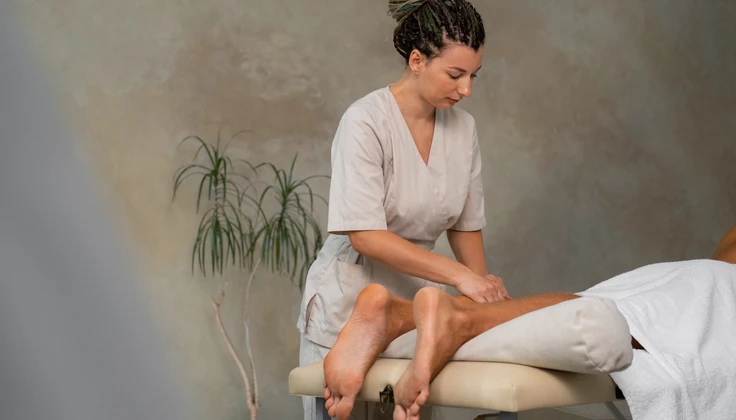
Even though air travel appears physically effortless, your body is working continuously throughout the journey. Long hours in a seated position reduce circulation in the legs and lower back. Cabin pressure and low humidity contribute to dehydration, while carrying luggage and rushing through terminals place additional strain on muscles and joints. By the time you reach your destination, your body has endured far more stress than most people realize. This explains why many travelers feel physically sore despite spending most of the journey sitting down.
Why Experienced Travelers Prioritize Recovery Before Sightseeing or Meetings?
Seasoned travelers have learned an important lesson. Arriving at a destination is only the beginning of the journey. Whether you’re attending a business conference, exploring a new city, or visiting family abroad, your body performs better when it has been given an opportunity to recover first. Instead of immediately rushing into meetings or sightseeing, many experienced travelers schedule wellness treatments within the first 24 hours of arrival. The goal is not simply relaxation. It is recovery.
How Massage Supports Jet Lag Recovery?
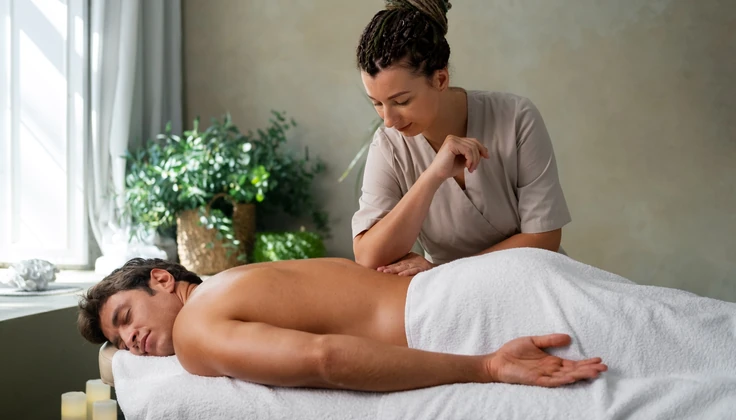
Massage cannot instantly reset your biological clock, but it can help address many of the physical effects associated with long-distance travel. This is why many wellness professionals recommend a jet lag recovery massage as part of a broader travel recovery routine.
1) Encouraging Better Circulation
Remaining seated for several hours can slow blood circulation, particularly in the lower body. Massage techniques stimulate circulation, helping deliver oxygen and nutrients more efficiently throughout the body while reducing feelings of heaviness and stiffness.
2) Relieving Travel-Induced Muscle Tension
Long flights often lead to tight hips, stiff shoulders, sore neck muscles, and lower back discomfort. A professional massage for travel fatigue focuses on releasing muscular tension that develops during prolonged travel, allowing the body to feel lighter and move more comfortably.
3) Supporting Better Sleep After Arrival
One of the most frustrating aspects of jet lag is the inability to sleep at the appropriate local time. While massage cannot completely eliminate jet lag, it promotes relaxation by calming the nervous system and reducing physical stress. For many travelers, a massage for sleep after a long flight becomes an effective way to prepare the body for restful sleep in a new time zone.
4) Reducing Mental Fatigue
Travel is mentally demanding. Navigating airports, adjusting schedules, managing luggage, and adapting to unfamiliar environments all contribute to cognitive fatigue. Massage creates a dedicated period of uninterrupted relaxation, allowing both the mind and body to recover before the next stage of the journey.
Why Is Wellness Becoming Part of Modern Travel?
Travel itself has changed dramatically over the last decade. Hotels increasingly feature wellness centers, airports offer relaxation lounges, and many travelers now build recovery time into their itineraries instead of treating it as an afterthought. This reflects a broader understanding that successful travel is not measured only by the number of places visited or meetings attended—it is also about arriving physically and mentally prepared. An anti-jet lag spa treatment fits naturally into this philosophy because it helps travelers transition more comfortably between destinations.
Which Massage Works Best After a Long Flight?
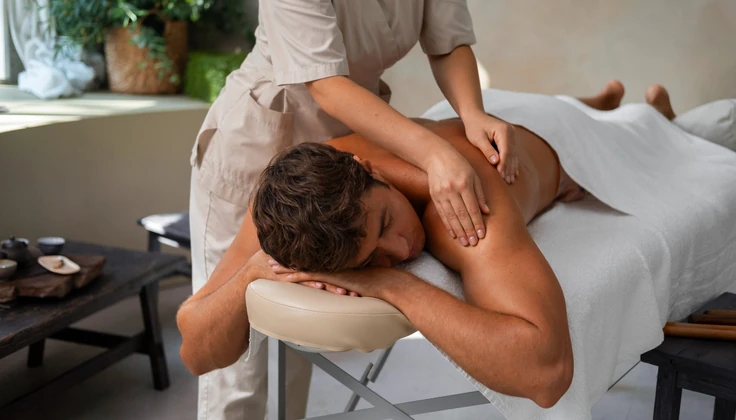
Long flights affect every traveller differently. While some experience stiff muscles and back pain from prolonged sitting, others struggle with fatigue, disrupted sleep, dehydration, or the lingering effects of crossing multiple time zones. This is why there isn’t a one-size-fits-all solution. For frequent flyers, Jet Lag Therapy is designed to address the unique challenges associated with air travel. Using carefully selected massage techniques, this therapy helps improve blood circulation, relieve muscle stiffness caused by extended periods of sitting, reduce feelings of fatigue, and encourage deep relaxation that supports the body’s natural recovery process. Whether you’re travelling for business or leisure, Jet Lag Therapy helps you feel physically restored and better prepared to adjust to your destination or resume your daily routine with renewed energy.
Why Tattva Spa Is a Preferred Stop for Travel Recovery?
For many travelers, the ideal recovery experience combines convenience, professional expertise, and a calming environment. Located within leading hotels and premium destinations across India, Tattva Spa provides wellness experiences designed to help guests unwind after demanding journeys. Professional therapists, thoughtfully designed treatment rooms, and a range of therapeutic massages create an environment where travelers can shift from the stress of transit to a state of relaxation. Whether you’re preparing for an important business meeting, extending your holiday, or simply looking to recover after hours of travel, a professionally delivered travel fatigue massage can become an important part of your itinerary rather than an optional luxury.
Final Thoughts
Jet lag is often treated as an unavoidable inconvenience, but its effects on the body are far more significant than occasional tiredness. Sleep disruption, muscle stiffness, reduced concentration, and physical fatigue can influence how much you enjoy or accomplish during your trip. Frequent travelers understand that recovering well is just as important as traveling well. This is why jet lag massage therapy has become more than a wellness trend—it has become a practical recovery strategy. By helping the body relax, improving circulation, easing muscular tension, and supporting better rest, massage allows travelers to make the most of every journey, whether they are traveling for business, leisure, or family.
Frequently Asked Questions
1. I usually feel exhausted for two or three days after an international flight. Can a massage really help me recover faster?
While a massage won’t eliminate jet lag overnight, it can help reduce muscle stiffness, improve circulation, and encourage relaxation after hours of travel. Many frequent travelers book a recovery massage soon after arriving to feel refreshed, sleep better, and ease the physical fatigue that often follows long-haul flights.
2. Is it better to book a massage immediately after landing or should I wait until the next day?
If your schedule allows, booking a massage within the first 24 hours after arriving is often the most beneficial. It helps your body recover from prolonged sitting, carrying luggage, and travel-related stress, allowing you to settle into your destination feeling more relaxed and physically comfortable.
3. Which massage should I choose if my neck, shoulders, and lower back always ache after flying?
If you frequently travel by air and struggle with fatigue, body stiffness, poor sleep, or swollen legs after landing, Jet Lag Therapy is specifically designed for you. Unlike a regular massage, this therapy focuses on helping frequent flyers recover from the physical and mental effects of long journeys by improving circulation, easing muscle tension, and promoting deep relaxation. It is an excellent choice for business travellers, international tourists, or anyone looking to recover quickly and feel refreshed after travel.
4. I travel frequently for work. Can regular massage sessions help reduce travel fatigue over time?
Frequent travel places repeated stress on the body, especially if you’re constantly moving between cities or countries. Regular massage sessions can become part of a wellness routine by helping reduce muscle tension, improve recovery between trips, and make long journeys physically more manageable over time.
5. I have an important business meeting after my flight. Will a massage make me feel sleepy or more refreshed?
Most travelers feel more refreshed than sleepy after a professionally delivered massage. By easing muscle tension and promoting relaxation without leaving you feeling sluggish, a post-flight massage can help improve comfort, mental clarity, and overall readiness before an important meeting or event.
Popular Blogs