Login
Login
Indian Head Massage for Neck and Shoulder Pain: Relief Guide
Indian head massage can provide targeted relaxation for neck and shoulder tension by using focused massage movements across the scalp, neck, shoulders, and upper back. It may help ease muscular tightness associated with prolonged sitting, screen use, stress, and everyday physical strain. A typical session involves controlled kneading, pressure, and gliding movements, with the intensity adjusted to individual comfort. While it may offer short-term relief from some forms of muscular neck and shoulder discomfort, persistent, severe, or unexplained pain should be assessed by a qualified healthcare professional.
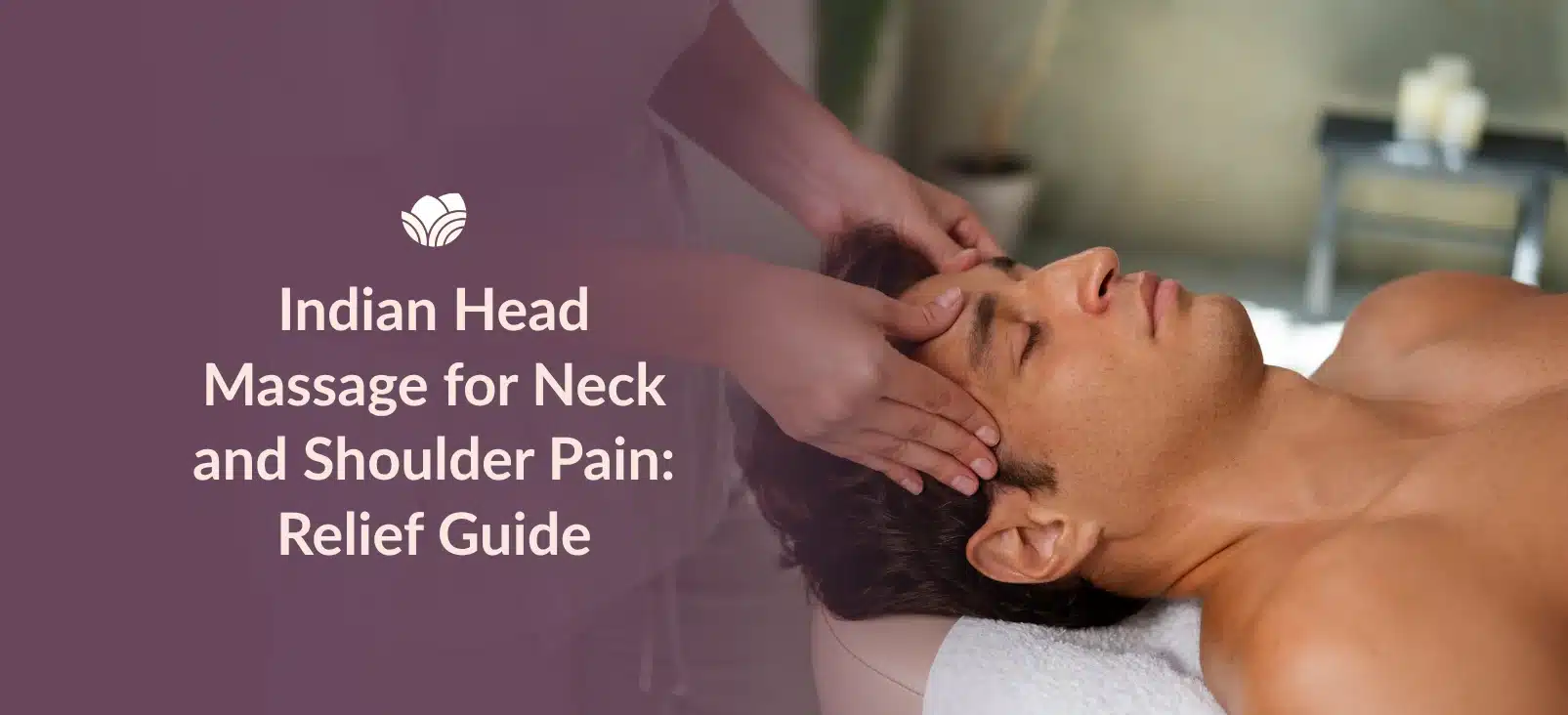
Neck and shoulder pain has become increasingly common in everyday life. Long hours at a desk, extended screen time, poor posture, stress, and limited movement can leave the muscles around the upper back and neck feeling tight by the end of the day. The discomfort may begin as stiffness and gradually become more persistent. Some people notice restricted movement, tension around the shoulders, headaches, or difficulty getting comfortable at night. Massage can be one way of addressing the muscular tension associated with these patterns. Among the different approaches available, Indian head massage for neck pain takes a more focused approach by working on the head, neck, shoulders, and upper back.
What Is Indian Head Massage?
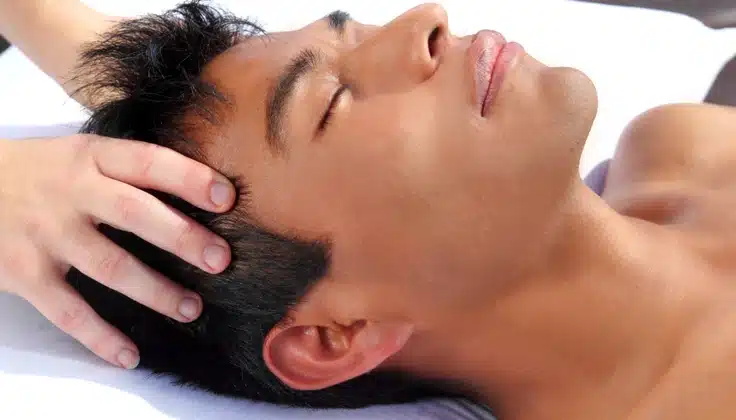
Indian head massage is a traditional massage technique that focuses on relieving stress. The treatment commonly involves the scalp, neck, shoulders, and upper back. Gentle to moderate pressure, kneading, and gliding movements and strokes are used to work through areas where tension tends to accumulate. The approach has its roots in Indian massage traditions and is closely associated with relaxation and scalp care. Modern versions have adapted the technique into a structured spa treatment, with particular attention to the muscles around the head and upper body. Tattva Spa’s Indian Head Massage is a 30-minute treatment focused on the head, neck, shoulders, and upper back. Its treatment description identifies stress, sleeplessness, headaches, upper-neck stiffness, and sinus discomfort among the concerns for which the therapy is recommended. The focus on the neck and shoulders is particularly relevant for people whose daily routine involves prolonged sitting or repetitive screen use.
Why Do Desk Jobs Cause Neck and Shoulder Tension?
Sitting at a computer for several hours does not necessarily require strenuous physical effort, but it can still place considerable demand on the muscles. Remaining in one position for long periods can reduce movement around the neck and shoulders. Screen positioning can also influence posture, particularly when the head moves forward or the shoulders remain elevated for extended periods. Stress can compound the problem. People experiencing mental pressure may unconsciously tighten their shoulders or jaw. When this muscular tension continues throughout the day, the neck and shoulder area can begin to feel stiff, heavy, or uncomfortable. Other factors can contribute as well:
- Repetitive movements
- Insufficient breaks from screens
- Poor workstation positioning
- Lack of physical activity
- Sleep-related muscle tension
- Prolonged driving
- Psychological stress
Massage cannot correct the underlying cause of poor posture or inactivity, but it can provide temporary relief when muscular tension is contributing to discomfort.
How Can Indian Head Massage Help With Neck Pain?
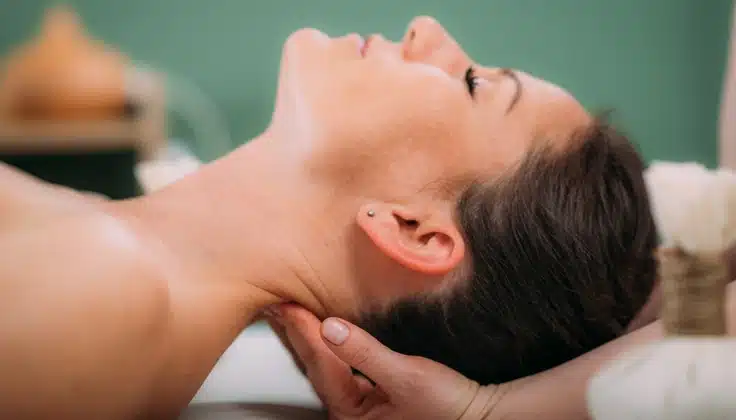
The main advantage of a targeted head massage is its concentration on the areas that commonly hold tension. During the treatment, the therapist works through the scalp and the soft tissues around the neck, shoulders, and upper back. The technique has gentle sliding movements using the palms and fingertips, with moderate yet firm pressure. This combination of pressure and movement can help relax tense muscles and create a greater sense of comfort in the treated areas. This makes massage best understood as a supportive approach to managing muscular tension rather than a cure for persistent neck problems.
Can It Provide Shoulder Pain Relief?
The shoulders often respond to the same stresses that affect the neck. When the muscles around the upper back and shoulders remain contracted for prolonged periods, the area can become tender and restricted. A shoulder pain relief massage focuses on releasing this muscular tension through controlled pressure and massage movements. The results are therefore likely to differ from person to person. The cause of the pain also matters. Muscle tension from prolonged sitting is different from pain caused by an injury, joint problem, nerve compression, or another medical condition.
What Happens During an Indian Head Massage?
A focused session generally begins with an assessment of the areas where tension is being experienced. This helps the therapist understand whether the emphasis should be placed on the scalp, neck, shoulders, or upper back. The massage then progresses through the treatment area using controlled hand movements. Tattva Spa’s Head Massage treatment uses gentle sliding movements with the palms and fingertips and moderate yet firm pressure. The therapy is structured as a 30-minute session. The objective is not to apply maximum pressure. Effective massage depends on using pressure that remains comfortable while allowing tense muscles to relax. After the session, the treated areas may feel looser, while the overall effect can be one of physical relaxation and reduced tension.
How Should You Prepare?
A head massage does not require extensive preparation. Arriving a little early gives you time to settle down and communicate any specific areas of discomfort to the therapist. It is also useful to mention previous injuries, ongoing medical concerns, sensitivity to pressure, or anything that could affect the treatment. During the massage, communication remains important. Pressure that feels excessive should be adjusted rather than endured. The goal is controlled relaxation, not discomfort.
When Should You See a Doctor Instead?
Not every form of neck or shoulder pain is appropriate for massage. Medical assessment is important when pain follows an injury, persists without improvement, becomes severe, or is accompanied by symptoms such as numbness, weakness, loss of coordination, or pain extending into the arm. Massage should also not replace diagnosis or treatment for an underlying musculoskeletal or neurological condition. For uncomplicated muscular tension associated with stress, prolonged sitting, or everyday physical strain, massage may form part of a broader approach alongside regular movement, appropriate workstation setup, adequate sleep, and professional care when required.
Booking an Indian Head Massage at Tattva Spa
Indian Head Massage is offered as a 30-minute therapy at Tattva Spa. Current online listings allow guests to check availability and book the treatment at individual locations. Checking the selected centre before making an appointment is advisable.
Final Thoughts
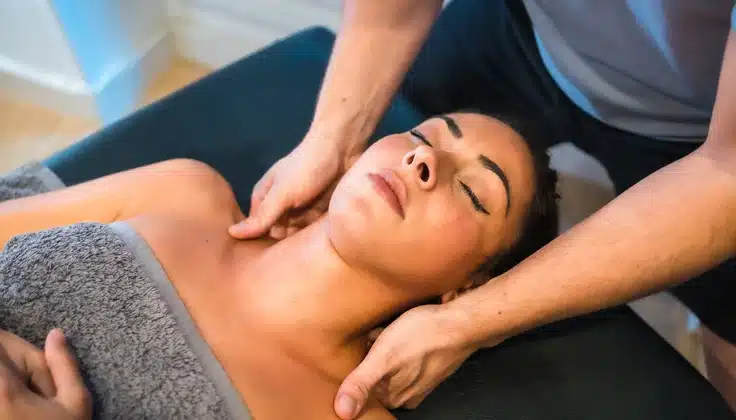
Neck and shoulder tension often develops gradually. Hours at a desk, continuous screen use, stress, and limited movement can keep the same muscles under repeated strain. Indian head massage takes a focused approach to this pattern by working across the scalp, neck, shoulders, and upper back. It can provide a period of muscular relaxation and may offer short-term relief for some forms of neck and shoulder discomfort, while its effectiveness depends on the underlying cause and individual response. For recurring or unexplained pain, identifying the cause remains more important than simply managing the symptoms. But when everyday tension is the issue, a targeted massage can be a practical part of a wider self-care routine.
FAQs
1. Can an Indian head massage help if my neck feels stiff after work?
It can help relax muscles that become tense from prolonged sitting, screen use, or everyday stress. The treatment focuses on the head, neck, shoulders, and upper back, making it relevant when stiffness is primarily muscular. Persistent, severe, or unexplained neck pain should still be assessed by a healthcare professional.
2. Does Tattva Spa offer other treatments if my discomfort extends beyond the neck and shoulders?
Yes. Tattva Spa also offers focused therapies such as Back Massage, which is designed around stiffness and discomfort across the upper and lower back. Choosing a treatment based on where you experience tension can make the session more relevant to your needs rather than selecting a therapy solely by its name.
3. Is an Indian head massage suitable for shoulder tension caused by sitting all day?
Yes, it can be considered when shoulder tightness is related to prolonged sitting and muscular tension. The treatment uses focused movements around the shoulders, neck, and upper back to encourage relaxation. However, massage does not correct posture or inactivity, so regular movement and an appropriate workstation remain important.
4. How much pressure should I expect during an Indian head massage?
The pressure should feel purposeful without becoming painful. Tattva describes its Indian Head Massage as using moderate yet firm pressure with gentle sliding movements involving the palms and fingertips. Your comfort should remain important throughout the session, so you can ask the therapist to adjust the pressure whenever necessary.
5. Can I book an Indian Head Massage at Tattva Spa for neck and shoulder tension?
Yes. Tattva Spa offers a 30-minute Indian Head Massage focusing on the head, neck, shoulders, and upper back. The treatment uses moderate yet firm pressure with gentle sliding movements to work through areas of tension, making it suitable for those seeking focused relaxation after prolonged desk work or daily stress.
Popular Blogs