Login
Login
Lymphatic Face Massage: How It Works, Techniques & Results
Lymphatic face massage is a gentle technique that encourages lymphatic fluid movement, helping reduce temporary facial puffiness and create a fresher, more radiant appearance. Unlike conventional facial massage, it uses light, rhythmic movements rather than deep pressure. The technique can be particularly useful for de-puffing, relaxation, and improving the appearance of tired-looking skin. A professional session also allows the technique to be adapted to the face, head, and neck. Tattva Spa’s LymphoGlow Rejuvenation combines targeted lymphatic face massage with head pressure-point activation for a calming, revitalising experience.
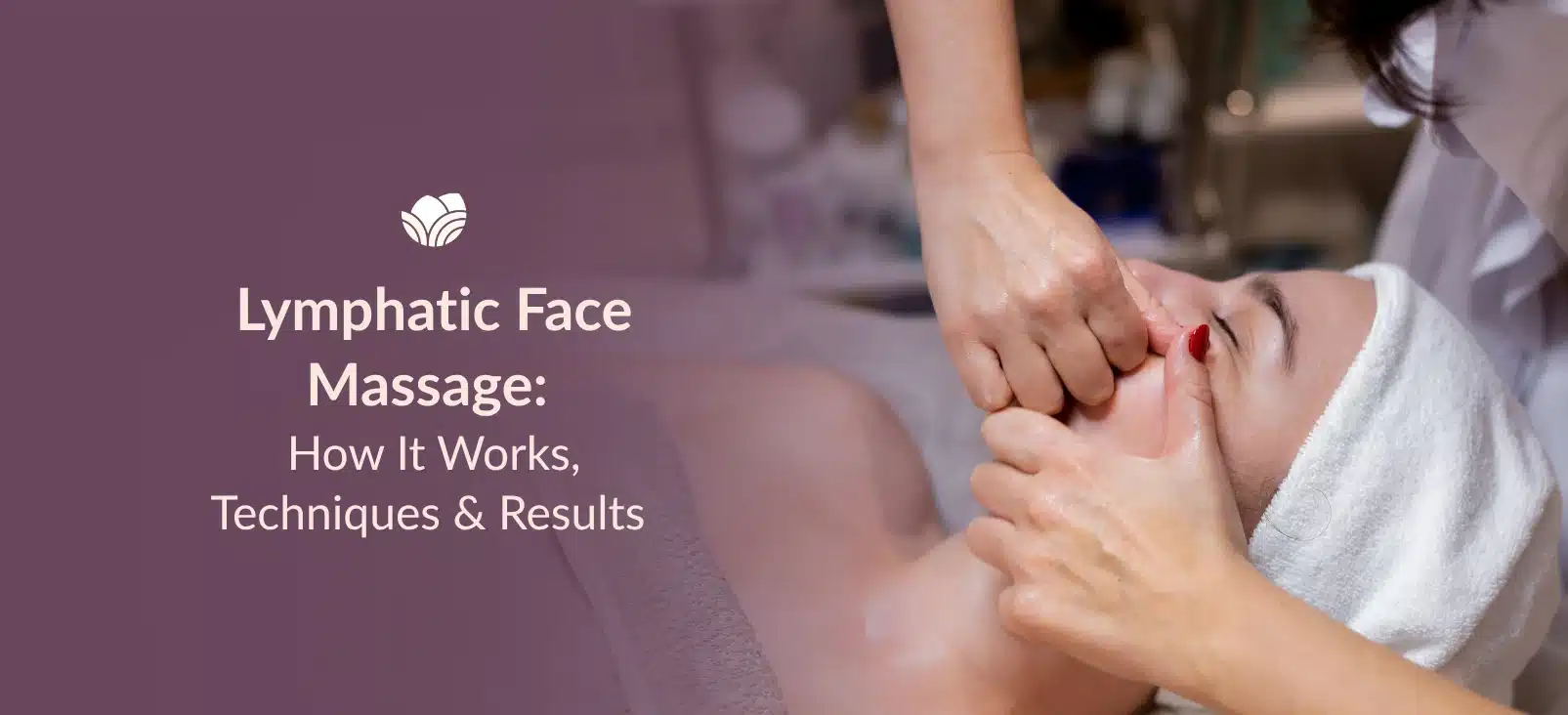
A face can look tired even when you have had enough sleep. Morning puffiness, a heavy feeling around the eyes, sinus congestion, and a dull complexion can sometimes be linked to temporary fluid accumulation in the facial tissues. This is where lymphatic drainage massage takes a different approach from a conventional facial massage. Instead of working primarily on the skin’s surface, the technique uses gentle, controlled movements intended to encourage the movement of lymphatic fluid and reduce fluid build-up.
For someone looking for a face massage for glowing skin, lymphatic facial massage can therefore be less about adding another skincare product and more about supporting circulation and fluid movement. Tattva Spa’s LymphoGlow Rejuvenation combines pressure-point activation on the head with a targeted lymphatic face massage. It is offered as a service enhancement as well as a standalone facial treatment.
What Is Lymphatic Drainage Massage?
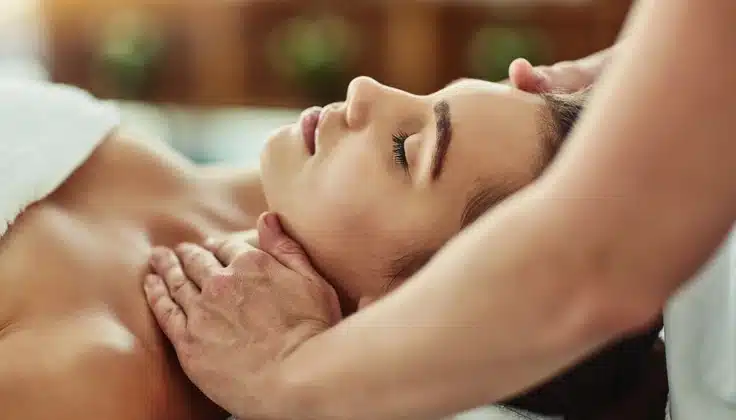
Lymphatic drainage massage is a specialised, gentle massage technique that encourages lymphatic fluid to move through the body’s lymphatic network. Manual lymphatic drainage is used clinically to manage certain types of swelling, particularly lymphedema. It is also used cosmetically on the face, where it may help reduce puffiness and temporarily improve the appearance of the skin. The distinction between lymphatic massage and a regular massage is important. More pressure does not necessarily mean better lymphatic drainage. Lymphatic vessels are located close to the surface of the skin, so the technique relies on controlled, light movements rather than deep pressure. That is why a session can feel subtle rather than intense.
Why Does Facial Puffiness Happen?
Facial puffiness can have several everyday causes. Changes in fluid balance, sleep patterns, allergies, and other factors can contribute to temporary swelling. The effect is particularly noticeable around the eyes because the skin and underlying tissues in this area are delicate. A lymphatic facial massage does not address every possible cause of facial swelling. Instead, when temporary fluid accumulation is contributing to puffiness, gentle drainage techniques may help move that fluid and create a less swollen appearance. This is also why the treatment should not be confused with a medical solution for persistent facial swelling.
How Does Lymphatic Face Massage Work?
The technique is based on direction, pressure, and rhythm. A therapist uses gentle movements rather than the firm kneading associated with deep tissue massage. Lymphatic drainage generally involves preparing areas around lymph nodes and then encouraging fluid from surrounding tissues towards those drainage pathways. On the face, attention may be given to areas around the eyes, cheeks, jaw, ears, and neck. The purpose is not to apply force to the face aggressively. It is to work with the body’s existing lymphatic pathways. This also explains why a professionally performed treatment can feel very different from simply rubbing the face with your hands.
What Can You Notice After a Session?
The most immediate change people may notice is a reduction in the appearance of puffiness. Facial lymphatic drainage may also increase circulation and give the skin a temporarily fresher or more radiant appearance. For someone searching for a face massage for glowing skin, this distinction is useful. The glow is not the result of suddenly changing the skin’s pigmentation or permanently improving its structure. A fresher appearance can come from reduced puffiness, increased circulation, and the overall effects of facial massage. It is therefore better to think of lymphatic massage as a treatment that can refresh the appearance of the face, rather than a treatment promising permanent skin transformation.
Is It the Same as a Facial?
No. A conventional facial usually focuses on skincare steps such as cleansing, exfoliation, hydration, masks, and moisturisation. The exact process depends on the treatment and the skin’s needs. Lymphatic face massage has a different focus. The central technique is gentle manual movement designed to encourage lymphatic drainage. Skincare products may be used to support the massage, but they are not what defines the treatment. This makes it particularly relevant for someone whose main concern is temporary puffiness or a tired-looking face rather than cleansing or exfoliation.
How Tattva Spa LymphoGlow Treatment Works?
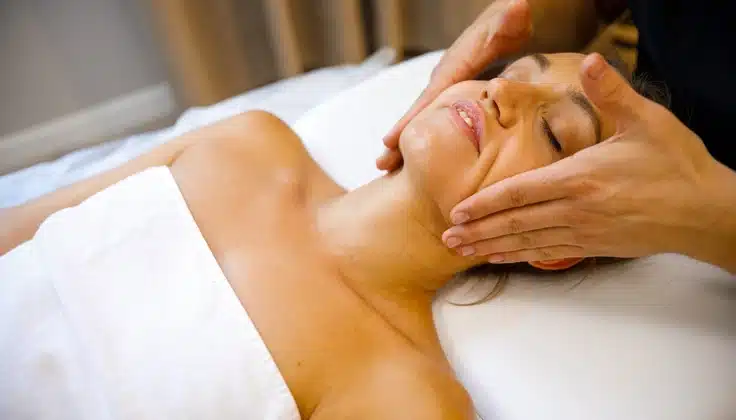
The distinction is reflected in Tattva Spa’s current menu. LymphoGlow Rejuvenation is positioned as a service enhancement rather than a conventional facial. It combines pressure-point activation on the head with targeted lymphatic face massage. The treatment is described as supporting fluid movement, easing sinus-related discomfort, and promoting relaxation. That positioning makes sense for someone who wants to add facial work to a broader spa experience without replacing the main therapy with a traditional facial. The wider Tattva experience also begins with time to settle in, a seasonal welcome drink, and a wellness consultation. The menu describes the consultation as an opportunity to discuss the guest’s health assessment and tailor the therapy to individual needs. The emphasis is therefore on the therapy fitting into the person’s overall spa experience, rather than treating the face in isolation.
Who May Want to Try It?
Lymphatic face massage may appeal to people who:
- Notice temporary facial puffiness, particularly in the morning.
- Want a gentle facial massage rather than deep pressure.
- Prefer a treatment focused on relaxation and fluid movement.
- Want their skin to look fresher before an occasion.
- Experience facial tension associated with stress or long periods of screen use.
- Are interested in adding a targeted facial treatment to a wider spa session.
It may also be relevant to people who experience occasional sinus congestion, although a spa massage should not be considered a substitute for medical treatment.
When Should You Avoid Lymphatic Massage?
This is an important part of understanding the treatment. Lymphatic drainage massage is not appropriate for everyone. Clinics advise avoiding it in situations including active infection, cellulitis, blood clots, deep vein thrombosis, fever, certain heart conditions, kidney failure, and some other medical circumstances. If facial swelling is sudden, painful, persistent, or unexplained, it is more appropriate to speak with a healthcare professional than to assume that it is simply fluid retention. For anyone with a relevant medical condition, previous surgery, or ongoing treatment, discussing the suitability of massage with a healthcare professional beforehand is the safer approach.
What Should You Expect During the Treatment?
A lymphatic facial massage should feel considerably lighter than a deep facial or body massage. There may be gentle, repetitive movements across the face and surrounding drainage areas rather than firm pressure. Tattva’s published description of its LymphoGlow Rejuvenation similarly refers to rhythmic strokes around areas including the eyes, behind the ears, and the head and neck region. The experience is intended to be calming rather than intense. Some people may notice a lighter or less puffy appearance afterwards, while results can vary depending on the individual and the reason for the swelling. Lymphatic massage is not guaranteed to produce visible results for everyone.
Is Lymphatic Face Massage Worth Trying?
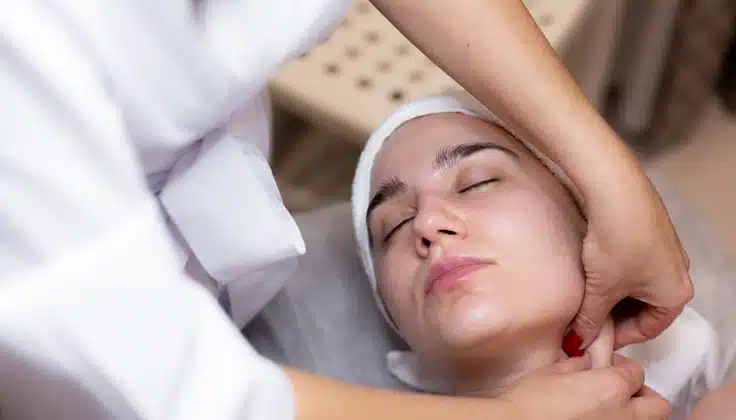
Lymphatic face massage is best understood as a gentle fluid-movement technique, not another version of a conventional facial. Its appeal lies in its simplicity: light, deliberate movements can encourage lymphatic drainage, potentially reduce temporary puffiness, and leave the face looking more refreshed. For those looking for a face massage for glowing skin, it offers a different route from exfoliation or intensive skincare, and for someone interested in experiencing the technique professionally, Tattva Spa‘s LymphoGlow Rejuvenation brings targeted lymphatic facial massage together with head pressure-point work within its broader spa experience. The important expectation is realism. A lymphatic face massage can complement a skincare and wellness routine, but it is not a cure for persistent swelling or a replacement for medical care. When the goal is temporary de-puffing, relaxation, and a more refreshed appearance, however, its gentle approach makes it a distinctive facial treatment worth understanding.
FAQs
1. Will my face look less puffy immediately after a lymphatic face massage?
You may notice a less puffy and more refreshed appearance after the session, particularly if temporary fluid retention is contributing to facial swelling. The effect varies from person to person and is not permanent. If puffiness is persistent or unexplained, it is better to identify the underlying cause rather than rely on massage.
2. I have an important event coming up. How far in advance should I get a lymphatic face massage?
If you are considering lymphatic face massage before an event, you can schedule it close to the occasion if your skin generally responds well to massage. However, everyone’s response is different. If it is your first session, trying it before the event rather than immediately beforehand gives you a chance to see how your skin responds.
3. Can I choose a lymphatic face massage if I don’t want a deep-pressure facial?
Yes. Lymphatic face massage uses gentle, rhythmic movements rather than the stronger pressure associated with deep tissue techniques. This makes it an option for people who prefer a lighter facial experience. The treatment is focused more on encouraging fluid movement and relaxation than on working deeply into facial muscles.
4. What should I tell the therapist before my lymphatic face massage?
Mention any relevant health conditions, recent procedures, medications, skin concerns, allergies, or areas of facial discomfort before the treatment begins. This information helps the therapist understand whether the treatment is appropriate for you. Tattva’s spa experience includes a wellness consultation, providing an opportunity to discuss your requirements before the therapy.
5. Can I combine LymphoGlow Rejuvenation with another spa treatment?
Yes, depending on the treatment and location. Tattva’s LymphoGlow Rejuvenation is listed as a service enhancement, combining head pressure-point activation with targeted lymphatic face massage. This allows the facial technique to complement a broader spa experience rather than requiring you to choose it as a completely separate facial.
Popular Blogs