Login
Login
Massage and Weight Loss: What Spa Therapy Can and Cannot Do?
Massage is often marketed as a shortcut to weight loss, but the reality is more nuanced. While massage does not directly burn fat as exercise does, it supports recovery, circulation, stress reduction, and consistency within healthier routines. This blog explores how massage for weight loss in India actually works, where spa therapy fits into structured wellness routines, and what massage can realistically contribute to long-term weight management.
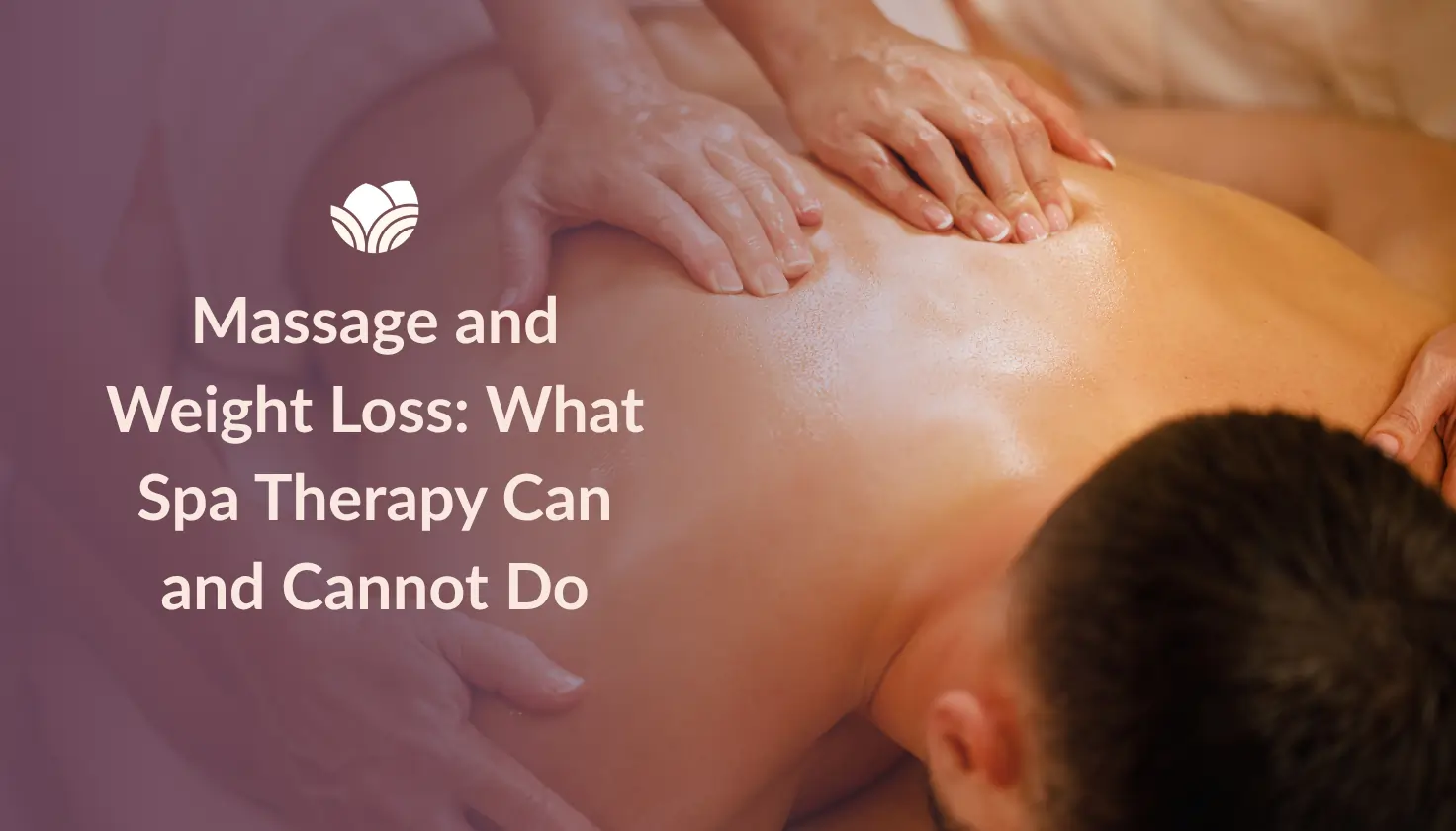
The idea that massage can help with weight loss sounds appealing because it appears effortless. No intense workout, no exhausting routine, and no visible strain. This is one reason massage therapies are often linked to slimming, detoxification, or inch-loss claims across wellness spaces.
However, most discussions around this topic become misleading because they confuse temporary physical changes with actual fat loss. Massage is not a replacement for exercise or nutrition. It does not create the calorie deficit required for weight reduction.
At the same time, dismissing the message entirely would also be inaccurate. The real value of massage for weight loss in India lies in how it supports the systems connected to recovery, stress regulation, sleep quality, and exercise consistency.
When used correctly within a broader wellness routine, massage can become a supportive tool rather than a standalone solution.
How Weight Loss Actually Works?
Before discussing massage therapies, it is important to understand what causes weight loss in the first place.
Weight loss happens when the body burns more calories than it consumes over time. This calorie deficit forces the body to use stored fat as energy. Nutrition, physical activity, metabolism, hormones, sleep quality, and stress all influence this process.
A massage does not directly burn significant calories. A typical massage session burns very little energy compared to structured exercise. This means massage alone cannot create meaningful fat loss.
What massage can do is support the systems that make sustainable weight management easier. Recovery improves. Stress reduces. Sleep quality often improves. Muscular soreness becomes easier to manage. These factors indirectly influence how consistently people maintain healthier routines.
Does Massage Help Lose Weight?
The answer is yes, but only indirectly.
When people ask, “Does massage help lose weight?”, they are often expecting direct fat reduction. Massage does not melt fat or replace exercise. However, it contributes to weight management through several supportive mechanisms.
Massage therapies help reduce physical stress and muscular fatigue. They improve circulation and recovery after workouts. Some therapies also support lymphatic movement and reduce temporary bloating or water retention.
Most importantly, massage helps regulate stress. Chronic stress increases cortisol levels, which are associated with cravings, poor sleep quality, emotional eating, and fat storage, particularly around the abdomen. By helping the body shift into a more relaxed state, massage may indirectly support healthier weight management behaviours over time.
This is where body massage weight management becomes relevant. The role of massage is supportive rather than transformative on its own.
Circulation, Recovery, and Consistency
One of the most established benefits of massage is improved blood circulation. Better circulation helps oxygen and nutrients move more efficiently through muscles and tissues.
This becomes particularly useful for people who exercise regularly. Faster muscular recovery often means less soreness, better mobility, and more consistent workout routines.
According to the American Massage Therapy Association, massage therapy may help support exercise recovery and reduce post-workout soreness. While this does not directly cause fat loss, it supports the consistency required for sustainable fitness routines.
In practical terms, recovery influences motivation. When the body feels less stiff and exhausted, maintaining physical activity becomes easier over time.
Stress, Recovery, and Physical Wellness
Stress plays a much larger role in physical recovery than most people realise. Chronic stress affects sleep quality, energy levels, concentration, appetite regulation, and muscular recovery simultaneously.
According to the American Psychiatric Association, 53% of adults report that stress significantly affects their mental health, while 40% specifically identify sleep disruption as one of the major consequences of stress. This connection between stress and recovery is one reason wellness therapies are increasingly becoming part of structured self-care routines rather than occasional indulgences.
Massage therapies help activate the parasympathetic nervous system, which supports relaxation and recovery. Over time, consistent recovery periods often help people feel physically lighter, mentally calmer, and less overwhelmed by prolonged stress accumulation.
Lymphatic Drainage and Temporary Inch Loss
One of the biggest misconceptions around massage therapies comes from temporary inch-loss claims.
The lymphatic system helps remove excess fluid and waste products from the body. Unlike the circulatory system, it does not have its own pump and relies on movement and external stimulation. Certain massage techniques may help support lymphatic movement and reduce temporary water retention.
This is often why people feel lighter or appear less bloated after a massage session. However, this is not the same as fat loss. The reduction usually comes from fluid movement rather than an actual reduction in body fat percentage.
Understanding this distinction is important because many spa and slimming claims exaggerate temporary visual changes as permanent fat reduction.
Massage Therapies at Tattva Wellness Spa
Tattva Wellness Spa offers several therapies designed around recovery, relaxation, circulation improvement, and muscular wellness. These therapies support the broader role massage can play within structured wellness routines.
The Deep Tissue Massage focuses on reducing muscular stiffness and deeper adhesions using targeted pressure techniques and varying massage intensities. This therapy is especially useful for sedentary work fatigue, exercise-related soreness, and chronic muscular tightness.
Price: ₹4,000 for 60 minutes | ₹6,000 for 90 minutes
The Swedish Massage uses medium-pressure, long, kneading strokes designed to improve blood circulation and help the body recover after stress-heavy routines.
Price: ₹3,800 for 60 minutes | ₹5,700 for 90 minutes
The Indian Abhyanga Massage combines Ayurvedic massage techniques with herbal oils to support circulation, reduce body fatigue, and encourage overall relaxation.
Price: ₹3,800 for 60 minutes | ₹5,700 for 90 minutes
The Jetlag Recovery Massage is designed for people experiencing fatigue, sluggishness, dehydration, and exhaustion caused by travel or physically demanding schedules.
Price: ₹6,200 for 90 minutes
Please note that prices are subject to change and may vary across Tattva Wellness Spa locations. For price-related queries or to enquire about bookings, please call our customer care at +91 9999120413 or visit www.tattvaspa.com.
Spa Therapy and Fitness Work Better Together
Instead of viewing massage as a shortcut to weight loss, it is more useful to view it as part of a larger wellness system.
Exercise supports calorie expenditure and fitness. Nutrition supports energy balance and recovery. Massage supports circulation, muscular recovery, stress management, and relaxation. Together, these systems work more effectively than any one element alone.
This is where spa therapy and fitness become complementary rather than competing ideas. Recovery is often the missing component in many fitness routines.
Ayurvedic Approaches to Wellness and Weight Balance
In India, massage therapies have long been connected to Ayurvedic wellness traditions. Treatments like Abhyanga focus on circulation, relaxation, nourishment, and balancing the body through herbal oils and rhythmic massage techniques.
The Ayurvedic approach generally focuses more on long-term balance and recovery rather than rapid weight reduction. This aligns more closely with modern wellness thinking around sustainable recovery and lifestyle support.
What A Massage Cannot Do?
It is equally important to understand the limitations of massage therapies.
Massage cannot burn significant calories, permanently reduce fat, replace exercise, compensate for poor nutrition, or target fat loss in specific areas of the body. Any claim suggesting otherwise should be approached carefully.
The most realistic way to understand massages is as a recovery and wellness support tool rather than a direct fat-loss mechanism.
Wellness Memberships for Long-Term Consistency
For guests looking to make wellness a more regular part of their lifestyle, Tattva Wellness Spa also offers membership programmes with added spa value, savings, and extended validity periods.
| Membership Type | Price | Benefits | Validity |
|---|---|---|---|
| Simpli Spa Membership | ₹14,160 | Includes 6 Swedish Massage or Deep Tissue Massage sessions | 4 Months |
| Peace Membership | ₹18,900 | Receive ₹24,000 in spa value with 25% effective savings | 8 Months |
| Serenity Membership | ₹25,200 | Receive ₹36,000 in spa value with 33% effective savings | 12 Months |
| Tranquility Membership | ₹41,580 | Receive ₹72,000 in spa value with 45% effective savings | 18 Months |
These memberships are shareable with friends and family, making them ideal for regular spa-goers, couples, and professionals looking to make wellness a more consistent part of their lifestyle.
Please note that prices are subject to change and may vary across Tattva Wellness Spa locations. For price-related queries or to enquire about bookings, please call our customer care at +91 9999120413 or visit www.tattvaspa.com.
Spa Gifting for Wellness and Self-Care
Wellness gifting has become increasingly popular as more people move towards experience-led self-care rather than conventional gifting options. Tattva Wellness Spa offers spa gifting experiences that are suitable for birthdays, anniversaries, festive occasions, corporate gifting, and personal wellness moments.
Guests can choose from different gift card denominations and share relaxation-focused experiences across participating Tattva Wellness Spa locations in India. For many people today, gifting recovery, relaxation, and wellness feels more thoughtful and practical than traditional material gifts.
Final Thoughts
Massage is often misunderstood in conversations around weight loss. It is not a shortcut, a replacement for exercise, or a direct fat-burning therapy.
However, massage is far from irrelevant. When integrated into a broader wellness routine, massage for weight loss in India can support recovery, reduce stress, improve circulation, enhance sleep quality, and make healthier habits easier to maintain consistently.
The most sustainable results usually come from balance rather than extremes. In that larger system, massage works best as a supportive wellness practice that helps the body function and recover more effectively over time.
Quick Questions Answered
Does massage help lose weight?
Massage supports weight management indirectly through stress reduction, recovery improvement, and relaxation, but it does not directly burn fat.
Can massage reduce belly fat?
No. Spot reduction through massage is not scientifically supported.
Is massage enough for weight loss?
No. Sustainable weight loss requires proper nutrition, physical activity, recovery, and consistency.
Which massage works best for recovery after workouts?
Deep Tissue Massage is commonly preferred for muscular recovery and post-workout stiffness.
Does lymphatic massage reduce body weight?
Lymphatic therapies may temporarily reduce water retention and bloating, but they do not directly reduce body fat.
Popular Blogs