Login
Login
Massage for Runners: Why Does Recovery Matter More Than Most Training Plans?
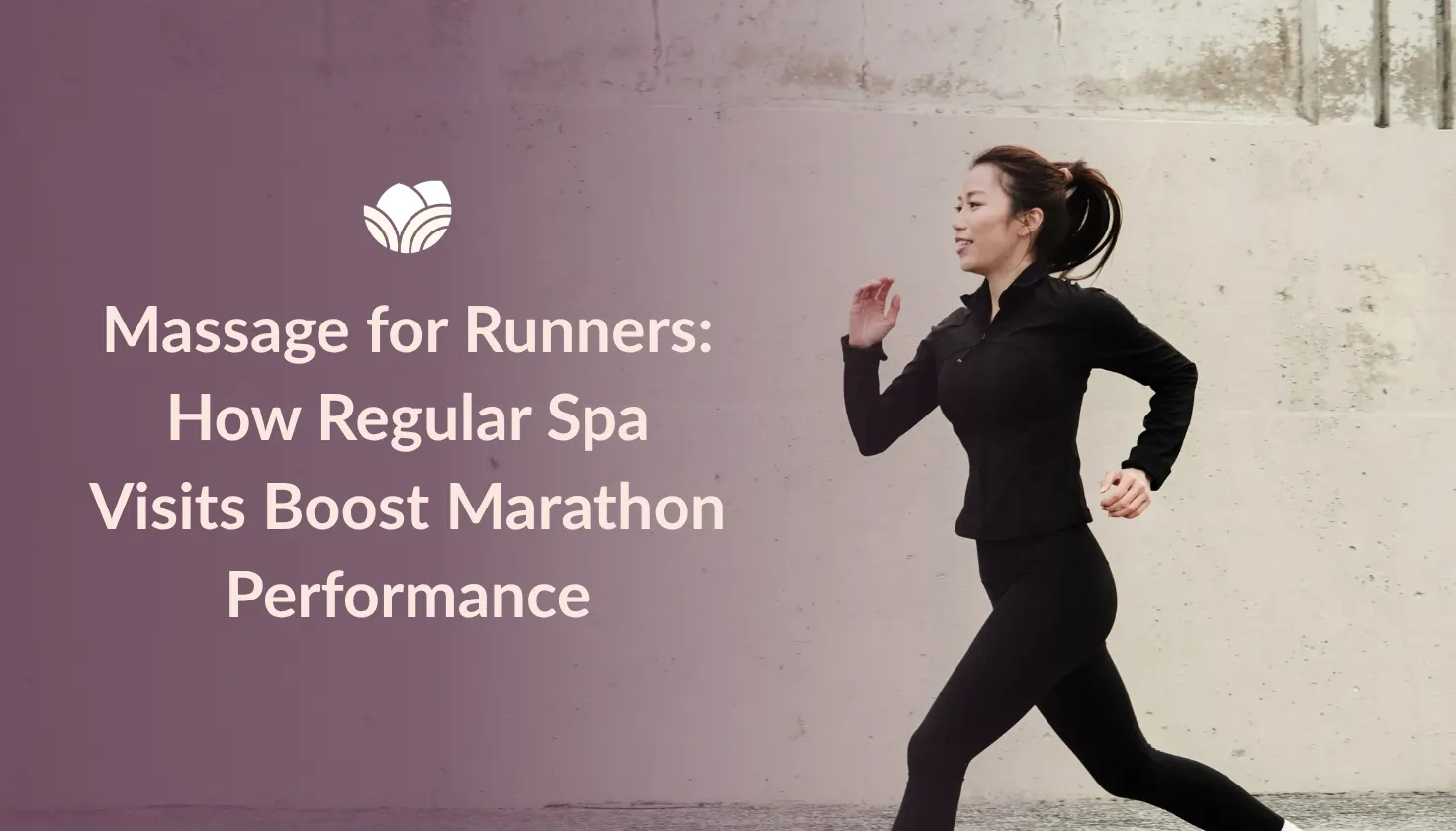
Running is one of the simplest forms of exercise. It is also one of the most physically demanding.
Every stride creates impact across the feet, calves, knees, hips, and lower back. Over the course of a short run, this stress may feel manageable. Over weeks and months of consistent training, however, the body absorbs thousands of repetitive impacts that gradually begin affecting muscle recovery, flexibility, and joint mobility.
Most runners pay close attention to distance, pace, heart rate, hydration, and nutrition. Recovery, however, is often treated as secondary. That is where problems usually begin.
A body that trains continuously without proper recovery does not keep improving indefinitely. Eventually, muscular fatigue accumulates faster than the body can repair itself. Tightness increases, movement quality decreases, and injuries become more likely.
This is one reason why a structured massage for runners in India is increasingly becoming part of serious training routines rather than an occasional indulgence.
Why Does Recovery Matter More Than Most Runners Realise?
Training only creates stress. Recovery is what allows adaptation.
When runners push the body through repeated training cycles, microscopic damage develops within muscle fibres. This is a normal part of endurance training and one of the ways the body gradually becomes stronger. However, without sufficient recovery, the body remains stuck in a constant state of muscular fatigue rather than progressing efficiently.
Research published in the National Library of Medicine found that nearly 37-56% of recreational runners experience injuries every year, with overuse and insufficient recovery being major contributing factors.
Another review published in the International Journal of Sports Physical Therapy highlighted how massage therapy may help reduce post-exercise soreness and improve flexibility following intense physical activity.
This is why recovery is not separate from performance. It directly influences it.
What Happens to the Body During Running?
Running creates a repetitive loading pattern that affects multiple muscular and connective tissue groups simultaneously.
The calves continuously absorb shock during impact. The hamstrings and quadriceps manage propulsion and stability. The glutes work to maintain movement efficiency, while the lower back and hips stabilise posture throughout the run.
Over time, this creates several predictable effects. Muscular tightness develops gradually as tissues remain under repeated strain. Circulation becomes restricted in overworked areas, slowing recovery. Flexibility decreases, affecting stride efficiency and movement quality. Micro-fatigue accumulates within connective tissues, increasing injury risk, while mental fatigue also builds during high-mileage training cycles.
The body can adapt to this stress remarkably well, but only if recovery mechanisms remain consistent.
Why Are Massages Valuable for Runners?
A structured running recovery massage directly supports the muscular systems most heavily affected by endurance training.
Massage therapy helps improve circulation, allowing oxygen and nutrients to reach fatigued muscles more effectively. Improved blood flow also assists the body in removing metabolic waste and reducing muscular soreness after high-intensity sessions.
Equally important is the effect massage has on muscular tightness. Runners often lose mobility gradually without noticing it. Tight calves shorten stride efficiency, restricted hips alter movement patterns, and stiff hamstrings place additional strain on surrounding joints.
Massage therapy helps maintain healthier tissue mobility, allowing the body to move more efficiently and with less compensatory strain.
Many runners also underestimate the mental aspect of recovery. Endurance training creates neurological fatigue alongside physical stress. Massage therapy helps calm the nervous system, allowing the body to shift out of prolonged stress states more effectively.
Which Massage Therapies Work Best for Runners at Tattva Wellness Spa?
At Tattva Wellness Spa, several therapies are particularly suitable for runners and endurance-focused individuals. The therapies and descriptions are drawn from the Tattva hardbound wellness menu.
Deep Tissue Massage
Among the most effective therapies for runners is the Deep Tissue Massage, which the Tattva menu describes as a therapy designed to reduce adhesions and muscle stiffness using varying pressure and distinct massage points.
This therapy is especially beneficial for runners dealing with persistent calf tightness, hamstring stiffness, hip tension, lower-back fatigue, and muscular knots created by repetitive impact. The deeper pressure helps release chronic tightness that develops through repetitive training cycles and long-distance running.
Sports Therapy
The Tattva menu describes Sports Therapy as a combination of massage and yoga stretches involving both dry and oil-based techniques, along with acupressure movements and stretching.
This therapy works particularly well for runners because it combines muscular recovery with mobility improvement. The stretching component helps improve range of motion, while the massage component supports recovery and muscular release.
Swedish Massage
For runners experiencing overall fatigue or recovery exhaustion rather than deep muscular tightness, Swedish Massage is often highly effective.
The medium-pressure long strokes used in the therapy help improve circulation, reduce fatigue, and calm the nervous system without placing excessive pressure on already-stressed muscles.
Foot Reflexology and Back Massage
Running stress rarely stays isolated to the legs alone. The feet absorb continuous impact while the lower and upper back compensate for posture and movement stability.
Focused therapies such as Foot Reflexology and Back Massage can therefore be particularly useful during heavier training phases or after long-distance events.
| Therapy | Price in Menu | Duration |
|---|---|---|
| Swedish Massage | ₹3,800 | ₹5,700 | 60 | 90 minutes |
| Deep Tissue Massage | ₹4,000 | ₹6,000 | 60 | 90 minutes |
| Sports Therapy | ₹6,000 | 90 minutes |
| Foot Reflexology | ₹2,300 | 30 minutes |
| Back Massage | ₹2,300 | 30 minutes |
| Head Massage | ₹2,000 | 30 minutes |
Please note that prices are subject to change. For price-related queries or to enquire about bookings, please call our customer care at +91 9999120413 or visit Tattva Wellness Spa.
Why Does Leg Recovery Deserve More Attention?
For runners, lower-body recovery is critical.
The calves, hamstrings, quadriceps, glutes, and hip stabilisers absorb repeated loading throughout every run. Over time, neglected recovery in these areas can gradually reduce running efficiency even before pain becomes obvious.
A structured leg massage runner in India session focuses specifically on improving mobility and reducing accumulated fatigue in these high-impact muscle groups.
When muscles recover more efficiently, runners often experience smoother movement patterns, improved flexibility, reduced soreness between sessions, and better overall consistency during training cycles.
Which Common Running Injuries Are Linked to Poor Recovery?
Many running injuries develop gradually rather than suddenly.
Conditions such as shin splints, runner’s knee, IT band irritation, Achilles tightness, and calf strain often begin as small movement imbalances or unresolved muscular fatigue patterns that worsen over time.
According to sports medicine studies, nearly 70% of runners experience some form of overuse injury during their running lifetime, making recovery management critical for long-term consistency.
Massage therapy does not replace medical care or physiotherapy when injuries become serious.
However, a consistent running recovery massage routine may help reduce the likelihood of these problems developing by improving tissue flexibility and reducing chronic muscular tension before it escalates.
How Can Runners Integrate Massage Into Marathon Preparation?
Marathon training places sustained stress on the body over long periods. Recovery, therefore, becomes increasingly important as mileage rises.
A well-structured marathon preparation spa routine usually works best when integrated consistently rather than booked only after exhaustion sets in.
Many runners benefit from weekly massage sessions during high-mileage periods, while others prefer scheduling recovery sessions after particularly demanding long runs. Lighter massage sessions closer to race day may also help improve circulation and muscular readiness without creating excessive soreness.
Consistency matters far more than intensity.
Why Is Recovery Also Mental?
Most runners associate fatigue only with the body. Endurance training, however, also creates neurological and emotional fatigue.
Constant training schedules, performance goals, early-morning runs, and physical exhaustion place stress on the nervous system over time.
Recovery, therefore, needs to address both muscular repair and mental decompression.
Massage therapy creates a controlled recovery environment where the body can shift away from continuous physical stress and into a calmer physiological state.
This is one reason many athletes report feeling mentally sharper and emotionally lighter after consistent recovery sessions.
Tattva Wellness Spa Membership Options
For runners looking to make recovery a regular part of their routine rather than an occasional activity, Tattva Wellness Spa also offers structured membership programmes.
| Membership Type | Price | Benefits | Validity |
|---|---|---|---|
| Simpli Spa Membership | ₹14,160 | Includes 6 Swedish Massage or Deep Tissue Massage sessions | 4 Months |
| Peace Membership | ₹18,900 | Receive ₹24,000 in spa value with 25% effective savings | 8 Months |
| Serenity Membership | ₹25,200 | Receive ₹36,000 in spa value with 33% effective savings | 12 Months |
| Tranquility Membership | ₹41,580 | Receive ₹72,000 in spa value with 45% effective savings | 18 Months |
These memberships are shareable with friends and family, making them suitable for individuals looking to integrate recovery and wellness more consistently into their lifestyle.
Please note that prices are subject to change. For price-related queries or to enquire about bookings, please call our customer care at +91 9999120413 or visit Tattva Wellness Spa.
Final Thoughts
Running places extraordinary demands on the body over time. The challenge is not only training harder. It is recovering well enough to continue progressing consistently.
A structured massage for runners in India routine supports recovery by improving circulation, reducing muscular fatigue, maintaining mobility, and helping the body adapt more effectively to repetitive training stress.
At Tattva Wellness Spa, therapies are designed not only for relaxation but also for sustainable physical recovery through structured wellness practices and targeted muscular care.
For runners training seriously, recovery should never be treated as optional or reactive.
It should be planned with the same discipline as training itself.
Quick Questions Answered
Does massage improve running performance?
Indirectly, yes. Massage supports better recovery, improved flexibility, reduced muscular tightness, and lower fatigue accumulation, all of which contribute to more consistent performance over time.
Is a massage useful for beginner runners?
Absolutely. Beginners often experience muscular soreness and movement imbalances as the body adapts to running. Recovery-focused massage can help reduce discomfort and support better adaptation.
How often should runners get a massage?
The ideal frequency depends on training intensity. During heavier training phases, weekly or twice-monthly sessions are often beneficial.
Is Deep Tissue Massage always necessary for runners?
Not always. Some runners benefit more from moderate-pressure therapies like Swedish Massage, depending on fatigue levels and recovery requirements.
Can massage replace stretching and recovery routines?
No. Massage works best when combined with proper hydration, mobility work, stretching, nutrition, and sleep.
Popular Blogs

 Best Spa in Kharadi Pune: Recovery Spaces Inside Pune’s Fastest-Growing IT Corridor