Login
Login
Steam Bath vs Sauna: Health & Skin Benefits for Wellness
Steam baths and saunas both use heat to promote relaxation, but they work differently. A steam bath uses humid heat that can soften the skin, increase surface circulation, and provide temporary comfort when nasal passages feel dry or congested. A sauna uses hotter, dry air and produces a stronger cardiovascular response, with more research supporting its potential circulation and cardiovascular benefits. Neither should be considered a detox treatment, as the liver and kidneys perform the body’s primary detoxification functions. The right choice depends on heat tolerance, personal preference, and wellness goals. Both can be useful additions to a balanced wellness routine.
A hot, humid steam room and a dry, heated sauna can both leave you sweating within minutes. That similarity often makes them seem like two versions of the same experience. The difference between them is primarily the way heat reaches the body. A steam bath uses hot, humid air, while a traditional sauna relies on much hotter, dry air. That difference affects how quickly sweat evaporates, how the skin feels, and how the body responds to heat. For someone considering a session after a long day at work, following a workout, or simply as part of a wellness routine, the choice between the two comes down to more than preference. So, when it comes to steam bath vs sauna, which one offers greater health and skin benefits?
How Does a Steam Bath Work?

A steam bath fills an enclosed space with warm water vapour, creating an environment with very high humidity. Because the air is already saturated with moisture, sweat does not evaporate as quickly from the skin. This creates the characteristic feeling of being surrounded by warm, moist heat. The experience can be particularly comfortable for people who prefer humid environments. Moist heat may also temporarily make nasal passages feel less dry or congested, although it should not be considered a treatment for respiratory illness. The skin responds to the warmth as well. Blood vessels near the surface dilate, increasing skin blood flow, while the humid environment can leave the outer layer of the skin feeling softer immediately after exposure.
How is a Sauna Different from a Steam Bath?
A sauna and a steam bath both use heat to promote relaxation and sweating, but they differ mainly in temperature and humidity. A traditional sauna uses higher temperatures with relatively low humidity, creating a dry heat that allows sweat to evaporate more easily. In contrast, a steam bath uses lower temperatures with very high humidity, filling the room with moist heat and making the air feel warmer. The body responds to both forms of heat by increasing blood flow to the skin, dilating blood vessels, and raising heart rate as it works to regulate body temperature. The main difference is therefore the type of heat: a sauna provides dry heat, while a steam bath provides moist heat. Choosing between them often comes down to personal comfort and preference.
Steam Bath vs Sauna: What Happens to Circulation?
Both forms of heat increase circulation to the skin, but the intensity and research evidence are different. Sauna bathing produces a substantial cardiovascular response. A meta-analysis of sauna studies found short-term increases in heart rate and body temperature, along with reductions in blood pressure immediately after treatment. Heat therapy more broadly has also been associated with improvements in measures of peripheral vascular function and reductions in blood pressure, although the evidence is not uniform across all studies. Steam rooms produce a similar basic response to heat, particularly increased skin blood flow, but there is considerably less clinical research specifically examining steam-room use. That distinction matters. Both can feel relaxing and warming, but the scientific evidence should not be presented as though they are interchangeable.
Which Is Better for Respiratory Comfort?
This is where steam has a practical advantage for some people. The high humidity can make dry nasal passages feel more comfortable and may temporarily loosen mucus, which can make breathing feel easier when congestion is present. However, steam does not cure a cold, infection, asthma, or another respiratory condition. Anyone with a respiratory disorder should follow medical advice rather than relying on heat exposure as treatment. Saunas, meanwhile, have been studied in relation to respiratory health, with some observational research suggesting an association between regular sauna bathing and lower respiratory disease risk. That research is interesting, but it does not mean a sauna should be considered a medical treatment.
How Spa Treatments Benefit Your Skin

The effect of heat on the skin is often oversimplified.
What Steam Can Do for the Skin
The humid environment of a steam room can soften the outermost layer of the skin and make it feel temporarily more supple. Heat also increases blood flow near the skin’s surface, which explains the warm, flushed appearance that can follow a session. However, sweating does not “clean out” pores in the way that is sometimes claimed. A steam bath should complement—not replace—regular cleansing and skincare.
What Sauna Heat Can Do
Sauna heat also increases skin blood flow and causes sweating. Interestingly, a controlled study examining regular Finnish sauna exposure found improved skin-barrier function and increased water-holding capacity in the outer layer of the skin among regular sauna users. That does not mean a sauna is automatically better for every skin type. Prolonged heat exposure can leave some people feeling dry, particularly if they do not replace fluids or care for the skin afterwards.
Does Sweating Actually Detox the Body?
This is perhaps the biggest misconception surrounding both experiences. Sweating is a normal thermoregulatory process. It helps the body release heat. It is not the body’s primary detoxification system. The liver and kidneys perform the major work of processing and eliminating metabolic waste and many unwanted substances. A steam bath or sauna cannot replace those functions. What heat can provide is a temporary increase in sweating, circulation, relaxation, and the sensation of physical release. That is enough to make a heat session valuable without attributing benefits to it that science does not support.
Which One Should You Choose?
There is no universal winner in the steam bath vs sauna comparison. A steam bath may be the better choice if you enjoy humid heat, prefer a gentler-feeling environment, or want the temporary comfort that moist air can provide when your nose feels dry or congested. A sauna may suit you if you prefer dry, intense heat and are interested in the physiological response associated with traditional sauna bathing. Your own tolerance is important too. Heat affects everyone differently, and longer or hotter sessions are not necessarily better.
Where Tattva Spa Fits In
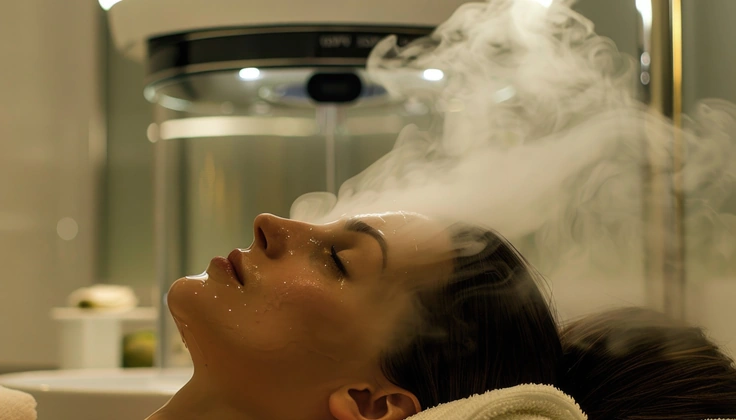
For someone who prefers to combine heat with a massage rather than treating it as a separate activity, Tattva Spa offers Steam Oasis as a service enhancement. Ten minutes of steam is complimentary with massage therapies lasting 60 minutes or more, while the Steam Oasis add-on can be selected for a longer steam experience. This makes sense after a demanding day. Consider a traveller arriving at a hotel after several hours on the road, or a professional spending the day moving between meetings. The body may not need another activity; it may simply need a period of controlled warmth and quiet. Adding steam after a massage can turn that final part of the appointment into a slower transition back into the day. Sauna availability, however, varies by Tattva location, so guests interested specifically in a sauna should check the facilities available at their chosen spa before booking.
Final Thoughts
The choice between steam and sauna is not really about finding a winner. It is about understanding what each form of heat actually does. Steam surrounds the body with humid warmth and may be particularly appealing for people who enjoy moist heat and temporary respiratory comfort. Sauna bathing produces a much hotter, drier environment and has a larger body of research examining its cardiovascular effects. Both can be useful parts of a sensible wellness routine when used appropriately. And sometimes, the simplest reason to choose either one is also the most relevant: after a long day, there is value in stepping away from the noise, sitting in the warmth for a while, and giving the body time to slow down.
FAQs
1. I have had a long day of travelling. Should I choose a steam bath or a sauna?
If you feel physically tired after a long journey, either can help you unwind. Choose steam if you prefer warm, humid air, particularly when travel has left you feeling dry or congested. If you enjoy intense, dry heat, a sauna may feel more comfortable. Your personal heat tolerance matters most.
2. Will a steam bath make my skin look better immediately?
Steam can temporarily make your skin feel softer because humid heat increases moisture around the skin’s surface. It also increases blood flow, which can create a fresh, flushed appearance. However, steam is not a substitute for cleansing or skincare, and the effect should be viewed as temporary rather than a treatment for skin problems.
3. I sweat a lot in the sauna. Does that mean my body is detoxing?
Not exactly. Sweating is primarily the body’s way of regulating temperature, while the liver and kidneys perform most of the body’s detoxification work. A sauna can make you sweat considerably and may leave you feeling refreshed afterwards, but it should not be considered a replacement for the body’s natural detoxification processes.
4. Can I use steam after a massage, or is that too much heat?
A short steam session can be a natural way to extend the relaxation of a massage, provided you tolerate heat well and follow the spa’s guidance. Tattva’s services includes Steam Oasis as an enhancement, with 10 minutes of steam complimentary with massage therapies lasting 60 minutes or more.
5. I don’t like very hot, dry rooms. Would steam be more comfortable for me?
Possibly. Steam rooms use humid heat, so the experience feels different from the intense, dry heat of a traditional sauna. If you find dry heat uncomfortable, you may prefer the enclosed warmth of steam. However, humidity can also make the heat feel intense, so start with a short session and see how your body responds.
6. Can I use a sauna or steam bath if I have a health condition?
Heat exposure is not suitable for everyone. If you have a cardiovascular condition, are pregnant, take medication that affects blood pressure or sweating, or have another medical concern, speak with your doctor before using a sauna or steam room. Stop immediately if you feel dizzy, faint, unusually weak, or unwell.
Popular Blogs