Login
Login
Swedish Massage During Monsoon: Why is the Rainy Season the Best Time for a Spa Visit?
The monsoon season brings welcome relief from the summer heat, but it can also leave many people feeling physically sluggish, mentally drained, and more prone to muscular stiffness. This article explores why a Swedish massage during monsoon is particularly beneficial, how seasonal weather affects the body, and why a professional monsoon spa visit can become an important part of maintaining overall wellbeing during the rainy months.
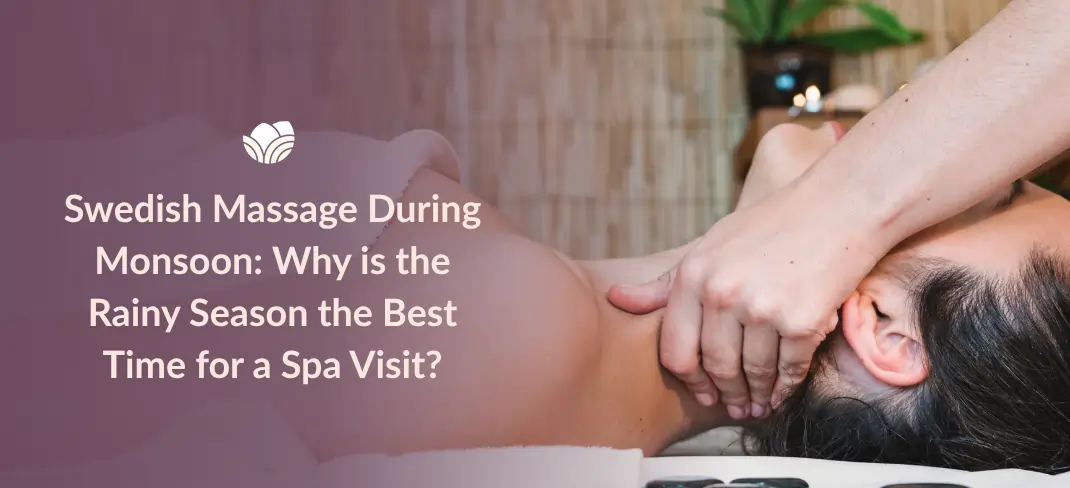
There is something about the first rain of the season that changes the rhythm of everyday life. The air cools, familiar streets appear quieter, and the intensity of the summer months begins to fade. While many people welcome this seasonal shift, the monsoon often introduces its own set of challenges that are less obvious but equally significant.
Physical heaviness, muscular stiffness, low energy levels, disrupted routines, and difficulty unwinding are all common experiences during prolonged periods of rain and humidity. This is precisely why a Swedish massage during monsoon can be far more than a seasonal indulgence. It becomes a practical wellness experience that helps the body adapt more comfortably to the changing environment.
Why Does the Monsoon Affect the Body?
The transition from summer into the rainy season creates several subtle changes within the body. Humidity levels rise significantly, outdoor movement often decreases, and many people find themselves spending longer periods indoors.
Reduced physical activity combined with fluctuating temperatures can contribute to feelings of sluggishness and muscular discomfort, particularly around the neck, shoulders, lower back, and legs. At the same time, extended periods of cloudy weather may influence mood and energy levels, making people feel less motivated than usual.
Many individuals also notice changes in sleep quality during the monsoon. Variations in temperature, increased humidity, and disruptions to daily routines can make it harder to achieve consistently restorative sleep. Over time, these factors combine to create a feeling of physical and mental fatigue that gradually builds throughout the season. Rather than waiting for these symptoms to pass on their own, many people now actively seek wellness experiences that support recovery and relaxation during this period.
What Is a Swedish Massage?
A Swedish massage is one of the most recognised and widely practised massage therapies in the world. The treatment uses a combination of long gliding strokes, kneading movements, rhythmic tapping techniques, and gentle muscle manipulation to encourage relaxation and improve circulation throughout the body.
Unlike therapies that focus on deeper layers of muscle tissue, Swedish massage is designed to create an overall sense of ease while addressing common areas of tension that develop through everyday activities.
The therapy is particularly well suited to guests who are looking for relaxation rather than intensive corrective bodywork. Because of its gentle and adaptable nature, Swedish massage is often recommended for first-time spa visitors as well as regular wellness enthusiasts seeking a restorative experience.
Why Is a Swedish Massage During Monsoon Particularly Beneficial?
One of the primary reasons people choose a Swedish massage during monsoon is because the treatment directly addresses several of the discomforts commonly associated with the season.
The long flowing movements used during the massage help encourage healthy circulation, which can be especially beneficial when cooler weather and reduced movement leave muscles feeling tight or heavy. Improved circulation supports the delivery of oxygen and nutrients throughout the body while creating a pleasant feeling of warmth and lightness.
The kneading techniques used during Swedish massage can also help release accumulated muscular tension that develops from long periods of sitting indoors.
For professionals working from home, individuals spending extended hours at a desk, or anyone navigating a more sedentary monsoon routine, this can create a noticeable sense of physical relief. The treatment also encourages the body to shift away from a heightened state of alertness and into a calmer, more restorative mode, helping guests feel mentally refreshed as well as physically relaxed.

Why a Monsoon Spa Visit Feels Different?
There are certain times of the year when a spa experience feels especially rewarding, and the monsoon season is undoubtedly one of them. A professional spa environment provides a level of comfort and tranquillity that contrasts beautifully with the grey skies and persistent rainfall outside. Warm treatment rooms, soothing aromas, calming music, and dedicated time away from screens and responsibilities all contribute to a deeper sense of relaxation.
A monsoon spa visit also offers something that many people struggle to create at home: uninterrupted recovery time. While self-care routines are valuable, the structured environment of a spa encourages guests to fully disengage from work, notifications, and daily obligations. This separation can have a meaningful impact on how restorative the overall experience feels.
At Tattva Wellness Spa, guests can choose from a range of wellness therapies that complement the slower pace of the rainy season. Swedish massage remains one of the most popular choices because it combines relaxation, comfort, and accessibility in a way that appeals to a wide range of visitors.
Who Can Benefit Most from a Swedish Massage During Monsoon?
The appeal of Swedish massage extends across different lifestyles and age groups, but certain individuals often notice its benefits more prominently during the rainy months. Office professionals frequently experience neck and shoulder tension from long hours spent working at computers, while reduced movement during rainy weather can make stiffness feel more pronounced.
Regular exercisers may also find that humidity and changes in routine affect their recovery process, making relaxation therapies a useful complement to their fitness habits.
Individuals who find themselves feeling mentally fatigued during extended periods of cloudy weather often appreciate the opportunity to slow down and reset. Even people who are not experiencing any specific discomfort may simply enjoy the sense of balance and calm that comes from dedicating time to personal wellbeing during a season that naturally encourages reflection and rest.
How to Make the Most of Your Monsoon Spa Visit?
A few thoughtful choices can make a spa experience feel even more rewarding during the rainy season. Scheduling a treatment in the evening often enhances the sense of contrast between the busy outside world and the calm atmosphere within the spa. Arriving slightly early allows time to settle in mentally before the treatment begins, helping guests transition more effectively into a relaxed state.
Staying hydrated before and after the session supports overall wellbeing and complements the relaxing effects of the massage. If additional wellness facilities are available, such as steam rooms or relaxation lounges, spending a little extra time unwinding after the treatment can extend the benefits of the experience.
The monsoon naturally encourages people to slow down, and embracing that slower pace often makes the entire wellness journey more meaningful.
Final Thoughts
A Swedish massage during monsoon aligns naturally with the needs of the season. As rainfall, humidity, and changing routines influence both physical comfort and emotional wellbeing, taking time to prioritise recovery can make a noticeable difference. The combination of gentle muscle work, improved circulation, and deep relaxation makes Swedish massage one of the most appropriate therapies for this time of year.
Whether you are experiencing muscular tension, seasonal fatigue, or simply looking for a reason to pause and recharge, a thoughtfully planned monsoon spa visit offers an opportunity to support your wellbeing while embracing the quieter rhythm that the rainy season brings.
FAQs
1. Why do muscles often feel stiffer during the monsoon?
Many people become less physically active during rainy weather, spending more time indoors and sitting for longer periods. Combined with fluctuations in temperature and humidity, this can contribute to muscular tightness and reduced flexibility. While the exact experience varies from person to person, stiffness in the neck, shoulders, and lower back is particularly common during the monsoon season.
2. Is Swedish massage suitable for first-time spa visitors?
Yes. Swedish massage is often considered one of the most approachable therapies for people who are new to spa treatments. The pressure can usually be adjusted according to individual comfort levels, and the focus remains on relaxation, circulation, and overall well-being rather than intensive muscular work.
3. Can a Swedish massage help me relax after long workdays?
Many guests choose Swedish massage specifically because it provides dedicated time away from work-related stress and daily responsibilities. The combination of therapeutic touch, a calming environment, and focused relaxation often helps people feel mentally refreshed and physically lighter after a session.
4. What should I wear during a Swedish massage session?
Professional spas provide appropriate guidance and draping protocols to ensure guest comfort, privacy, and dignity throughout the treatment. Guests are typically given spa attire or disposable garments depending on the spa’s operating procedures.
5. Does the monsoon season affect sleep quality?
Some individuals report changes in sleep quality during the monsoon due to factors such as humidity, changes in daily activity levels, and altered routines. While experiences vary, many people seek wellness therapies and relaxation practices during this season to support better rest and recovery.
6. How often should I schedule a Swedish massage during the rainy season?
The ideal frequency depends on your lifestyle, stress levels, and personal wellness goals. Some guests enjoy monthly sessions, while others prefer treatments every few weeks during particularly demanding periods. A qualified spa therapist can help recommend a schedule that aligns with your individual needs.
Popular Blogs
 Freedom From Fatigue: This Independence Day, Choose Recovery Over Another Sale Purchase


 Confused Between a Spa Day and a Vacation? Why a Spacation Is the Perfect City Getaway

 Monsoon Body Care: Why the Illuminating Face & Body Mask Is a July Essential?

 Raksha Bandhan 2026 Pre-Planning: Why an Abhyanga Massage Gift Works for Brothers and Sisters?