Login
Login
Why Foot Reflexology Is the Perfect Therapy for Tired Feet?
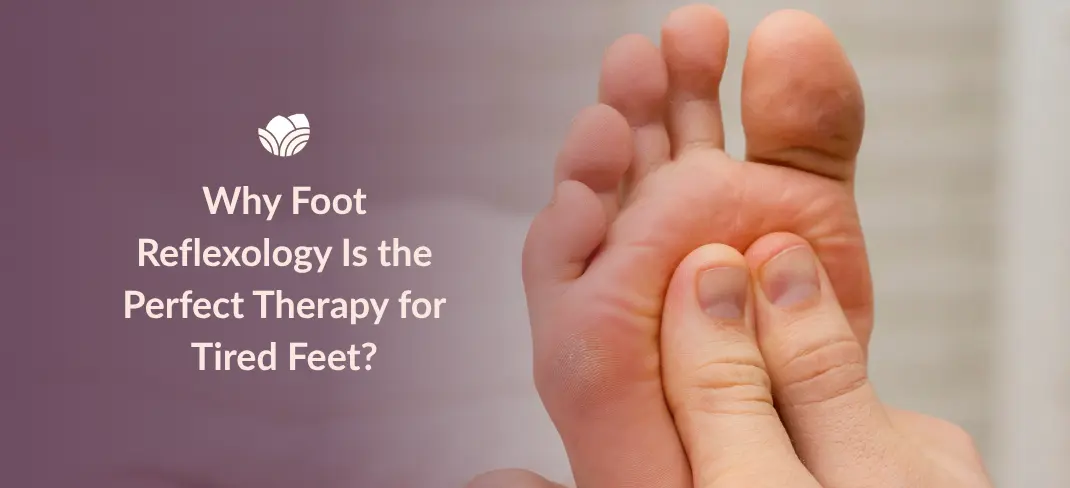
Foot reflexology is the perfect therapy for tired feet because it combines targeted massage techniques with traditional reflexology principles to relieve muscle fatigue, improve circulation, and promote whole-body relaxation. Unlike a regular foot massage, reflexology focuses on specific pressure points believed to correspond with different parts of the body, creating a deeply restorative experience. Whether your feet feel exhausted from standing, travelling, exercising, or long working hours, this therapy helps reduce discomfort while encouraging physical and mental rejuvenation. It is an ideal wellness treatment for anyone looking to restore comfort, improve mobility, and give their feet the care they deserve.
Have you ever noticed how your entire body feels exhausted after a long day, even if the discomfort begins only in your feet? Whether you’ve spent hours standing at work, walking through airports, shopping, travelling, or simply running errands, tired feet have a way of affecting your posture, energy levels, and even your mood. Yet, despite carrying your body through thousands of steps every day, your feet are often the most neglected part of your wellness routine.
Many people assume that putting their feet up for a while is enough to recover. While rest certainly helps, it doesn’t always address muscle fatigue, poor circulation, or the tension that builds up in the feet and lower legs over time. This is where a foot reflexology massage spa experience can make a noticeable difference. More than just a relaxing foot massage therapy, reflexology combines ancient healing principles with therapeutic massage techniques to help your body feel lighter, more balanced, and deeply relaxed.
Your Feet Work Harder Than You Think
The average person takes between 5,000 and 10,000 steps every day. Every step places pressure on the feet, ankles, and calves as they absorb the body’s weight and help maintain balance. For people who stand for extended periods—such as teachers, healthcare professionals, retail staff, hospitality workers, or fitness trainers—that pressure increases significantly. Frequent travellers, athletes, and even those who wear unsupportive footwear often experience similar discomfort. Over time, this constant strain may lead to:
- Aching feet
- Heavy or tired legs
- Tight calf muscles
- Swollen ankles
- Reduced flexibility
- General physical fatigue
While these symptoms are common, they shouldn’t be ignored. They are often your body’s way of asking for recovery.
Why Rest Alone Doesn’t Always Solve the Problem?
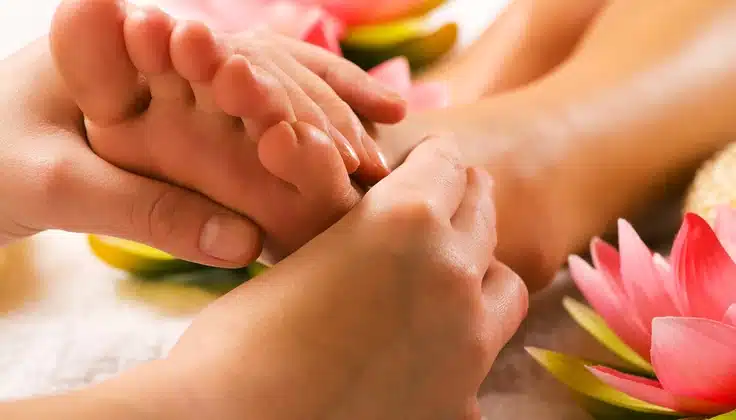
After a tiring day, most people instinctively sit down or lie on the couch, hoping the discomfort will disappear. Unfortunately, rest alone doesn’t always improve blood circulation or release the tension that has built up in your muscles throughout the day. When muscles remain tight and circulation slows, the sensation of heavy legs or sore feet can persist even after several hours of rest. Professional massage therapy for tired legs helps speed up recovery by improving circulation, releasing muscle tension, and promoting deep relaxation.
What Makes Foot Reflexology Different from a Regular Foot Massage?
Although the two therapies are often confused, they serve slightly different purposes. A traditional foot massage therapy focuses primarily on relaxing muscles, relieving soreness, and improving comfort in the feet. Reflexology, however, follows a more holistic philosophy. Practised for centuries in ancient Chinese and Egyptian traditions, reflexology is based on the belief that specific areas of the feet correspond to different organs and systems within the body. By applying gentle, targeted pressure to these reflex points, practitioners aim to encourage overall relaxation and support the body’s natural balance. Rather than treating only tired feet, reflexology seeks to promote a sense of wellness throughout the entire body.
What Can You Expect During a Foot Reflexology Session?
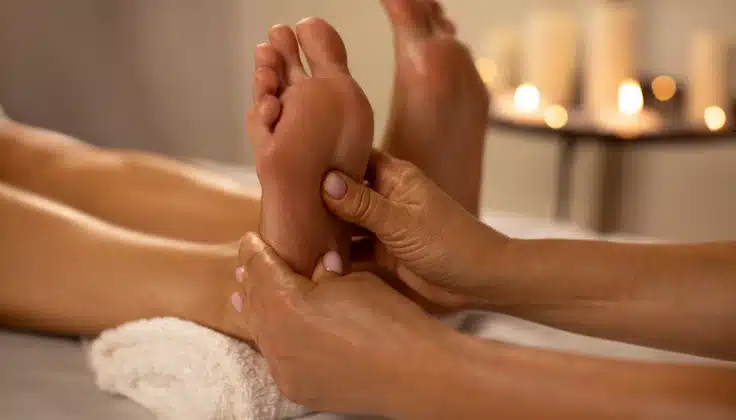
At Tattva Spa, the Foot Massage is a focused 30-minute therapy designed to refresh tired feet and relieve fatigue in the lower legs. The treatment combines soothing strokes, targeted reflexology techniques, and moderate yet firm pressure to help you unwind.
1. Foot Cleansing and Warm-Up
Your session begins with a warm towel cleanse for the feet. This comforting step helps refresh the skin and prepares your feet for the massage ahead.
2. Soothing Leg-to-Foot Strokes
The therapist uses gentle, flowing strokes from the knees to the feet to ease muscle tension and reduce the heavy, tired feeling often experienced after long hours of standing, walking, or travelling.
3. Reflexology Pressure Point Release
Next, the therapist works on key reflexology points across the soles, arches, heels, toes, and feet. These focused pressure techniques help release built-up tension and create a deeply relaxing experience.
4. Circular Ankle Movements
Circular massage motions around the ankles help ease stiffness and fatigue in the surrounding muscles. This step adds a comforting deep-tissue feel while supporting better flexibility and lower-leg comfort.
5. Warm Towel Refresh
The session concludes with a final warm towel cleanse, leaving your feet feeling refreshed, relaxed, and renewed.
The Fascinating Map Hidden Beneath Your Feet
One of the most interesting aspects of reflexology is the concept of the “reflex map.” According to reflexology practitioners, different areas of the feet are believed to correspond with various parts of the body. Some commonly recognised reflex zones include:
- Solar Plexus Point: Associated with relaxation and emotional balance.
- Sinus Area: Located near the toes and believed to help promote a feeling of clarity.
- Digestive Zone: Found around the arch of the foot and linked to digestive wellness in reflexology practice.
- Spine Reflex Line: Running along the inner edge of the foot, this area is believed to correspond with the spine.
While scientific research on reflexology continues to evolve, many people report feeling deeply relaxed after treatments, making reflexology a popular complementary wellness practice.
Why Do People Feel Better After Reflexology?
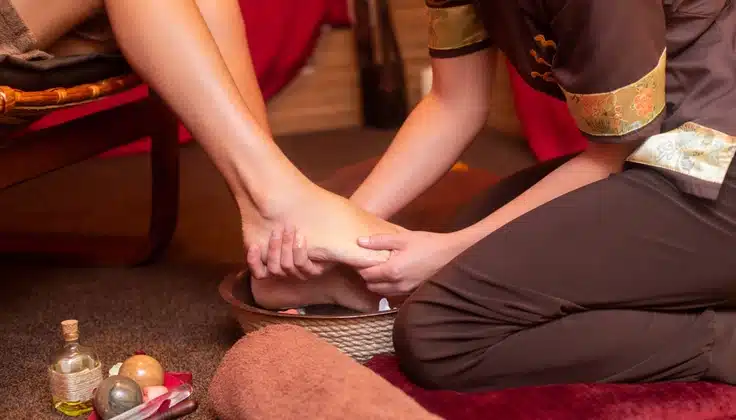
One of the most frequently discussed reflexology benefits is the deep sense of relaxation people experience after a session. Several factors contribute to this feeling. Massage techniques stimulate circulation, allowing oxygen and nutrients to move more efficiently through the feet and lower legs. Gentle pressure helps release muscle tightness that develops after prolonged standing or walking. Perhaps most importantly, dedicating uninterrupted time to relaxation allows both the mind and body to switch away from the constant demands of daily life. For many guests, the result is not only lighter feet but also improved overall well-being.
Who Can Benefit Most from Foot Reflexology?
Although almost anyone can enjoy reflexology, certain lifestyles place greater demands on the feet.
1. Professionals Who Stand All Day
Teachers, nurses, chefs, retail staff, and salon professionals often experience continuous pressure on their feet and calves.
2. Frequent Travellers
Long flights and extended road journeys can contribute to swollen feet and stiff legs.
3. Fitness Enthusiasts
People who regularly run, cycle, or participate in sports often appreciate reflexology as part of their recovery routine.
4. Older Adults
As circulation naturally changes with age, gentle foot massage may help provide comfort and relaxation.
5. Wellness Seekers
Even without specific discomfort, many people choose reflexology simply as a proactive form of self-care.
When Should You Avoid Reflexology?
Although reflexology is generally considered a gentle wellness therapy, it may not be suitable for everyone. It is advisable to consult a healthcare professional before booking a session if you have:
- Open wounds or infections on the feet
- Recent fractures or foot injuries
- Deep vein thrombosis or blood clotting conditions
- Severe varicose veins
- Certain high-risk pregnancies where specific pressure points may be avoided
Informing your therapist about any medical conditions helps ensure the treatment is tailored safely to your needs.
How Often Should You Book a Foot Reflexology Session?
There is no single schedule that suits everyone. Your ideal frequency depends on your lifestyle.
- If you spend long hours standing, a session every two to four weeks may help maintain comfort.
- Frequent travellers often benefit from treatments before or after long journeys.
- Active individuals may include reflexology as part of their recovery routine.
- Those seeking general relaxation may simply enjoy an occasional session whenever they feel the need to unwind.
Consistency often provides greater long-term comfort than waiting until discomfort becomes severe.
Experience Relaxation from the Ground Up at Tattva Spa

At Tattva Spa, wellness begins with understanding what your body needs. The Foot Reflexology & Leg Fatigue Reliever therapy is designed to combine relaxing massage techniques with traditional reflexology principles, creating a treatment that soothes tired feet while encouraging overall relaxation. Delivered by professionally trained therapists in a calm, luxurious setting, the experience focuses on relieving everyday fatigue and helping guests reconnect with a sense of balance and well-being. Whether you’ve spent the day standing, travelling, or simply navigating a demanding schedule, this treatment offers your feet the care they’ve earned.
Final Thoughts
Your feet quietly support every journey you take, yet they are often the last part of your body to receive attention. Ignoring tired feet doesn’t just affect comfort—it can influence how your entire body feels. A professional foot reflexology massage spa experience offers far more than a relaxing hour. It combines therapeutic massage, ancient wellness principles, and dedicated self-care into a treatment that helps you feel refreshed from the ground up. Sometimes, the best way to move forward is to start by taking better care of the foundation beneath you.
Frequently Asked Questions
1. My feet feel sore every evening after work. Will foot reflexology actually help?
If your job involves standing, walking, or wearing footwear for long hours, foot reflexology can help ease everyday discomfort. The treatment combines massage techniques with pressure applied to specific reflex points, helping relax tired feet, improve circulation, and leave your legs feeling lighter and more comfortable after a demanding day.
2. I’ve never tried reflexology before. Is it painful or uncomfortable?
Not at all. Most people describe reflexology as deeply relaxing rather than painful. While certain pressure points may feel slightly tender depending on areas of tension, therapists adjust the pressure according to your comfort level. The goal is to create a soothing experience that leaves your feet refreshed, not sore.
3. Is foot reflexology different from getting a regular foot massage at a spa?
Yes. A regular foot massage mainly focuses on relieving muscle tension and improving comfort in your feet. Reflexology takes a more holistic approach by applying pressure to specific reflex zones that practitioners believe are connected to different parts of the body, making it a more comprehensive wellness experience.
4. Who benefits the most from a Foot Reflexology & Leg Fatigue Reliever treatment?
This therapy is ideal for people who spend long hours on their feet, travel frequently, exercise regularly, or experience tired, heavy legs after work. Even if you don’t have foot pain, it’s a great way to relax, improve circulation, and give your body a well-deserved break from everyday stress.
5. How often should I book this treatment to keep my feet feeling fresh?
There’s no fixed schedule—it depends on your lifestyle. If you’re constantly on your feet or travel often, booking a session every two to four weeks can help manage fatigue and maintain comfort. For those who enjoy regular self-care, scheduling a treatment whenever you notice stiffness, stress, or the need to unwind is a simple way to stay refreshed and maintain a sense of balance.
Popular Blogs