Login
Login
Why Regular Massage Therapy Is Essential for a Better Health
Regular massage therapy is essential for a healthier lifestyle because it goes beyond temporary relaxation to support long-term physical and mental well-being. Consistent massage sessions help relieve muscle tension, reduce everyday stress, improve circulation, promote better sleep, and encourage faster recovery from daily physical strain. When combined with healthy habits like exercise, proper nutrition, and adequate rest, massage becomes a proactive wellness practice that helps maintain balance, prevent burnout, and improve overall quality of life. At Tattva Spa, massage therapies inspired by holistic wellness and Ayurveda are designed to help you make self-care a consistent part of your health journey.

Modern life has made stress almost unavoidable. Long hours at work, endless screen time, irregular sleep schedules, and constant responsibilities take a toll on both the body and mind. Most people respond only when discomfort becomes impossible to ignore—booking a massage after weeks of back pain or seeking relaxation when stress reaches its peak. But what if massage therapy wasn’t something you turned to only when you felt exhausted? What if it became part of your wellness routine, just like exercising, eating nutritious food, or getting enough sleep?
This is where the conversation around massage therapy for health and stress is changing. Across the world, more people are embracing massage not just as a luxury but as a proactive way to maintain physical and mental well-being. From reducing muscle tension to promoting better sleep and emotional balance, the benefits of regular massage extend far beyond a single hour of relaxation. At Tattva Spa, wellness is viewed as an ongoing journey rather than a one-time experience. Inspired by holistic traditions and modern wellness practices, massage therapies are designed to help individuals feel healthier, recover better, and maintain balance in their everyday lives.
Health Isn’t Just About Treating Problems—It’s About Preventing Them
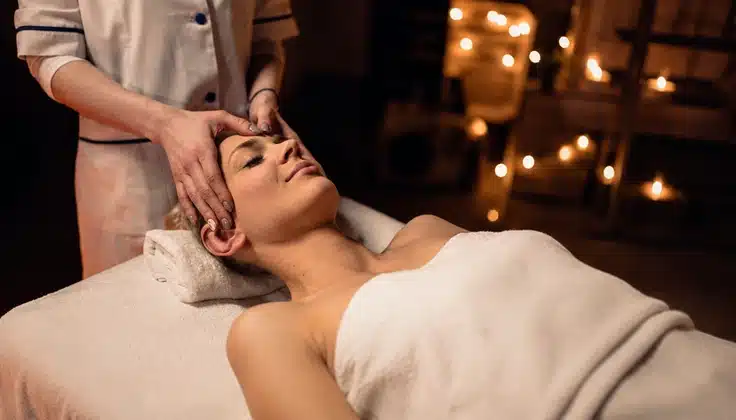
When people think about staying healthy, they often focus on diet, exercise, and annual health check-ups. While these habits are essential, wellness also involves caring for the body’s muscles, joints, nervous system, and emotional health. Our bodies are constantly adapting to daily pressures. Sitting at a desk for hours, commuting through traffic, lifting heavy objects, or even dealing with emotional stress can create tension that builds up gradually over time. Initially, the signs may seem minor:
- Tight shoulders after work
- Occasional headaches
- Difficulty falling asleep
- Neck stiffness
- Lower back discomfort
- Constant fatigue despite adequate rest
These symptoms are often dismissed as part of a busy lifestyle. However, if left unaddressed, they can affect overall well-being and quality of life. This is why preventive wellness practices are becoming increasingly important. Rather than waiting for discomfort to worsen, many people are incorporating massage therapy into their regular health routine to support recovery and relaxation before stress begins to accumulate.
How Massage Therapy Supports Your Health
Massage therapy does much more than ease sore muscles. It supports multiple systems within the body, making it an effective complement to an overall healthy lifestyle.
1. Encourages Better Blood Circulation
Healthy circulation plays a vital role in transporting oxygen and nutrients throughout the body. During a professional massage, rhythmic strokes help stimulate blood flow, allowing muscles to receive improved nourishment while supporting the body’s natural recovery processes. Better circulation can also contribute to reduced muscle fatigue and an overall feeling of rejuvenation after each session.
2. Helps Release Built-Up Muscle Tension
Whether you spend your day sitting at a computer or standing for long hours, repetitive movements place continuous stress on muscles. Over time, this tension may reduce flexibility, limit movement, and contribute to aches in the neck, shoulders, lower back, and legs. Massage techniques work on these areas by encouraging muscles to relax, improving mobility, and helping the body move more comfortably.
3. Supports Mental Well-Being
Health is not only physical. Chronic stress affects concentration, emotional resilience, sleep quality, and overall happiness. One reason people continue scheduling regular massage sessions is because they leave feeling mentally refreshed as well as physically relaxed. A calm body often leads to a calmer mind. This is why massage for stress relief has become an increasingly popular wellness practice among professionals, parents, entrepreneurs, and students alike.
4. Encourages Better Recovery
After physical activity or demanding work schedules, muscles need time to recover. Massage therapy supports this recovery process by reducing stiffness and promoting relaxation, allowing the body to feel refreshed and ready for daily activities. For individuals with active lifestyles, massage complements exercise by helping maintain flexibility and reducing post-activity discomfort.
Stress and Anxiety: What the Research Shows
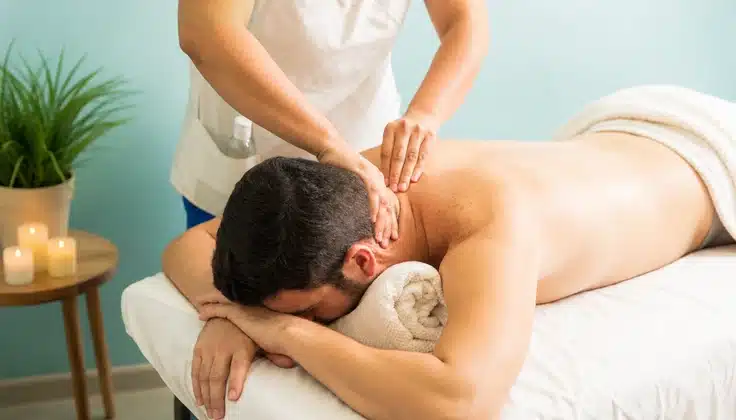
Stress is one of the biggest contributors to modern health challenges. While short-term stress is a natural response to demanding situations, prolonged stress keeps the body in a constant state of alertness. Over time, this can affect sleep, concentration, mood, digestion, and even physical health. One of the body’s primary stress hormones is cortisol. Elevated cortisol levels over long periods are associated with fatigue, irritability, reduced focus, and persistent muscle tension. Research has shown that massage therapy may help reduce perceived stress while encouraging relaxation by activating the parasympathetic nervous system—often referred to as the body’s “rest and recover” mode.
This shift allows the heart rate to slow, muscles to relax, and the mind to transition away from the constant pressures of daily life. While massage is not a replacement for medical or psychological treatment when needed, it can be a valuable addition to a broader wellness routine for managing everyday stress. This explains why many people no longer view massage as an occasional indulgence. Instead, they see it as an investment in long-term mental and physical health. When practiced consistently, massage therapy for health and stress becomes part of a balanced lifestyle rather than an emergency solution for burnout.
The Ayurvedic Wellness Calendar: Why Self-Care Changes with the Seasons
Long before preventive healthcare became a global wellness trend, Ayurveda emphasized the importance of adapting daily routines according to seasonal changes. This principle is known as Ritucharya, or the seasonal wellness calendar. According to Ayurveda, the body is influenced by changes in climate, temperature, humidity, and natural rhythms throughout the year. As the seasons change, our physical and mental needs also change. For example:
Summer: Cooling and Hydration
High temperatures can leave the body feeling dehydrated, fatigued, and overheated. During this season, wellness practices focus on cooling therapies, adequate hydration, and calming the body’s internal heat.
Monsoon: Restoring Balance
The rainy season often brings increased humidity, sluggishness, and joint discomfort for many individuals. Ayurvedic wellness during this period emphasizes therapies that improve circulation, ease stiffness, and restore balance. Massage therapies using appropriate oils can help the body feel lighter and more refreshed during seasonal transitions.
Winter: Nourishment and Warmth
Cold weather may contribute to muscle stiffness and dry skin. Warm oil massages become particularly beneficial during this time, helping to nourish the skin while promoting relaxation and improving flexibility. Rather than following the same routine throughout the year, Ayurveda encourages adapting wellness practices to support the body’s changing needs. This seasonal approach aligns closely with Tattva Spa’s philosophy of holistic care, where therapies are selected not only for relaxation but also to complement the body’s natural rhythms. As part of a comprehensive massage therapy wellness guide, Ritucharya reminds us that good health isn’t achieved through occasional effort—it’s maintained through consistent, mindful habits that evolve with the seasons.
Massage for Specific Conditions: Back Pain, Better Sleep, and Immune Support

Massage therapy is often associated with relaxation, but its role in supporting everyday health goes much further. Whether you’re dealing with persistent muscle tension, interrupted sleep, or the physical effects of prolonged stress, regular massage can become an important part of a balanced wellness routine. While massage is not a substitute for medical treatment, it complements healthy lifestyle habits by helping the body recover, relax, and function more efficiently.
1. Relieving Back and Neck Pain
Back pain has become one of the most common health concerns among working professionals. Long hours at a desk, poor posture, frequent travel, and minimal physical activity place continuous strain on the muscles supporting the spine. The discomfort often starts subtly—a stiff neck after work, tight shoulders after long meetings, or a dull ache in the lower back. Left unaddressed, this tension can gradually affect mobility, productivity, and overall comfort.
Regular massage therapy helps by relaxing overworked muscles, improving circulation to affected areas, and encouraging greater flexibility. Techniques such as Swedish Massage, Deep Tissue Massage, and traditional Ayurvedic therapies target areas where tension commonly builds up, helping the body recover naturally. Many individuals who incorporate massage into their monthly wellness routine find that they experience fewer episodes of muscular discomfort and improved ease of movement throughout the day.
2. Supporting Better Sleep
Sleep is one of the body’s most important recovery mechanisms, yet millions of people struggle to achieve consistent, restful sleep. Stress, mental fatigue, excessive screen time, and muscle tension often make it difficult to relax before bedtime. Massage therapy creates an environment where both the body and mind can unwind. As muscles relax and the nervous system shifts into a calmer state, many people report feeling more prepared for restorative sleep. Rather than simply helping someone feel relaxed for an hour, regular massage may contribute to healthier bedtime routines by reducing physical discomfort and promoting a greater sense of calm. When combined with good sleep hygiene, balanced nutrition, and regular exercise, massage becomes another valuable tool for supporting long-term wellness.
3. Supporting the Body’s Natural Defences
The immune system functions best when the body is well-rested and stress levels are effectively managed. Although massage therapy should never be viewed as a treatment for illness, reducing chronic stress may indirectly support overall immune health. Persistent stress places additional demands on the body, making recovery more difficult and affecting overall well-being. Massage encourages relaxation, improves circulation, and helps the body move away from its constant “fight or flight” response toward a more restorative state. This holistic approach explains why massage is increasingly included as part of broader wellness programs focused on preventive health rather than simply temporary relaxation. These therapeutic massage benefits demonstrate that consistent wellness practices often have a greater long-term impact than occasional self-care.
When You Should Postpone a Massage

Although massage therapy is suitable for many people, there are situations where it may be advisable to delay treatment or seek medical guidance beforehand. Professional therapists always begin by understanding a guest’s health history because every individual has different wellness needs. Massage should generally be postponed if you are experiencing:
- Fever or active infections
- Contagious skin conditions
- Open wounds, burns, or recent surgical incisions
- Severe inflammation or swelling
- Recent fractures or acute injuries
- Certain cardiovascular conditions unless approved by your physician
- Deep vein thrombosis (DVT) or suspected blood clots
Individuals who are pregnant, recovering from surgery, or managing chronic medical conditions should always inform their therapist before the session so the most appropriate therapy can be recommended. This consultation process ensures that each massage is both safe and beneficial for the individual receiving it.
Make Regular Wellness More Rewarding with Tattva Spa Memberships
If massage therapy is part of your long-term wellness routine, a Tattva Spa Membership offers a convenient and cost-effective way to enjoy regular treatments. Designed for guests who value consistent self-care, the membership provides attractive savings on spa therapies, a cashless booking experience, and the flexibility to share benefits with friends and family. Whether you visit to manage stress, ease muscle tension, or simply take time to recharge, a membership helps you make wellness an effortless part of your lifestyle. Explore Tattva’s Peace, Serenity, and Tranquility membership plans to choose one that best suits your wellness journey.




Building Wellness Into Everyday Life

A healthier lifestyle isn’t created by one good decision. It’s built through small, consistent habits practiced over time. People regularly exercise because movement keeps the body strong. They eat nutritious food because proper nutrition supports overall health. They prioritise sleep because recovery is essential. Massage therapy deserves to be viewed in the same way. Rather than waiting for stress to build up or muscle pain to affect your daily routine, regular massage helps you care for your body before these issues become more serious. By making massage a part of your wellness routine, you can reduce tension, improve mobility, and support your overall well-being. Instead of reacting to discomfort, you take a proactive approach to maintaining your physical and mental health.
At Tattva Spa, wellness is not viewed as an occasional luxury but as a lifelong commitment to caring for both body and mind. Through thoughtfully curated therapies, seasonal wellness practices inspired by Ayurveda, and personalised experiences, guests are encouraged to make self-care a consistent part of a healthier lifestyle. Because good health isn’t simply about living longer. It’s about feeling better every single day.
Frequently Asked Questions
1. How does massage therapy improve overall health?
Massage therapy supports overall wellness by promoting relaxation, easing muscle tension, improving circulation, encouraging better sleep, and helping manage everyday stress. Combined with healthy lifestyle habits, it contributes to better physical and mental well-being.
2. How often should I get a massage for the best results?
The ideal frequency depends on your lifestyle, activity level, and wellness goals. Many people benefit from scheduling a massage every two to four weeks to maintain relaxation, manage stress, and support long-term physical health.
3. Is massage therapy effective for stress relief?
Yes. Massage for stress relief helps calm the nervous system, reduce muscle tension, and encourage relaxation. Many people include regular massage as part of their overall stress-management routine alongside exercise, meditation, and healthy sleep habits.
4. Are there any situations when I should avoid getting a massage?
Yes. Massage should generally be postponed if you have a fever, contagious illness, open wounds, severe inflammation, recent fractures, or certain medical conditions. Always inform your therapist about your health history before your session.
5. Why should I choose regular massage instead of occasional treatments?
Occasional massages provide immediate relaxation, but regular sessions help maintain muscle health, manage stress more consistently, support recovery, and encourage long-term wellness. This preventive approach allows massage therapy to become an integral part of a healthier lifestyle rather than simply a response to discomfort.
Popular Blogs