Login
Login
Abhyanga vs Potli Massage: Which Ayurvedic Therapy Is Right?
Abhyanga and Potli Massage offer different Ayurvedic wellness experiences, so the right choice depends on what you want from the treatment. Abhyanga uses warm herbal oils with rhythmic, hands-on massage and is suited to those seeking full-body relaxation, relief from muscle fatigue and a traditional oil-based experience. Potli Massage uses heated herbal pouches filled with herbs and oils, making it more suitable for those who prefer therapeutic warmth combined with gentle pressure. If you enjoy warm oil massage, choose Abhyanga; if herbal warmth and pouch therapy appeal to you, Potli Massage may be the better fit.
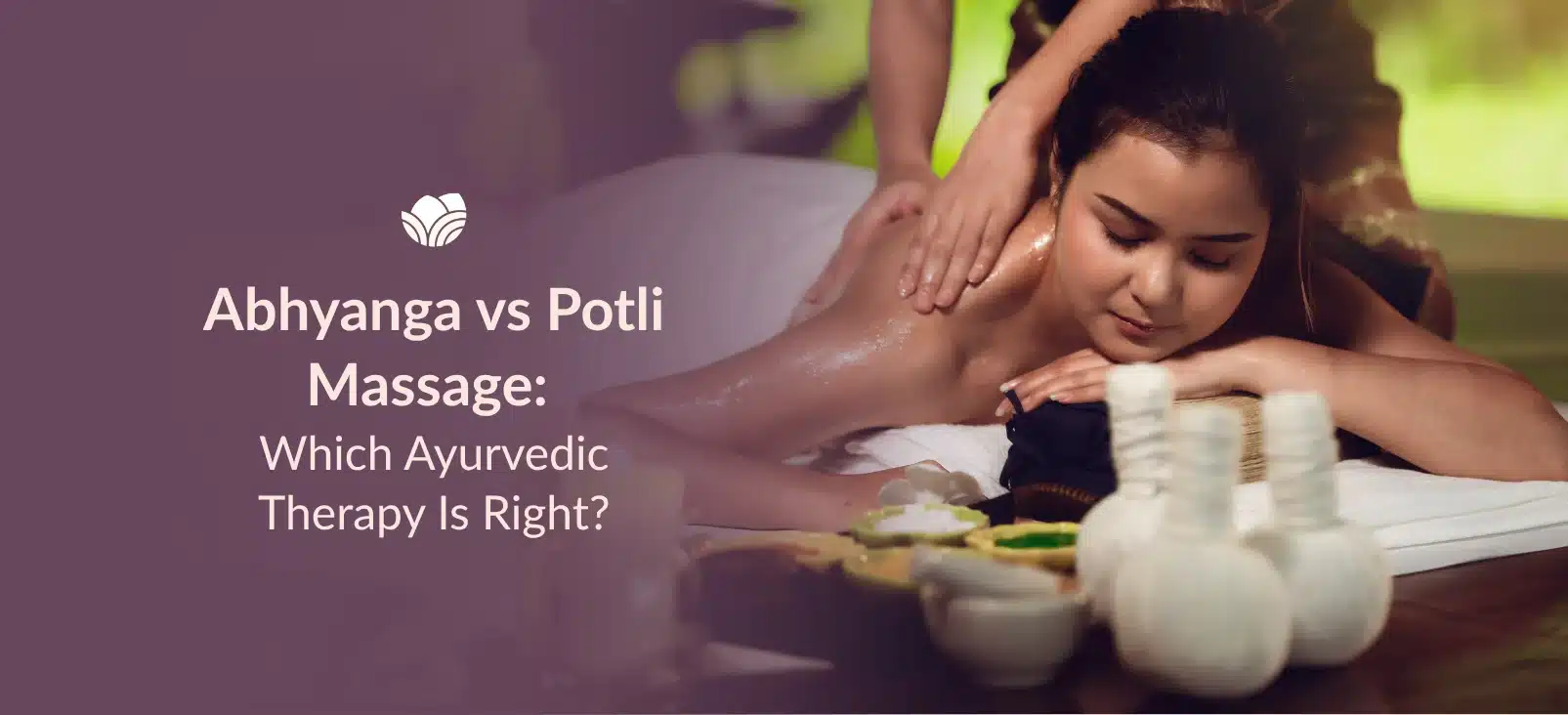
Ayurvedic massage is not a single technique. Different therapies use different combinations of oils, pressure, heat, herbs, and massage movements, so choosing between them should depend on what you want from the experience. Two treatments that are often compared are Abhyanga and Ayurvedic Potli Massage. Both have roots in traditional Indian wellness practices, but they create very different treatment experiences.
In a practical Ayurvedic massage comparison, the simplest distinction is this: Abhyanga is centred around warm oil and rhythmic massage, while Ayurvedic Potli Massage introduces controlled herbal warmth through linen pouches filled with herbs and oils. Tattva Spa’s menu describes Indian Abhyanga as a traditional Indian technique using herbal essential oils, while its Ayurvedic Potli Massage uses linen potlis filled with essential herbs and oils to transmit warmth to the body. So, which one should you choose?
What Is Abhyanga Massage?

Abhyanga is a traditional Ayurvedic oil massage in which warm oil is applied over the body and worked through massage movements. The oil is central to the treatment, while the massage itself provides the physical component of the experience. At Tattva Spa, Abhyanga Massage is described as being based on traditional Indian techniques and using herbal essential oils. Its menu specifically positions the treatment around reducing muscle knots, addressing overall body fatigue, and creating a calming experience for the mind and body. This makes Abhyanga particularly relevant when the main requirement is a full-body oil massage with steady, rhythmic hands-on work rather than heat being the central element.
What does Abhyanga Massage involve?
The treatment generally revolves around:
- Warm therapeutic or herbal oil
- Full-body massage
- Rhythmic and flowing movements
- Direct work on muscles and soft tissues
- A slower, oil-based treatment experience
The exact oil, pressure, sequence, and duration can vary between practitioners and wellness centres.
What Is Ayurvedic Potli Massage?

Potli Massage takes a different approach. Instead of relying primarily on the therapist’s hands and oil, the treatment introduces heated herbal pouches, or potlis, to the massage. Tattva’s menu describes its Ayurvedic Potli Massage as a therapy based on warmth transmitted through linen potlis filled with essential herbs and oils. The stated purpose is to relax, nourish, and rejuvenate the body. In broader Ayurvedic practice, heated bolus therapies are associated with Pinda Sweda, a form of heat therapy in which prepared pouches are used to apply warmth to the body. The exact ingredients and method vary according to the particular form of therapy. This distinction is important: not every Potli Massage is identical. The contents of the pouch, preparation method, temperature, pressure, and treatment sequence depend on the spa or Ayurvedic practitioner.
Abhyanga vs Ayurvedic Potli Massage: What Is the Difference?
| Abhyanga Massage | Potli Massage | |
|---|---|---|
| Primary Element | Warm oil | Warm herbal potlis |
| Main Technique | Rhythmic hands-on massage | Warmth and pressure from herbal pouches |
| Role of Herbs | Delivered primarily through oils | Present in the herbal pouch and oils |
| Sensation | Warm, smooth and oil-rich | Warmth combined with gentle compression |
| Main Focus | Full-body relaxation and muscle work | Heat-based relaxation and herbal therapy |
| Best Suited for | Those who prefer traditional oil massage | Those who enjoy warmth and a more distinctive treatment |
The comparison shows why neither treatment is better. They simply offer different sensory and therapeutic approaches.
Which One Is Better for Muscle Fatigue?
If your primary concern is overall muscle fatigue and tension, Abhyanga may be the more straightforward choice. Tattva’s description specifically notes that Abhyanga helps reduce muscle knots and address overall body fatigue. Ayurvedic Potli Massage can be more appealing if you prefer the sensation of heat alongside massage. Tattva describes its Potli treatment around the restorative effect of warmth, herbs, relaxation, nourishment, and rejuvenation. For someone who spends long hours sitting or experiences general stiffness, the choice may therefore come down to whether they prefer oil-based massage or heat-based therapy.
Which One Feels More Relaxing?
This is subjective. Abhyanga tends to feel slower and more fluid because warm oil and continuous massage movements remain central to the session. Ayurvedic Potli Massage introduces another sensation: controlled warmth from the herbal pouches. That makes it particularly appealing to people who enjoy heat therapy and the tactile feeling of gentle pressure. Tattva also offers Ayurvedic Potli Massage Therapy as an enhancement at selected locations, using therapeutic heat and herbal ingredients for focused areas such as the neck, shoulders, hands and feet. That gives guests another way to experience the characteristic warmth of Potli therapy without necessarily choosing it as a full-body massage.
Which Ayurvedic Massage Should You Choose?
A simple way to decide is to start with the experience you want.
Choose Abhyanga Massage if you:
- Prefer warm oil massage
- Want a traditional full-body massage experience
- Experience general muscle fatigue
- Prefer continuous hands-on massage
- Want a slower, flowing treatment
Choose Ayurvedic Potli Massage if you:
- Enjoy therapeutic warmth
- Want to experience herbal pouches as part of the treatment
- Prefer warmth combined with gentle pressure
- Are looking for something different from a conventional oil massage
- Want the herbal and heat elements to be central to the experience
Neither should be selected solely because one sounds more “therapeutic.” The right treatment depends on your preferences, comfort level, and what the practitioner recommends.
Where Can You Experience an Ayurvedic Massage?
If you’re looking for an Ayurvedic massage, look for clear information about the technique, oils or herbal materials being used, therapist training, treatment duration, and what the session actually involves. Tattva Spa is one example where both Abhyanga Massage and Ayurvedic Potli Massage are included in the wellness menu, allowing guests to choose between two distinctly different approaches rather than treating Ayurvedic massage as a single category. The menu also lists Abhyanga as one of the massage options within its Nourish Spa Sojourn, alongside Swedish and Deep Tissue Massage, showing how the treatment can form part of a broader wellness experience.
Conclusion
The Abhyanga vs Ayurvedic Potli massage decision ultimately comes down to what you want the treatment to feel like. Abhyanga Massage places warm oil and rhythmic massage at the centre of the experience. Ayurvedic Potli Massage adds herbal pouches and controlled warmth, creating a treatment that feels more heat-focused and distinctive. If you’re looking for a traditional oil-based Ayurvedic massage, Abhyanga Massage is the natural starting point. If warmth and herbal pouch therapy appeal to you, Ayurvedic Potli Massage may be the better fit. And if you’re still unsure, speak with the therapist before the session. A good Ayurvedic wellness experience should begin with understanding what you need—not simply choosing a treatment because its name sounds appealing.
FAQs
1. How long should I keep aside for an Abhyanga or Ayurvedic Potli Massage appointment?
Allow enough time not only for the treatment but also for consultation and preparation. The actual duration depends on the package you select. If you are travelling or have another appointment afterwards, mention your schedule while booking so the spa can recommend a suitable treatment duration and timing.
2. Can I choose the massage pressure during an Ayurvedic Potli Massage or Abhyanga Massage?
It is worth discussing your preferred pressure with the therapist before the session begins. Comfort matters during both Abhyanga and Ayurvedic Potli Massage, particularly because they use different techniques. Tell the therapist if you prefer gentler or firmer pressure, or if any particular area feels uncomfortable during the treatment.
3. What should I tell the therapist before choosing between Abhyanga and Ayurvedic Potli Massage?
Start by explaining what you want from the session rather than simply naming a massage. Tell the therapist whether you are looking for relaxation, relief from general fatigue, warmth, or a traditional oil-based experience. Mention relevant preferences and discomforts so the treatment can be explained according to your individual needs.
4. What if I enjoy Ayurvedic treatments but don’t want the same massage every time?
You don’t necessarily have to repeat one treatment. Tattva Spa menu includes both Abhyanga and Ayurvedic Potli Massage, allowing you to experience Ayurveda through different techniques. You can also explore other massage and wellness options depending on what you want from a particular visit, rather than following the same routine every time.
5. What does an Ayurvedic massage feel like compared with a regular massage?
The experience depends on the treatment. Abhyanga Massage has the characteristic sensation of warm oil combined with rhythmic massage movements, while Ayurvedic Potli Massage introduces herbal pouches and controlled warmth. Neither experience is simply a conventional massage with an Ayurvedic label; the oils, herbs, warmth, and techniques contribute to their distinct character.
Popular Blogs