Login
Login
Full Body Massage Treatment: What to Expect at Tattva Spa
A full body massage treatment works across major areas such as the back, shoulders, arms, hands, legs and feet to ease muscular tension and encourage relaxation. Sessions typically last 60–90 minutes, with the experience varying according to the technique and pressure selected. Swedish Massage focuses on medium-pressure relaxation, while Deep Tissue Massage addresses deeper muscular stiffness. Indian Abhyanga offers a traditional approach using rhythmic movements and herbal essential oils. The experience also includes consultation, oil selection and post-treatment recovery, helping guests choose a massage based on their individual comfort and wellness needs.

A full-body massage is often booked with a simple expectation: to relax. Yet the experience can vary considerably depending on the pressure, technique, duration and areas that need attention. Someone carrying stiffness from desk work may need something very different from a person who simply wants to slow down after a demanding week. Knowing what happens during the session—and how different massage styles work—can make the experience more worthwhile. This full body massage spa guide takes you through the treatment, from choosing the right therapy to understanding what happens before and after your session.
What Is a Full Body Massage?
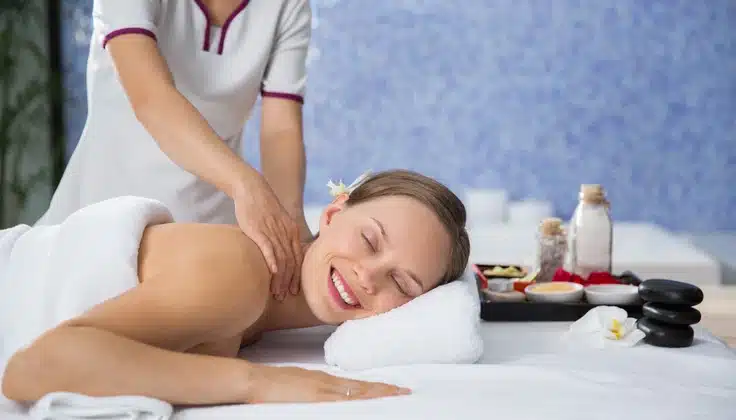
A full body massage treatment works across the major muscle groups rather than concentrating on one isolated area. A typical session covers the back, shoulders, arms, hands, legs and feet. The scalp or head may also be incorporated depending on the therapy selected and treatment protocol. Sessions commonly last between 60 and 90 minutes. The duration matters because a full-body treatment needs enough time to work through different areas without making the experience feel hurried. A 60-minute session works well for regular relaxation, while a 90-minute treatment provides more time for areas that require additional attention. The term “full body”, however, describes coverage rather than technique. Swedish Massage and Deep Tissue Massage can both be full-body treatments, but the pressure, movements, and intended experience are distinctly different.
What Is Included in a Full Body Massage at Tattva Spa?
The treatment usually progresses systematically through different areas of the body, allowing muscles to relax gradually rather than treating every area with the same movement or pressure. The back and shoulders often require particular attention because tension commonly builds in these areas. The massage then works across the arms, hands, legs and feet according to the chosen therapy and individual requirements. Technique changes with the massage selected.
Swedish Massage uses medium pressure and long kneading strokes across superficial muscles. Deep Tissue Massage uses varying pressure and distinct massage points to address stiffness and muscular adhesions. Indian Abhyanga follows traditional Indian techniques with rhythmic movements and herbal essential oils. Massage therapies can also be paired with enhancements when additional attention is required. The current Tattva menu includes focused options such as Yoga Stretch, Head Massage, Foot Reflexology, and Back Massage. These are additions to the main treatment rather than necessary parts of every full-body massage. Oil is another part of the experience. Before massage therapies, guests can select from in-house aromatherapy and skin-nourishing oil blends. Premium therapeutic oil options are also available for specific preferences.
Types of Full Body Massages Available
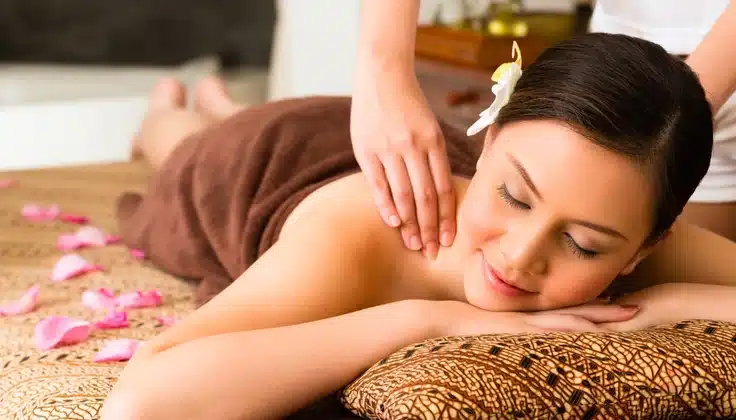
Choosing a massage by name alone can be confusing. It is more useful to choose according to what you want to feel during and after the session.
Swedish Full Body Massage — For Relaxation
Swedish Massage is a medium-pressure treatment using long, traditional kneading strokes. It suits people looking to ease general muscular tension and settle into a relaxed state without intensive pressure. The movements also encourage circulation across the areas being massaged.
Deep Tissue Full Body Massage — For Deeper Muscle Work
Deep Tissue Massage takes a more targeted approach. Varying pressure and specific massage points are used to work on muscular stiffness and adhesions. Pressure can be customised, making communication with the therapist particularly important during this treatment. Someone dealing with recurring tightness after prolonged sitting, demanding physical activity or a hectic routine may prefer this style over a gentler relaxation massage.
Jet Lag Therapy Massage — For Travel Recovery
Long journeys and disrupted sleep can leave the body feeling stiff, heavy, and fatigued. Jet Lag Therapy Massage is designed to help you unwind after travel by focusing on areas commonly affected by prolonged sitting and travel-related tension. It offers a relaxing way to reset and feel refreshed after a demanding journey.
Signature Tattva Massage — For Complete Relaxation
The Signature Tattva Massage offers a holistic full-body experience designed to ease everyday tension and promote deep relaxation. Through flowing massage techniques and focused attention to areas of stiffness, it helps create a sense of physical comfort and mental calm. It is an ideal choice when you want a complete wellness experience rather than a treatment focused on one specific concern.
Key Benefits of a Full Body Massage
The full body massage benefits vary according to the technique chosen, but one of its advantages is the ability to work across several areas of accumulated tension within one session.
1. Muscle Relaxation
Daily tension rarely stays in one place. It may begin around the shoulders and become noticeable through the back or legs by the end of the day. Working across the body can help ease this general feeling of muscular fatigue.
2. Supporting Circulation
Massage movements encourage blood flow through the muscles being worked. Swedish Massage, in particular, is designed around muscle relaxation and increased circulation.
3. A Mental Break from Constant Stimulation
Relaxation is not purely muscular. A quiet treatment environment creates time away from screens, calls, conversations and everyday responsibilities. Minimal conversation is encouraged during Tattva therapies so that silence can remain part of the experience, while guests are still encouraged to communicate any required adjustments.
4. Preparing for Better Rest
A relaxed body can make it easier to settle after a demanding day. Massage should not be treated as a cure for sleep problems, but reducing physical tension and creating a calmer state can support the transition towards rest.
5. Skin Nourishment
Massage oils provide lubrication for smooth therapeutic movements while skin-nourishing blends add a conditioning element to the experience. Guests who want something more specialised can also explore premium therapeutic oils.
What Your Full Body Massage Experience Will Be Like
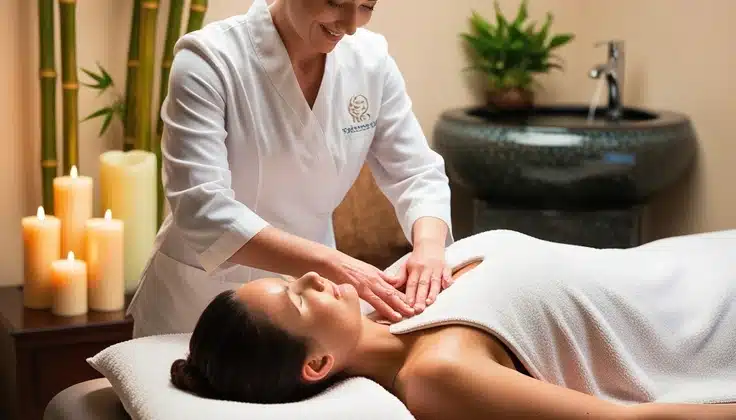
Knowing the process beforehand removes much of the uncertainty around a first massage. Guests are advised to arrive approximately 15 minutes before the scheduled session. This leaves enough time to settle in rather than moving directly from the outside world onto the massage table. A seasonal welcome drink is followed by a wellness consultation based on a pre-filled health assessment. This is the appropriate time to discuss pressure preferences, areas of discomfort and relevant concerns. For massage therapies, oil selection follows before changing for the treatment. Disposable undergarments are provided, and towel draping is maintained throughout the massage to protect privacy and comfort.
After the session, guests can use the available shower facilities or request a warm towel to remove excess oil. Steam and ensuite facilities depend on the location. Ten minutes of steam is complimentary with massage therapies of 60 minutes or longer where the facility is available. The experience concludes with warm herbal tea and a few quiet moments before returning to the day.
How Often Should You Get a Full Body Massage?
There is no universal schedule. Frequency depends on why you are booking, your routine, the intensity of the treatment and how your body responds. Someone using massage occasionally for relaxation may book when needed. People who make massage part of a regular wellness routine may prefer more consistent sessions. Rather than following an arbitrary weekly or monthly rule, pay attention to recurring muscular tension and discuss frequency with an appropriately qualified professional when you have specific physical concerns.
How to Choose the Right Full Body Massage for You
Start with the outcome rather than the treatment name.
- Want general relaxation? Consider Swedish Massage.
- Prefer stronger pressure for muscular stiffness? Deep Tissue Massage may be more appropriate.
- Interested in traditional Indian massage techniques? Indian Abhyanga offers an Ayurvedic approach using herbal essential oils.
- Want stretching alongside massage? Consider adding Yoga Stretch with an upper- or lower-body focus.
Pressure should never become a test of endurance. The right massage is one that suits your comfort, preferences and purpose.
How to Book at Tattva Spa
A full body massage at Tattva Spa can be booked through Tattva’s website or spa reservation service. With 100+ spas across 40+ cities listed in the current spa menu, guests can select a convenient location and explore the treatments available there. Booking ahead is recommended, particularly for preferred time slots. The spa menu advises making appointments at least 24 hours in advance. Before confirming, consider three things: how much time you have, the kind of pressure you prefer and what you want the session to achieve. A full-body massage becomes easier to choose once those questions are answered. The value of the treatment is not simply that it covers more of the body; it is that the technique, pressure and time can be matched to what you actually need from the experience.
FAQs
1. Should I have a full-body massage before or after a workout?
If you’re planning exercise and a massage on the same day, consider the intensity of both. A strong workout immediately after a deeply relaxing massage may not be what you want. If muscle stiffness is the reason for your appointment, mention your recent physical activity during the consultation so the session can be approached accordingly.
2. Can I book a full-body massage after a long flight or road journey?
Yes, especially if travelling has left you feeling physically tired or stiff from prolonged sitting. However, Tattva’s menu also includes a dedicated Jetlag Recovery Massage for guests experiencing fatigue and sluggishness after a long flight. If travel recovery is your main concern, ask which treatment better matches how you’re feeling that day.
3. Is it better to eat before or after a full-body massage?
Avoid arriving immediately after a heavy meal, as lying comfortably for an extended treatment may feel unpleasant when you’re very full. If necessary, choose something light beforehand and leave yourself enough time to feel comfortable. After the massage, give yourself a little time to settle before moving straight into a large meal.
4. Can two people with completely different massage preferences book together?
Yes. Sharing a spa visit doesn’t mean both people need the same treatment or pressure. One person may prefer a gentler Swedish Massage while the other wants deeper muscular work. The useful approach is for each guest to communicate individual preferences rather than trying to make one massage style work equally well for both.
5. I have an important event tomorrow. Is a full-body massage a good idea the day before?
It can be a pleasant way to create some quiet time before a busy occasion, particularly when relaxation is the objective. However, avoid experimenting with unfamiliar treatments or stronger pressure simply because the occasion is special. Choose a therapy you are comfortable with and allow enough time afterward to rest rather than filling the day with activities.
Popular Blogs