Login
Login
Why Regular Head Massages Are Essential for Busy Lifestyles
Regular head massages have become more important than ever as modern lifestyles expose us to constant stress, prolonged screen time, poor posture, and mental fatigue. By targeting the scalp, temples, neck, and shoulders, head massage therapy helps relieve built-up tension, improve circulation, promote relaxation, and support better sleep and focus. Whether you choose a traditional Indian head massage or a professional scalp massage spa treatment, incorporating it into your wellness routine can help restore balance to both your mind and body while improving your overall quality of life.
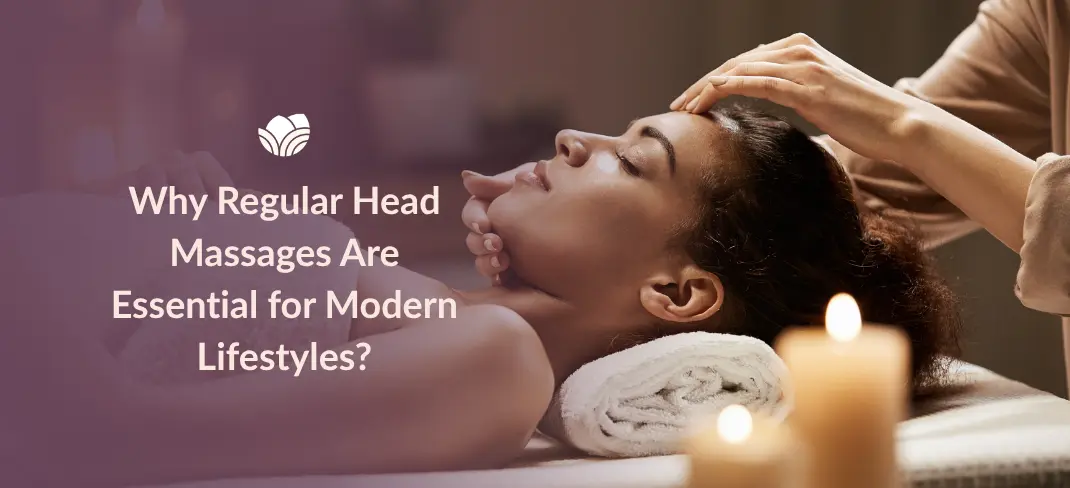
Most of us end the day believing we’re simply “tired.” But if you pause for a moment, you’ll notice something more specific. Your jaw feels tight. Your forehead feels heavy. Your scalp feels sensitive when you run your fingers through your hair. Your neck is stiff, and your shoulders seem to carry the weight of the entire day. These aren’t isolated problems—they’re often signs of accumulated tension. In today’s always-connected world, our minds rarely switch off.
Between work deadlines, endless screen time, constant notifications, and daily responsibilities, the head carries more stress than we realize. This is one reason wellness experts increasingly recommend making a head and scalp massage part of a regular self-care routine rather than treating it as an occasional luxury.
Your Mind Works All Day—Your Head Feels It
Modern work isn’t physically demanding for most people. Instead, it’s mentally demanding. Hours spent concentrating, making decisions, attending virtual meetings, and looking at digital screens place continuous strain on the muscles around the scalp, temples, neck, and shoulders. Over time, this tension can contribute to:
- Tightness around the forehead
- Neck stiffness
- Shoulder discomfort
- Tension headaches
- Difficulty relaxing
- Mental fatigue
Unlike muscle soreness after exercise, these symptoms often develop gradually, making them easy to ignore until they begin affecting daily life.
What Is a Head Massage?
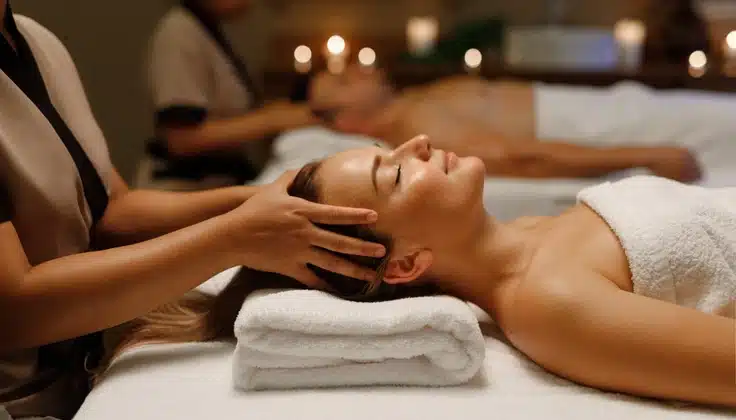
A head massage spa treatment is a focused therapy that works on the scalp, temples, forehead, neck, and upper shoulders to release built-up tension and encourage deep relaxation. Many modern therapies are inspired by the traditional Indian practice of Champissage, more commonly known today as Indian head massage. For centuries, this Ayurvedic-inspired practice has been used not only to relax the body but also to restore mental balance and improve overall well-being. Unlike a full-body massage, a head massage targets the areas where stress tends to accumulate first.
What Happens During a Professional Head Massage?
A professional head massage at Tattva Spa is designed to relax the mind, relieve muscular tension, and promote overall well-being. Rooted in traditional Indian massage techniques, this 30-minute therapy focuses on the scalp, head, neck, and shoulders using gentle fingertip movements and rhythmic pressure to restore balance and relaxation.
Step 1: Gentle Finger-Comb Movements
The session begins with soothing finger-comb strokes across the scalp. These gentle movements help relax the scalp muscles, improve circulation, and prepare the head for a deeper therapeutic massage.
Step 2: Refreshing Scalp Massage
Using rhythmic palm and fingertip techniques, the therapist massages the entire scalp to stimulate blood flow, ease mental fatigue, and create a calming sensation throughout the body.
Step 3: Temple and Forehead Pressure Point Therapy
Special attention is given to the temples and forehead, where targeted pressure point techniques help release built-up tension caused by stress, headaches, prolonged screen time, or mental fatigue.
Step 4: Circular Hairline Massage
Gentle circular movements along the hairline further relax the scalp, encourage healthy circulation, and deepen the feeling of relaxation while reducing tightness around the head.
Step 5: Eyebrow Pressure Point Relaxation
The therapy concludes with specialized pressure point techniques around the eyebrows and upper face, helping relieve eye strain, calm the nervous system, and leave you feeling refreshed and mentally rejuvenated. The treatment also includes relaxation of the neck and shoulders, as tension in these areas often contributes to headaches and stress.
Why Has Indian Head Massage Remained Popular for Generations?
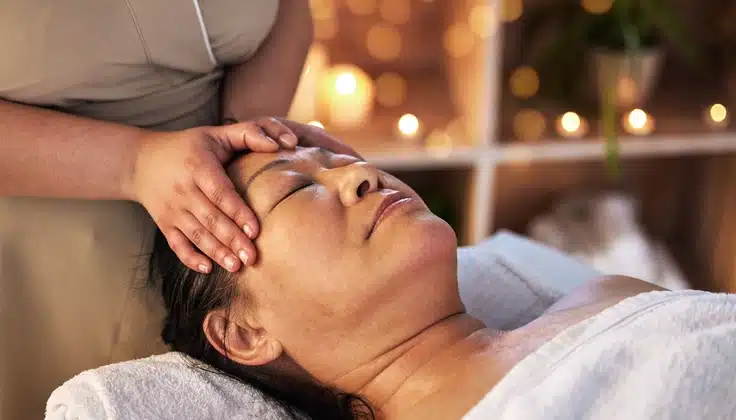
The enduring popularity of Indian head massage benefits lies in its simplicity. Unlike treatments that focus only on one concern, this therapy supports several aspects of well-being at once. Rather than treating symptoms individually, it addresses the interconnected relationship between the head, neck, shoulders, and nervous system. This holistic approach is one reason the therapy continues to be widely practised in wellness centres around the world.
The Benefits Go Beyond Relaxation
Many people book a head massage for stress relief, but the effects often extend well beyond simply feeling relaxed.
1. It Helps Reduce Everyday Stress
One of the immediate effects of a head massage is the calming sensation that follows as muscles begin to relax. For individuals balancing demanding work schedules or busy family lives, this quiet period allows the mind to slow down and reset.
2. It Eases Tension Headaches
Many headaches are linked to tight muscles around the neck, shoulders, temples, and scalp. By relaxing these areas, massage therapy may help reduce the frequency and intensity of tension-related headaches.
3. It Supports Healthy Scalp Circulation
Massage stimulates blood flow to the scalp, helping deliver oxygen and nutrients to the hair follicles. While massage alone isn’t a treatment for hair loss, improved circulation supports overall scalp health.
4. It Relieves Neck and Shoulder Tightness
Head massages naturally extend into the upper neck and shoulders, helping loosen muscles that become stiff after long hours at a desk.
5. It Encourages Better Sleep
Many guests report sleeping more comfortably after a massage because the body enters a more relaxed state. Better relaxation often translates into better rest.
6. It Promotes Mental Clarity
Have you ever noticed how much easier it is to think after taking a proper break? Massage provides that same mental reset by creating space away from constant stimulation.
Who Can Benefit Most from Regular Head Massages?
Although almost anyone can enjoy a cranial massage therapy session, it can be particularly beneficial for:
- Professionals spending long hours on computers
- Students preparing for examinations
- People experiencing frequent tension headaches
- Individuals dealing with workplace stress
- Those with neck and shoulder stiffness
- Anyone looking to improve their scalp care routine
With Oil or Without Oil: Which Is Better?
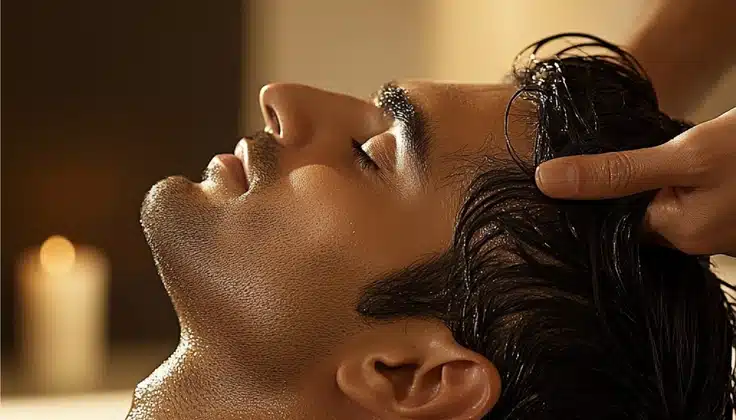
One of the most common questions people ask before booking a session is whether to choose an oil-based massage or a dry massage. The answer depends on your goals.
1. Oil-Based Head Massage
Warm nourishing oils provide additional hydration to the scalp while enhancing relaxation. Many guests choose this option when they also want to support hair and scalp health.
2. Dry Head Massage
Dry massage focuses entirely on pressure techniques and muscle relaxation without applying oils. It is often preferred by guests visiting during work breaks or before social engagements. Both approaches offer excellent relaxation benefits, making the choice largely a matter of personal preference.
How Often Should You Get a Head Massage?
Like exercise and healthy eating, the benefits of massage are most noticeable when practised consistently. For general wellness, a professional head and scalp massage every two to four weeks helps manage everyday stress and maintain relaxation. People experiencing frequent headaches, demanding work schedules, or persistent neck tension may benefit from more regular sessions based on professional guidance.
How to Get the Most from Your Session?
A few simple steps can help you enjoy the full benefits of your treatment. If you’ve chosen an oil-based massage:
- Leave the nourishing oil on for a few hours, or overnight if advised, to maximise scalp and hair benefits.
- Stay hydrated after the session.
- Avoid immediately returning to stressful activities if possible.
- Allow your body and mind time to absorb the feeling of relaxation.
These small habits can extend the effects of the massage well beyond the treatment room.
Final Thoughts

Modern lifestyles ask our minds to stay active almost every waking hour. While we often recognise physical fatigue, the tension stored in our scalp, temples, neck, and shoulders frequently goes unnoticed. A professional head massage spa experience offers more than temporary relaxation. It provides an opportunity to pause, release accumulated stress, improve circulation, and restore a sense of mental clarity. Whether you choose a traditional Indian head massage, an oil-based scalp massage spa treatment, or a soothing cranial massage therapy, making it a regular part of your wellness routine can help you feel more balanced, focused, and refreshed in everyday life.
Frequently Asked Questions
1. I’ve never had a head massage before. What should I expect during my first session?
If it’s your first visit, there’s nothing to worry about. Your therapist will begin with gentle techniques around the scalp, temples, neck, and shoulders before adjusting the pressure to your comfort level. The session is designed to help you relax completely, leaving you feeling refreshed rather than overwhelmed.
2. Can a head massage really help if my headaches are caused by long hours in front of a computer?
If your headaches are linked to muscle tension from prolonged screen time or poor posture, a professional head massage for stress relief may help relax tight muscles around the scalp, neck, and shoulders. While it isn’t a medical treatment for migraines, many people notice reduced tension and greater comfort after regular sessions.
3. Should I choose an oil-based head massage or one without oil?
It depends on what you’re looking for. If your priority is nourishing your scalp and hair, an oil-based massage is an excellent choice. If you simply want to unwind during a lunch break or before an event, a dry head and scalp massage provides the same calming experience without leaving oil in your hair.
4. I don’t have headaches, so is a head massage still worth getting?
Absolutely. Many people book a head massage spa treatment not because they’re in pain, but because they want to prevent stress from building up. Regular sessions can help you relax, improve mental clarity, reduce muscle tightness, and create a healthy pause in an otherwise busy routine.
5. How often should I book a head massage if I have a stressful job?
If your work involves long hours, constant meetings, or extensive screen time, booking a professional scalp massage spa session every two to four weeks can help manage accumulated tension. Regular treatments often provide better long-term benefits than waiting until stress or discomfort becomes difficult to ignore.
Popular Blogs