Login
Login
Hydrotherapy Benefits: How Jacuzzi Baths Relax Tired Muscles
Hydrotherapy uses the properties of water, particularly warmth, buoyancy, and movement, to create a relaxing experience for the body. Jacuzzi baths combine warm-water immersion with rhythmic jets that can help ease everyday muscle tension, encourage circulation, and provide a calming break from physical and mental stress. They can be particularly appealing after long hours at a desk, extended travel, exercise, or a demanding day. At selected Tattva Spa locations, our Jacuzzi Bliss experience brings these elements together through warm water and gentle jets, offering a focused way to relax and allow the body to gradually release tension.
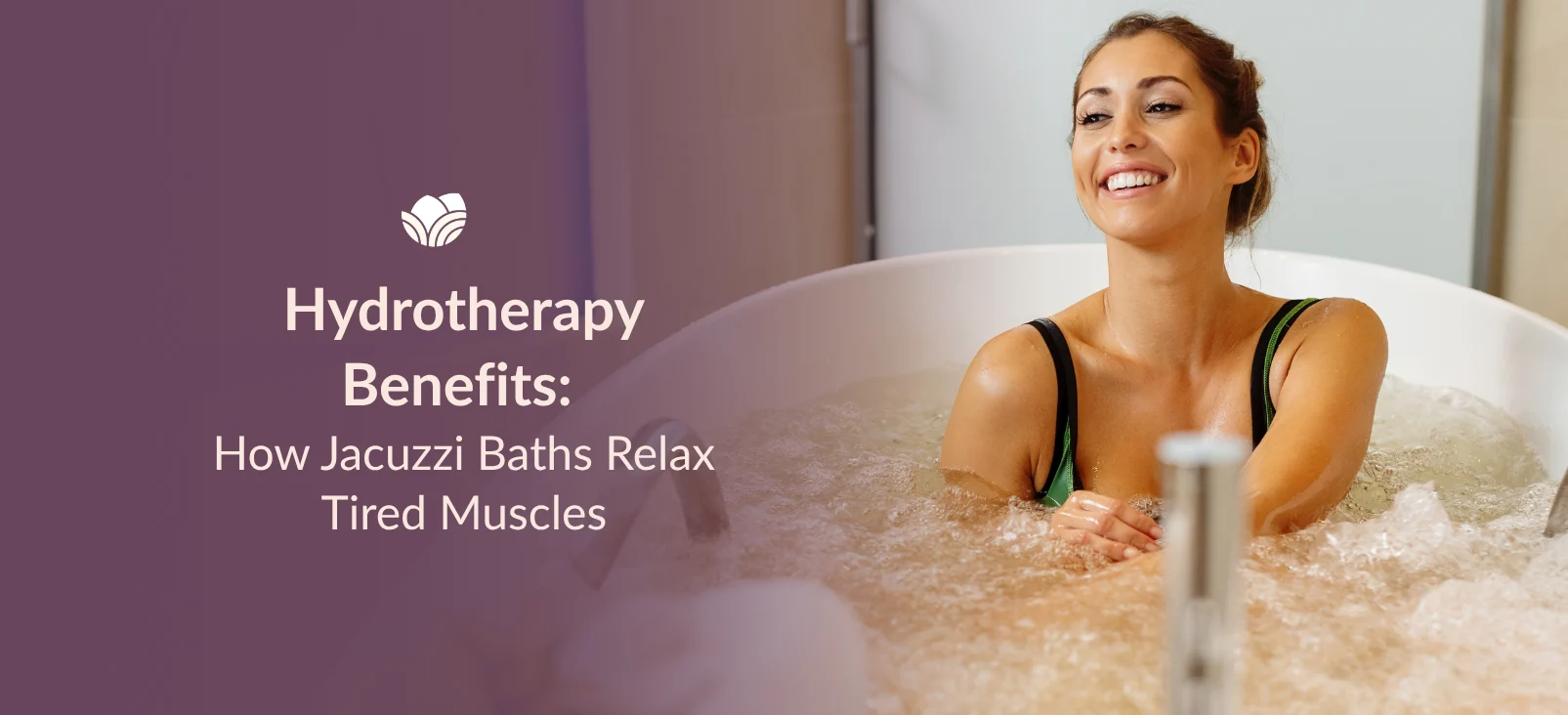
After a long day, muscle fatigue does not always disappear when the work ends. Hours at a desk, an intense workout, prolonged travel or simply remaining in one position for too long can leave the body feeling stiff and uncomfortable. A warm bath is often one of the simplest ways to slow down. Add controlled water jets and the experience changes further: the warmth surrounds the body while moving water applies gentle pressure to different areas. This is the principle behind jacuzzi-based hydrotherapy experiences. At a spa, a jacuzzi is not simply a place to sit in warm water. When warmth, buoyancy and water movement are combined thoughtfully, they can create conditions that encourage muscle relaxation and help the body shift from physical tension towards rest.
What Is Hydrotherapy?
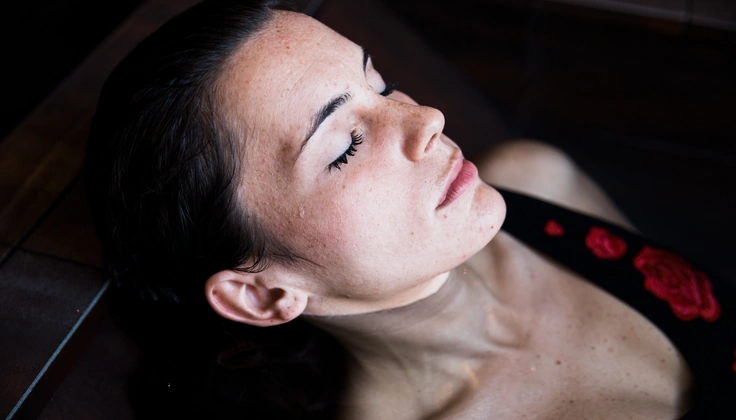
Hydrotherapy is the use of water as part of a wellness or therapeutic experience. It can involve immersion, water movement, temperature changes, or exercises performed in water. For relaxation, warm-water hydrotherapy works through several simple physical effects. Heat can increase blood flow near the skin and help muscles feel less tense, while buoyancy reduces the amount of weight the body has to support. Moving water adds another layer by applying gentle pressure against the body. Research into warm-water immersion has found changes in circulation and other cardiovascular responses, although the effects depend on factors such as temperature, duration, and the individual. The appeal, therefore, is not based on one single benefit. It is the combination of warmth, water, and reduced physical load.
How Does a Jacuzzi Help Relax Tight Muscles?
Consider what happens after sitting at a workstation for several hours. The shoulders may remain slightly raised. The neck stays in one position. The hips and lower back carry the pressure of prolonged sitting. None of this may feel significant at the moment, but by evening the accumulated tension can become difficult to ignore. A jacuzzi creates conditions in which the body can let go of some of that tension. Warm water raises the temperature of the tissues exposed to it, while buoyancy supports the body and reduces the effort required to maintain a position. The jets then move water against the body, creating a gentle massaging sensation. This is the basis of jacuzzi bath muscle relaxation. The experience does not replace massage therapy or medical care. Instead, it provides a different approach to easing ordinary physical tension—one that relies on warmth and water movement rather than manual pressure.
Why the Water Jets Matter
A warm bath and a jacuzzi are not quite the same experience. In a conventional bath, the primary effect comes from immersion and warmth. A jacuzzi adds movement through strategically placed jets, creating a continuous sensation of water pressure against the body. The pressure is not equivalent to a therapist’s hands, nor is it intended to be. Its appeal lies in its consistency. For someone with tired shoulders after a day of meetings, heavy legs after sightseeing, or general stiffness after travel, that rhythmic movement can make the experience feel more active than simply sitting in warm water. At our selected locations, Jacuzzi Bliss brings these elements together through warm water and bubbling jets that gently surround the body. The experience is designed around relaxation, with the water movement providing a soothing, massage-like sensation while the warmth encourages the body to settle.
Hydrotherapy Benefits Beyond Muscle Relaxation
Muscle relaxation may be the most noticeable effect, but it is not the only reason people turn to warm-water experiences.
1. Circulation
Heat causes blood vessels near the skin to widen, increasing peripheral blood flow. Warm-water immersion can therefore create a feeling of warmth throughout the body while supporting circulation. The combination of warm water and moving jets can make this particularly noticeable around areas exposed to the water.
2. Stress Relief
Physical tension and mental stress often arrive together. A person finishing a demanding workday may not simply have tight shoulders; they may also find it difficult to switch off mentally. A quiet period in warm water creates a physical pause from work, notifications, and daily responsibilities. This is an important part of the hydrotherapy benefits people experience: the opportunity to slow down.
3. A Sense of Physical Lightness
Water’s buoyancy changes how the body feels. When immersed, the body is supported by the water rather than carrying its full weight in the usual way. This can make movement and positioning feel easier, particularly when the body feels tired after prolonged sitting or travel.
Who Can Benefit From a Jacuzzi Experience?
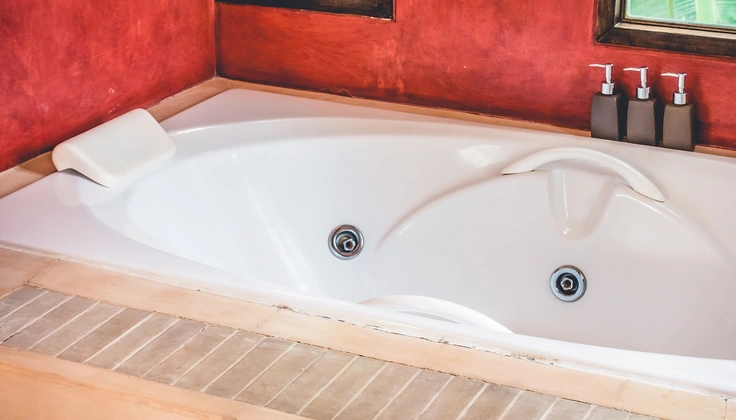
A jacuzzi can be particularly appealing to people whose daily routines create ordinary physical tension. This includes professionals who spend most of their day at a desk, people who commute long distances, travellers recovering from extended journeys, and those who exercise regularly. It can also simply suit someone who wants a quieter way to end a demanding day. You do not need to be dealing with a specific physical problem to enjoy hydrotherapy. The experience can be part of a broader approach to relaxation and personal well-being. However, people with certain health conditions should take precautions. Pregnant individuals should consult a healthcare professional before using a hot tub, and people with relevant cardiovascular or other medical concerns should seek appropriate advice. The CDC recommends that hot-tub water should not exceed 40°C (104°F) and advises against consuming alcohol before or during hot-tub use. Proper maintenance also matters. Warm, aerated water can support the growth and spread of certain microorganisms if hot tubs are not correctly cleaned, disinfected, and maintained.
Making a Jacuzzi a Part of a Spa Experience
The most effective wellness experiences do not necessarily require several treatments. Sometimes, the value comes from choosing the right experience for what the body needs at that moment. Someone arriving after a long journey may want warmth and quiet rather than an intensive treatment. Another person may prefer to combine water-based relaxation with a massage. The choice depends on the individual’s routine, comfort and reason for visiting. This is how we approach wellness at Tattva Spa. Our Jacuzzi Bliss experience is available at selected locations as a focused enhancement for guests who want to spend time in warm water with gentle, rhythmic jets. It is not positioned as a cure or a substitute for treatment; it is simply another way to give the body a chance to slow down and relax.
Final Thoughts
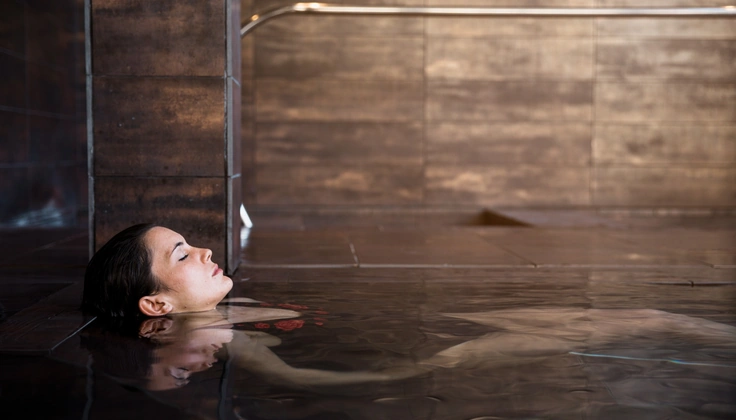
The body does not always need another demanding activity to feel better. Sometimes it needs the opposite. Warm water can soften the feeling of physical tension. Buoyancy can make the body feel supported. Gentle jets can provide rhythmic pressure. And for a short period, there is nothing to achieve, carry or rush towards. That is what makes hydrotherapy relevant to modern lifestyles. For someone coming out of a long workday, returning from a journey, or simply looking for a different way to unwind, a jacuzzi offers more than warm water. It creates a setting where physical relaxation can happen gradually. At our selected Tattva Spa locations, we bring that idea to life through Jacuzzi Bliss—a simple water-based experience centred on warmth, gentle movement and relaxation. Sometimes, giving the body a little less to do is exactly what it needs.
FAQs
1. I sit at a desk for most of the day. Can a jacuzzi help with that tired, stiff feeling?
It can be a relaxing option when prolonged sitting leaves your body feeling tight or heavy. Warm water helps create a comfortable environment for the muscles to loosen, while the gentle movement of the jets adds light pressure. It can be particularly soothing for everyday tension in the back, shoulders and legs.
2. Is a jacuzzi better than taking a regular warm bath after a tiring day?
Both can be relaxing, but a jacuzzi adds the movement of water jets to the warmth and immersion. The jets create a gentle, rhythmic pressure against the body, while buoyancy supports your weight. If you enjoy the sensation of a light water massage, a jacuzzi can offer a more immersive experience.
3. I travel frequently and feel stiff after long journeys. Would hydrotherapy be useful?
A warm-water experience can be a comfortable way to unwind after spending several hours sitting during a flight, train journey, or road trip. The warmth, buoyancy, and gentle water movement can help you feel less physically tense. It is best viewed as relaxation and recovery from travel fatigue, not medical treatment.
4. Can I use a jacuzzi after exercising or playing sports?
A jacuzzi can be enjoyable after physical activity when your main aim is to relax and ease the feeling of tired muscles. However, it should not be considered a guaranteed method of speeding athletic recovery or treating an injury. If you have significant pain or an acute injury, appropriate medical advice is more important.
5. What should I expect during a jacuzzi session at Tattva Spa?
At our selected locations offering Jacuzzi Bliss, you can expect warm water surrounding the body while bubbling jets create gentle, rhythmic movement. The experience is designed for relaxation rather than intensive therapy. You can simply settle into the warmth, allow the water to move around you, and give yourself uninterrupted time to rest.
Popular Blogs