Login
Login
Prolonged Summer Fatigue – Why is Everyone Blaming the Jyeshtha Maas?

At some point or the other, we always feel a little worried at the onset of peak summer. While summer has its own unique offerings: longer evenings, delicious seasonal fruits like mangoes and watermelons, chilled drinks like chaas and aam panna, and the joy of calmer terrace evenings; it is the afternoon that feels the most demanding, especially during the peak heat of May and June.
Have you ever wondered why that is?
In the Hindu lunar calendar, this intense summer period is associated with Jyeshtha Maas, known as the peak summer month. In 2026, Jyeshtha Maas began on 2 May and stretches across nearly 60 days because of Adhik Maas (extra month) this year, with Adhik Jyeshtha from 17 May to 15 June, followed by Nija Jyeshtha from 16 June onwards. Normally, this is 30 days.
You see, the lunar Hindi calendar (Panchang) and the Hindi seasons are based on the 28 days lunar month and not the solar calendar 30 days. Because the Moon’s cycle is shorter than the Earth’s yearly journey around the Sun, an extra month is added from time to time to keep the calendar aligned with the seasons.
Now that we understand the reason for the prolonged summer, it is meaningful to understand what heat does to the body — not just through weather, but through energy, digestion, fatigue, restlessness, and the body’s need to slow down.
The Ayurveda View: Pitta as the Heat Principle
In Ayurveda, Pitta is often understood as the body’s heat principle. It is linked with digestion, metabolism, transformation, intensity, and internal heat.
During Grishma Ritu, the long summer season, the body is believed to experience the effect of heat more strongly. Summer is often marked by dry winds and strong sun rays, and is associated with increased Pitta, lack of energy, dehydration, exhaustion, dryness, and lethargy.

Understanding Thermoregulation: What the Science Says
Modern science explains part of this through thermoregulation. This is the body’s process of maintaining internal temperature.
When the weather is hot, the body works harder to cool itself. It sweats, manages fluid balance, and releases heat. When heat exposure, humidity, movement, and dehydration add up, the body may begin to feel tired and uncomfortable.
How Summer Heat Affects Your Body?
Summer heat often shows up as tiredness, low energy, restless sleep, irritability, dull skin, and dehydration. Both Ayurveda and modern science point to a similar need during summer: cooling, hydration, rest, and recovery.
While Ayurveda describes this through ‘Pitta balance‘ and ‘Grishma Ritucharya‘; science explains it through heat load, fluid loss, and recovery. The language is different, but the message is close: when heat rises, the body needs support and recovery rituals that help the body recover and regulate heat properly.
Importance of ‘Siesta’: Understanding the Afternoon Rest Ritual
Rest is important during Grishma Ritu as it helps the body cool down. This is where a short afternoon nap could be helpful. Moreover, even a short pause can be very helpful. This may include sitting quietly, reducing screen time, slowing the breath, drinking something cooling, or simply stepping away from constant activity.
How to Master the Ayurvedic “Siesta”
If you decide you need an afternoon nap (especially to beat the intense summer heat) you can start by following these Ayurvedic best practices:
- Timing is Everything: Never nap right after a heavy meal. Wait at least 1 hour after lunch to ensure your digestive fire (agni) has processed the food.
- Keep it Short: Limit your nap to a maximum of 15-20 minutes. This keeps it as a “power nap” that refreshes your mind without crossing into deep, heavy sleep.
- The Left-Side Rule: If you need to lie down, try to sleep on your left side. This sleeping position aids digestion and encourages optimal circulation.
- Sit Upright (Optional): Rather than lying completely flat, you can rest in a reclined chair. This prevents excess heat and energy (Pitta) from accumulating in your head, which can cause that post-nap groggy feeling.
Some Alternatives to Napping That You Can Try
If you feel a slump in your energy but don’t want to take the afternoon nap, then you can try these Ayurvedic alternatives to recharge:
- Practice Yoga Nidra: Instead of sleeping, lie down in Shavasana (corpse pose) and consciously guide your awareness through your body to relax your nervous system.
- Go for a Mindful Stroll in evenings: A 10-minute walk is a great way to banish sluggishness and wake up your senses.
- Legs Up the Wall (Viparita Karani): This restorative yoga pose helps soothe the nervous system and relieves fatigue without triggering a sleep state.
- Nadi Shodhana (Alternate Nostril Breathing): A 5-minute breathing session can also be helpful in restoring mental focus.
How To Cope With Summer Heat?
Summer care does not have to be complicated. Even small changes in your daily routine can help the body feel more supported. Here are some tips:
- Choose lighter meals and avoid overeating during the hottest hours of the day.
- Keep sipping water, coconut water, chaas, or other cooling drinks through the day.
- Avoid stepping out during peak afternoon heat whenever possible.
- Wear breathable fabrics and keep the body cool without sudden temperature shocks.
- Take short pauses between work, travel, and screen time.
- Use calming aromas, body care rituals, and gentle massage to help the senses slow down.
- Prioritise rest, especially when the body feels heavy, dull, or unusually tired.
Your Summer Ritual at Tattva Wellness Spa
Did you know that massage therapies and spa rituals can be especially comforting during the summer months? They help the body slow down and move into a calmer state. When heat makes the body feel heavy or tired, gentle massage, foot reflexology, body care, and post-therapy quiet can be quite helpful in creating a cooling sense of ease.
At Tattva Wellness Spa, this rest ritual can be experienced through a soothing Swedish Massage, Signature Tattva Yoga Massage Therapy, or a simple Head and Foot Massage routine for the afternoon.
A Swedish Massage can help the body move into a calmer state when the day feels long and tiring. Signature Tattva Yoga Massage brings together assisted stretches, pressure, and guided breathwork for bodies that feel stiff or locked from work, travel, or fatigue. A Head and Foot Massage can be a simple yet effective pause when the mind feels heavy and the body needs focused comfort. And, the best part — one can also choose an oil of their choice from our unique five different blends — Vishram, Pranati, Sparsh, Vimukti, and Ojas.
Furthermore, body scrub therapies during summer season can also help refresh the skin after heat, sweat, and dullness and the post-therapy quiet allows the body to settle before returning to the day.
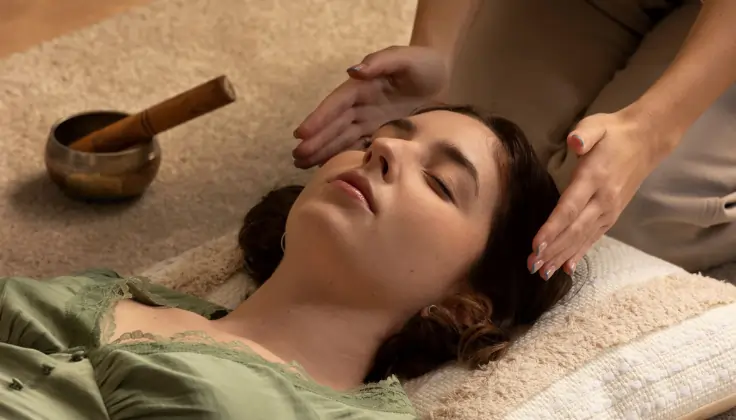
This blog was about understanding the effects that peak summer heat can have on our bodies and how one can cope through easy summer rituals like taking plenty of fluids, eating light meals, practising ‘Siesta’ routine and incorporating spa and massage rituals to help the body release excess heat and cool down.
For more such informative content on seasonal wellness, Ayurveda-inspired rituals, and spa care, stay connected with Tattva Wellness Spa. Explore our therapies and discover simple ways to help your body slow down, recover, and return to balance.


Popular Blogs