Login
Cold Plunge for Athletes: Benefits for Recovery and Performance
A cold plunge can help athletes manage post-workout muscle soreness and tightness, particularly after demanding training or endurance exercise. Cold water immersion may offer short-term recovery benefits, but its effects depend on the type of exercise, timing and frequency. For athletes, a controlled session at 10–15°C, with beginners starting at around one minute and experienced users limiting immersion to three minutes, can be part of a considered recovery routine. However, frequent cold plunging immediately after strength training may interfere with muscle growth adaptations. Understanding when to use it, how long to stay immersed, and the relevant health precautions helps athletes make informed recovery choices.
Training consistently requires more than physical effort. Athletes must also give their bodies enough time to recover between workouts, competitions and demanding practice sessions. Whether someone is preparing for a marathon, working towards strength goals, or playing competitive sport, muscle soreness and physical fatigue can influence the next training session. Cold-water immersion has become a familiar recovery practice among professional athletes and fitness enthusiasts. A cold plunge for athletes involves brief immersion in chilled water, allowing the body to respond to controlled cold exposure. However, its usefulness depends on the type of training, recovery requirements and individual goals. For active individuals balancing work, gym sessions, running, and recreational sports, understanding when and how to include cold exposure can help make recovery a more considered part of their routine.
What Is Cold Plunge Therapy for Athletes?
Cold plunging is a form of cold-water immersion in which the body is immersed in chilled water for a controlled period. Athletes commonly use it following demanding physical activity to manage soreness and support short-term recovery. When the body enters cold water, blood vessels near the skin constrict, breathing may become faster, and the nervous system responds to the sudden temperature change. This initial response gradually settles as the individual adjusts to the sensation. Controlled breathing and a measured immersion period help make the experience more manageable. Unlike an ordinary cold shower, a structured session involves temperature regulation, guided exposure and attention to individual tolerance. The purpose is to introduce cold exposure in a controlled manner rather than staying immersed for an extended period.
Why Do Athletes Use Cold Plunges for Recovery?
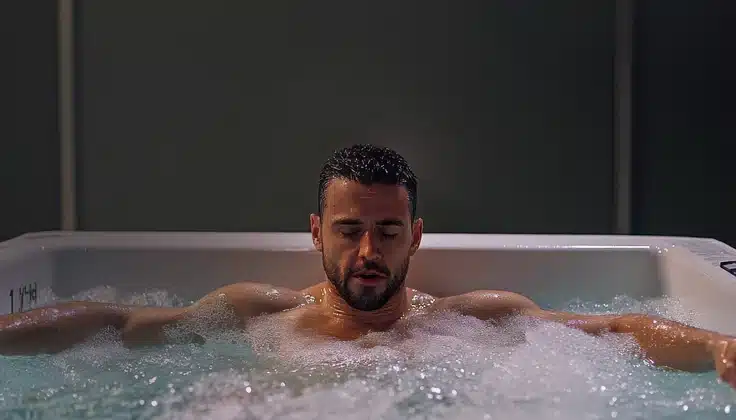
Athletes often follow training schedules that involve repeated physical exertion, sometimes with limited recovery time between sessions. Runners may experience tired legs after long distances, while strength athletes can experience soreness following demanding resistance workouts. Ice-cold-water immersion for athletes is commonly considered when short-term recovery is a priority. It offers a way to manage perceived muscle soreness and physical fatigue, particularly when another training session or competition is approaching. The practice is relevant to different sports, including running, cycling, swimming, football, and strength training. However, the reason for using it may differ according to the athlete’s training programme and performance goals.
What Are the Cold Plunge Benefits for Muscle Recovery?
Ice-cold-water immersion offers several potential benefits, particularly for post-exercise soreness and perceived recovery.
1) Helps Manage Delayed Onset Muscle Soreness
Delayed Onset Muscle Soreness (DOMS) commonly develops several hours after strenuous or unfamiliar exercise. It can affect everyday movement and make subsequent workouts uncomfortable. Studies suggest that ice-cold-water immersion can help reduce perceived soreness during the recovery period following demanding physical activity.
2) Supports Short-Term Physical Recovery
Some athletes report feeling less fatigued and more comfortable following immersion. However, these outcomes vary across studies and do not necessarily translate into improved athletic performance.
3) Encourages Alertness
The sudden sensation of cold produces an immediate physiological response that can leave the body feeling more awake and alert. Maintaining controlled breathing during immersion also encourages awareness of breathing patterns and physical responses.
How Does Cold Water Immersion Help With Post-Workout Soreness?
Post-workout soreness is associated with the physical stress muscles experience during exercise, particularly activities involving unfamiliar movements or eccentric muscle contractions. Ice-cold-water immersion has been known as a recovery method because exposure to lower temperatures influences blood flow near the skin and the body’s response to exercise-related stress. Systematic reviews have found that it can reduce perceived muscle soreness compared with passive recovery in certain settings. However, feeling less sore does not necessarily mean that the muscles have completed their repair or adaptation process. Rest, sufficient nutrition, hydration and appropriate training progression remain essential parts of recovery.
When Should Athletes Take a Cold Plunge?
The timing depends on the exercise performed and the athlete’s immediate requirements. Following a demanding competition, endurance event, or closely scheduled training sessions, cold exposure may be considered when reducing soreness and improving short-term comfort are priorities. For athletes following a structured strength programme, the decision requires more attention. Regular cold-water immersion immediately after resistance training may interfere with some muscle-building adaptations. Therefore, using it after every workout may not suit individuals whose primary goal is muscle growth. The choice should reflect the training phase, upcoming physical demands, and the type of recovery required.
What Are the Recommended Cold Plunge Duration and Temperature?
Temperature and exposure time are important considerations when planning a cold-water immersion session. Our guided Cold Plunge experience uses temperature settings between 10°C and 15°C. The recommended immersion duration is:
- Beginners: Start with one minute.
- Experienced guests: Up to three minutes.
Beginners can start with one session per week to build tolerance and gradually increase to two to four sessions per week. The complete appointment lasts 20 minutes, allowing time for preparation, guidance and recovery around the core immersion.
Cold Plunge Recovery: Does Your Workout Type Matter?
The usefulness of cold exposure can differ according to the type of exercise.
1) After endurance exercise: Runners, cyclists and swimmers may consider immersion following particularly demanding sessions or competitions, especially when managing soreness and preparing for another event are priorities.
2) After strength training: Resistance exercise stimulates the processes involved in muscle repair, strength development and hypertrophy. Athletes focused on increasing muscle size or strength should therefore consider limiting its routine use immediately after resistance workouts.
This distinction helps athletes choose recovery practices according to their training objectives rather than following the same approach after every session.
What Are the Limitations and Precautions of Cold Plunging?
Cold exposure requires appropriate preparation and individual health assessment. People with cardiovascular disease or uncontrolled hypertension should consult a medical professional before participating. Cold Plunge is not recommended during pregnancy. A history of blood clots, peripheral vascular conditions, recent surgery, epilepsy or other health concerns should also be disclosed during the initial consultation. Before entering the water, guests should take a quick shower and wear appropriate swimwear. Enter gradually with feet first, using the handrail. Maintaining slow, steady breathing is important throughout the experience. Guests should follow the guided immersion time, avoid adjusting the water temperature themselves and leave whenever they feel uncomfortable. An immediate hot shower afterwards should also be avoided. Dizziness, numbness, breathing difficulty, or unusual discomfort requires the session to stop.
How to Include Cold Plunging in an Athletic Recovery Routine
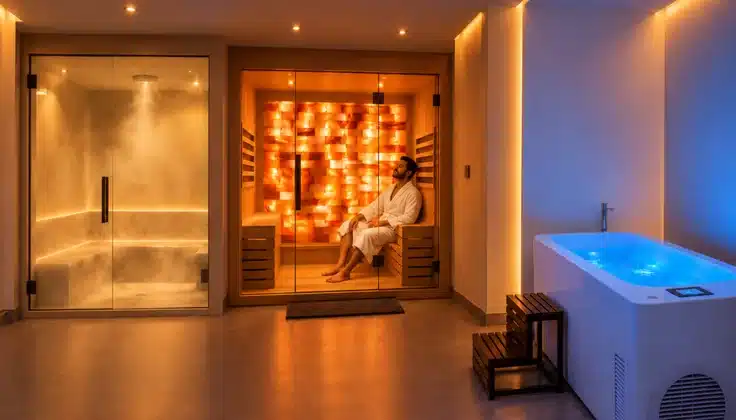
A balanced recovery routine begins with consistent sleep, appropriate nutrition, hydration and sufficient rest between demanding workouts. Cold exposure can be considered an additional practice when it aligns with the athlete’s immediate recovery needs. For individuals with active schedules around Golf Course Road, Gurugram, recovery may need to fit between professional commitments, gym sessions and recreational activities. A planned approach helps ensure that recovery practices complement, rather than interrupt, training goals. Our sessions at Tattva Wellness Spa, located on Golf Course Road, Gurugram, include a health and wellbeing consultation, controlled breathing guidance and an immersion experience adjusted to the guest’s requirements. The emphasis remains on understanding individual tolerance and allowing adequate time for preparation and recovery. Ultimately, effective athletic recovery is not about adding more treatments or increasing exposure. It is about understanding what the body needs after physical exertion and choosing practices that support consistent, sustainable training.
FAQs
Can I take a cold plunge on the morning of a competition?
You can, but the timing and your response to cold exposure matter. A cold plunge immediately Before competing, you may feel temporarily stiff or notice reduced explosiveness in your movements. Avoid trying it for the first time on a competition day. Test your response during training and follow a recovery plan suited to your sport.
Is a cold plunge useful when I have two training sessions in one day?
When you have back-to-back sessions, managing soreness and fatigue between workouts becomes important. Ice-cold water immersion may help reduce perceived muscle soreness, although its effect on your next performance can vary. Consider your training intensity, recovery time and performance goals before making it part of your between-session routine.
Should runners use a cold plunge after a long-distance run?
After a long run, your legs may feel heavy, tired or sore. Ice-cold water immersion may help reduce perceived soreness and support short-term recovery. However, it does not replace adequate nutrition, hydration, sleep or gradual training progression. Consider it as one recovery option rather than a substitute for these essentials.
Can a cold plunge help me recover after a marathon or tournament?
After a marathon or multi-day tournament, muscle soreness and fatigue can affect your usual routine. Cold water immersion may offer short-term relief from soreness, but recovery still depends on rest, hydration, nutrition and the intensity of the event. Allow your body adequate recovery time before returning to demanding training.
Is it better to take a cold plunge or an ice bath after exercise?
Both involve ice-cold-water immersion, but the water temperature and setup can differ. The terms are sometimes used interchangeably, so the name alone does not determine the recovery effect. Pay attention to the actual water temperature, exposure time and your tolerance rather than assuming that colder water produces better results.
Popular Blogs
 Best Recovery Therapies for Athletes: Sauna, Cold Plunge or Leg Compression?