Login
Best Recovery Therapies for Athletes: Sauna, Cold Plunge or Leg Compression?
The best recovery therapy for athletes depends on their training goals, muscle soreness and recovery needs. Infrared sauna may help ease muscle tension and promote relaxation, cold plunge can help reduce post-exercise soreness, and leg compression supports circulation and may relieve tired, heavy legs. Each option serves a different purpose, so athletes should choose based on their exercise routine, recovery timeline and health considerations. Combining therapies may be suitable for some people, while those focused on muscle growth may prefer to avoid immediate cold-water immersion after strength training.
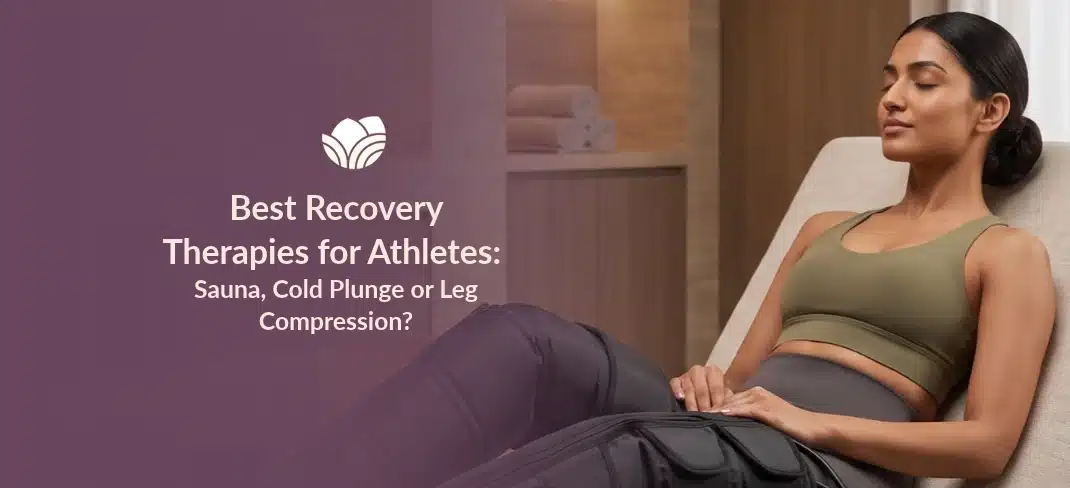
Training places repeated demands on the body, whether it involves lifting weights, running long distances, playing competitive sports or maintaining a regular fitness routine. Muscles need time to recover from this physical effort, particularly when workouts are frequent or the next training session is approaching. For athletes balancing demanding schedules, recovery is an important part of maintaining consistency without overlooking physical fatigue. The best recovery therapies for athletes depend on what the body needs after exercise. Infrared Sauna, cold-water immersion and Leg Compression offer different approaches to managing soreness, stiffness and tired legs. Understanding these differences helps athletes choose a suitable recovery routine rather than assuming one treatment works equally well for every sport.
Why Recovery Matters for Athletes

Exercise challenges muscles and other body systems, prompting adaptations that support future performance. Adequate rest, sleep, nutrition and hydration help the body respond to training demands. Complementary recovery treatments can support comfort and relaxation, but they cannot replace these fundamentals. For people balancing gym sessions, running, recreational sports and demanding workdays, the practical question is often how to recover comfortably between activities without adding unnecessary strain.
What Causes Post-Workout Muscle Fatigue?
Muscle fatigue can develop after prolonged exercise, high training intensity, repetitive movements, or an unfamiliar workout. Delayed-onset muscle soreness may appear several hours after exercise and persist for a few days. Runners and cyclists may notice heavy legs following endurance sessions, while strength training can leave particular muscle groups sore or stiff. The most appropriate post-workout recovery therapy depends on the exercise performed, the athlete’s next training session, and whether the priority is relaxation, perceived soreness, or leg fatigue.
How Infrared Sauna Therapy Supports Athletic Recovery
An Infrared Sauna uses infrared heat to warm the body in a dry environment. Our Himalayan Salt Infrared Sauna combines this warmth with natural Himalayan salt brick panels in a 40-minute experience designed to support relaxation, circulation and muscular comfort. For athletes, this approach may be worth considering when stiffness and physical tension make relaxation a priority. Hydration and individual heat tolerance remain important considerations.
Is Cold Plunge Therapy Suitable for Athletes?

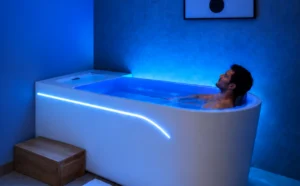
Cold-water immersion exposes the body to chilled water for a controlled period. Our Cold Plunge operates between 10–15°C, with guided breathwork supporting the experience. Beginners are advised to start with one minute, while experienced guests may progress to three minutes under appropriate guidance. Research suggests that cold-water immersion can reduce perceived muscle soreness following strenuous exercise in some circumstances. Its usefulness depends on the training goal and timing. Athletes focused on muscle growth should be particularly selective about using cold immersion immediately after resistance training, as repeated use may reduce some strength-training adaptations.
How Leg Compression Therapy Helps Tired Muscles
Pneumatic compression uses air-filled boots that inflate and deflate in a controlled sequence. Our system applies rhythmic compression across four areas: the foot, lower calf, upper calf and thigh. The treatment is designed to support circulation and natural lymphatic drainage while helping relieve heaviness, fatigue, and muscular tightness. Leg compression therapy for athletes may appeal to runners, cyclists and people who spend long hours standing or travelling. Research indicates potential benefits for perceived soreness, although improvements in muscle function and objective performance are less consistent. It is best viewed as a complementary recovery option rather than a guaranteed way to accelerate recovery.
Sauna vs Cold Plunge vs Leg Compression for Muscle Recovery
Each approach serves a different purpose, so the choice should reflect the athlete’s immediate needs.
Infrared sauna: Consider when relaxation, warmth and relief from muscular stiffness are the main priorities.
Cold plunge: Consider when managing post-exercise soreness is important, particularly during demanding competition schedules.
Leg compression: Consider when heavy, tired legs and post-activity discomfort are the primary concerns.
No single treatment is universally superior. Research findings vary according to the therapy protocol, exercise type, and outcome measured.



Which Recovery Therapy Is Best for Different Sports?
Endurance athletes, including runners and cyclists, may find compression useful when their legs feel heavy after prolonged activity. Team-sport players who compete frequently may consider cold immersion when short-term soreness management is a priority. Athletes pursuing strength and muscle growth should weigh the potential drawbacks of routine immediate cold exposure. For individuals who prefer a heat-based approach after training, infrared sauna may provide a period of relaxation, provided they are medically suitable and adequately hydrated.
Recovery After Strength Training vs Endurance Exercise
After strength training, sufficient protein intake, sleep and rest help support muscle repair and adaptation. Cold immersion should not automatically follow every workout, particularly when muscle growth is the main goal. Endurance training places sustained demands on the body, and athletes may prioritise comfort and readiness between closely scheduled sessions. A recovery method that feels useful after a long run may not be necessary after a lighter workout. Training load and the body’s response should guide the decision.
Can Athletes Combine Different Recovery Therapies?
Combining treatments can be appropriate when each has a clear purpose, and the sequence is suitable. Our Prime & Restore ritual combines infrared sauna with a 60-minute Deep Tissue Massage. Our Travel Recovery ritual brings together Jetlag Recovery Massage, leg compression, and a guided cold plunge for people recovering from long journeys. These combinations illustrate how recovery experiences can address different needs. However, adding more treatments does not necessarily produce better outcomes. Athletes should consider hydration, session intensity, medical suitability and the time available before their next workout.
How to Choose a Recovery Routine
Start by identifying the main concern, whether it is muscular stiffness, post-exercise soreness or tired legs. Consider the intensity of the previous session, the demands of upcoming training and your response to earlier recovery methods. Introduce complementary treatments thoughtfully and assess whether they improve comfort or readiness.
Safety Considerations for Sports Recovery Treatments
People with cardiovascular disease, uncontrolled hypertension, a history of blood clots or peripheral vascular conditions should seek appropriate medical advice before relevant treatments. Pregnancy, recent surgery, implanted electronic devices, acute illness and other medical considerations may also affect suitability. Follow professional instructions and remain within guided exposure times. Stop immediately if you experience dizziness, breathing difficulty, numbness, nausea or unusual discomfort. These treatments support general wellbeing and should not replace medical assessment when pain, persistent fatigue or suspected injury requires attention.
FAQs
Should I choose a sauna or cold plunge after a heavy gym session?
Your choice depends on your training goal and how your body feels. A sauna may help you relax and ease muscle tension, while a cold plunge may help reduce perceived soreness. If building muscle is your priority, avoid making immediate post-workout cold immersion a routine without considering its potential effects on muscle growth.
How soon after a workout can I use leg compression therapy?
You can consider leg compression after training when your legs feel heavy, tired or tight. The session should feel comfortable rather than painful, and the pressure should suit your needs. If you have a history of blood clots, circulation problems or a cardiac condition, seek medical advice before using compression boots.
Is a cold plunge suitable for someone who has never tried it before?
Yes, beginners can explore cold immersion gradually with appropriate guidance and health screening. Start with a brief exposure rather than trying to match an experienced athlete’s duration. At Tattva Spa, our cold plunge sessions use water maintained at 10–15°C, with beginners guided to start around one minute.
Will using a sauna help me recover faster for my next training session?
A sauna may help you unwind and ease the feeling of muscle stiffness, but it does not guarantee faster recovery or better performance. Research on post-exercise heat exposure remains limited. Sleep, adequate nutrition, hydration and suitable rest should remain the foundation of your recovery routine.
Can I use cold plunge therapy after every strength-training workout?
You may enjoy the short-term relief from soreness, but using cold immersion immediately after every strength session may not suit your long-term muscle-building goals. Research suggests it could reduce some training adaptations when used regularly. Consider your priorities and discuss a suitable recovery approach with a qualified fitness or healthcare professional.
Popular Blogs
 Best Recovery Therapies for Athletes: Sauna, Cold Plunge or Leg Compression?