Login
Leg Compression Therapy vs Foot Massage: Which Is Better for Relieving Tired Legs?
Leg compression therapy is a suitable choice for tired, heavy legs that need targeted compression and support for circulation and natural lymphatic drainage. Foot massage focuses more on soothing touch, easing local tension and promoting relaxation. The better option depends on what your legs need: compression for a structured recovery experience or massage for comfort and relaxation.
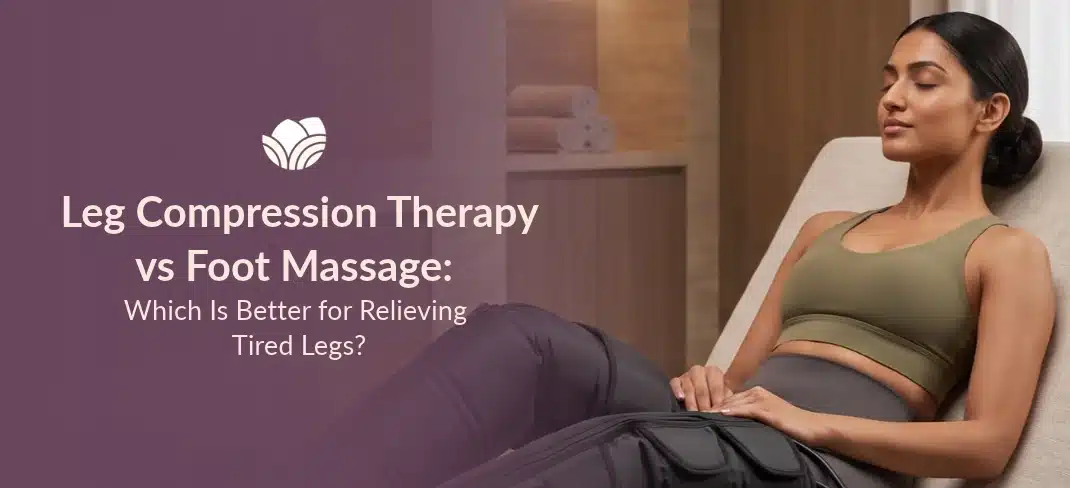
After a long day, your legs can feel tired in different ways. Someone who spends hours commuting, working at a desk or driving across Gurugram may notice heaviness around the calves and ankles. Those who walk extensively, manage retail spaces, or remain on their feet throughout the day may experience discomfort concentrated around the soles and heels. Although both situations involve tired legs, they do not always call for the same kind of relaxation. Leg Compression Therapy and Foot Massage offer two different approaches to physical comfort. One uses controlled air pressure across different sections of the legs, while the other relies on hands-on techniques to ease tension around the feet. Understanding how each works can help you decide which experience is more appropriate for your needs.
What Is Leg Compression Therapy?
Leg compression therapy is a wellness experience that uses specialised air-filled compression boots to apply rhythmic pressure across the legs. The boots inflate and deflate in a controlled sequence, creating alternating compression and release. Our Leg Compression Therapy uses four independent air chambers covering the foot, lower calf, upper calf and thigh. This arrangement allows pressure to move through different sections of the legs, supporting circulation and natural lymphatic drainage. The experience is particularly relevant for people who spend extended periods standing, travel frequently or engage in regular physical activity. It helps address the sensation of leg heaviness, fatigue, and muscular tightness that can develop through everyday routines.
Understanding Foot Massage Therapy
Foot massage is a hands-on relaxation experience that focuses on the feet and surrounding areas. It involves techniques such as gentle stroking, kneading and applying measured pressure to the soles, arches, heels, toes and ankles. The feet carry much of the body’s weight throughout the day. Extended walking, restrictive footwear and prolonged standing can leave these areas feeling strained. A focused massage gives the feet individual attention and provides an opportunity to relax. Unlike mechanical compression, the pressure and movements are guided by a therapist. The technique can be adjusted according to comfort and the areas experiencing tension. Its primary purpose is localised relaxation rather than sequential compression across the entire leg.
How Leg Compression Therapy Works
During a session, air-filled compression boots are comfortably fitted around the legs. The four chambers inflate and deflate in a rhythmic sequence, delivering targeted pressure across the feet, lower calves, upper calves and thighs. This compress-and-decompress movement supports circulation and natural lymphatic drainage. It also helps ease the feeling of heaviness and fatigue associated with long hours of standing, travel, or physical exertion. At Tattva Wellness Spa located at Golf Course Road, Gurugram, we offer this experience in 20-minute and 40-minute formats. The session allows guests to remain comfortably seated while the boots perform the compression sequence. The equipment applies pressure rather than requiring active movement from the guest.
How Foot Massage Helps With Relaxation
Foot massage works through direct contact with the soft tissues of the feet. The therapist uses different movements to address areas that feel tense or overworked. The experience can be particularly comforting after a day involving extensive walking, prolonged standing or regular movement between different work locations. Gentle attention to the soles, arches and heels can help ease localised tension and create a sense of relaxation. Foot massage is best understood as a relaxation experience rather than a replacement for medical care or treatment for circulation-related concerns.
Leg Compression vs Foot Massage: Key Differences
The main difference between these experiences is their technique and the areas they address. Leg compression therapy uses air-filled chambers to deliver rhythmic pressure across multiple sections of the legs. Its approach focuses on supporting blood circulation, promoting natural lymphatic drainage, and easing leg heaviness. Foot massage uses hands-on movements concentrated around the feet. It is primarily suited to localised tension and relaxation. The distinction becomes clearer when you consider where the discomfort occurs. Someone experiencing fatigue across the calves and thighs may prefer broader leg coverage, while someone with tired soles and heels may appreciate the focused attention of a foot massage.
Which Is Better for Tired and Heavy Legs?

The choice depends on the nature and location of the discomfort. When heaviness extends from the feet towards the calves and thighs, Leg Compression Therapy for tired legs offers a broader approach. Its sequential pressure mechanism addresses different sections rather than concentrating on one area. Foot massage may be more appropriate when discomfort is mainly around the soles, arches or heels. It provides a focused experience for people whose feet feel overworked after extensive walking or standing. Neither approach is universally better. Understanding whether the primary concern is general leg heaviness or localised foot tension makes the decision easier.
Comparing Muscle Recovery and Relaxation Benefits
Leg Compression Therapy benefits include supporting blood circulation and promoting natural lymphatic drainage while helping ease muscular tightness and physical fatigue. Its structured compression sequence makes it relevant to people with active lifestyles and demanding daily routines. Foot massage benefits are more closely associated with localised comfort and relaxation. The hands-on approach allows attention to specific areas of the feet, making it a suitable option when the intention is to unwind after a physically demanding day. However, clinical compression treatment and a general wellness session should not be treated as interchangeable.
Which Therapy Is Better After Standing or Walking All Day?
People who spend long hours standing often experience fatigue across several areas of the legs. This may include the feet, ankles and calves, particularly after a demanding workday. In such situations, Leg Compression Therapy may offer a more suitable experience because it covers four sections of the legs through sequential pressure. Foot massage, meanwhile, may be preferable when the discomfort is concentrated around the soles and heels. For office professionals, frequent travellers, and people whose work involves continuous movement, the decision should reflect the areas where fatigue is most noticeable.
Session Duration and Experience
Session duration and technique are important when choosing between the two experiences. Foot massage follows the selected treatment duration, with the therapist adjusting the movements and pressure according to comfort. Our Leg Compression Therapy is available in 20-minute Standard and 40-minute Extended sessions. Guests can settle into a comfortable position while the air-filled boots move through their compression sequence. The recommended frequency begins with one to two sessions per week. Active or athletic guests may increase this to daily use as required, subject to individual suitability and guidance.


Can You Combine Both Therapies?
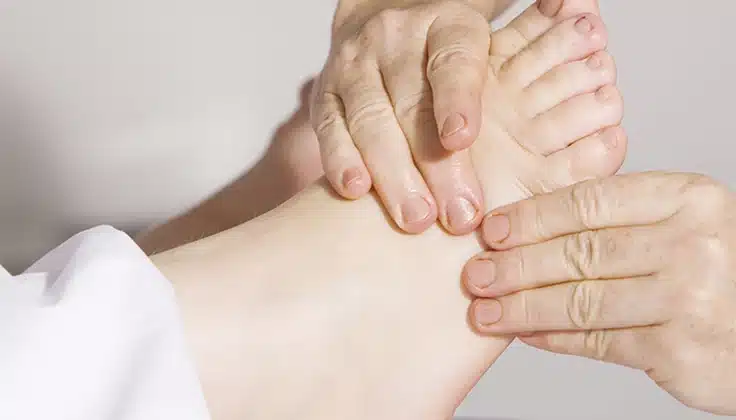
Both experiences address different aspects of physical tiredness, so combining them may be worth considering when both the feet and legs need attention. A foot massage provides focused relaxation, while compression offers a broader approach across the lower body. The suitability and sequence of combining treatments depend on individual comfort and health considerations. A consultation can help establish whether both experiences are appropriate for the same visit.
Safety Considerations
Health history is an important consideration before choosing either experience. People with a history of blood clots, peripheral artery disease or uncontrolled cardiac conditions should seek medical clearance before undergoing Leg Compression Therapy. Pregnant guests also require medical clearance. During our consultation, we ask guests to share relevant medical conditions, medications, recent surgery and other health concerns before proceeding. This helps our team understand individual requirements and determine suitability. Foot massage also requires care around injured, sensitive or inflamed areas. Unexplained swelling, sudden leg pain or persistent discomfort should be evaluated by a medical professional rather than addressed through a wellness session.
FAQs
Which is better if my legs feel heavy after a long day?
If your legs feel heavy after hours of standing, walking or commuting, Leg Compression may be the more suitable option. Its rhythmic pressure moves through the feet, calves and thighs, helping ease feelings of heaviness and fatigue. A Foot Massage may suit you better when your main need is relaxation.
Will Leg Compression help if my feet and calves feel sore?
Leg Compression may help ease tiredness and tightness across the feet and legs through gentle, sequential pressure. It is designed to support blood circulation and natural lymphatic drainage. If soreness is sharp, persistent, one-sided, or accompanied by swelling, seek medical advice before choosing a recovery session or massage treatment first.
Should I choose Foot Massage or Leg Compression after walking all day?
Think about what you want from the session. Choose a Foot Massage when you want hands-on attention and a relaxing experience focused on your feet. Consider Leg Compression when tiredness or heaviness extends through your feet, calves, and thighs after a day of walking or standing.
How often can I have Leg Compression Therapy?
A practical starting point is one or two sessions a week. People with active routines may use it more frequently, including daily when appropriate. Your comfort, activity level and health history matter, so discuss your routine with the spa team before deciding how often to schedule sessions and what feels.
Can I have a Foot Massage and Leg Compression on the same day?
You may be able to include both in your wellness routine, as they offer different experiences: one focuses on hands-on relaxation, while the other uses rhythmic air pressure. Tell the spa team what you have planned and share any health concerns so they can help assess suitability and session order.
Popular Blogs



 Best Recovery Therapies for Athletes: Sauna, Cold Plunge or Leg Compression?