Login
Login
Massage for Cervical Spondylosis: Benefits & Safe Techniques
Massage for cervical spondylosis can support symptom management by easing muscular tension around the neck, shoulders and upper back, promoting relaxation and making everyday movement feel more comfortable. Techniques such as Swedish massage, myofascial release and carefully applied trigger-point therapy may be useful when appropriate. However, massage cannot reverse the age-related changes in the cervical discs and joints that cause spondylosis. Deep or forceful neck manipulation should be avoided, particularly when pain is accompanied by numbness, tingling or weakness. Massage is therefore best used as supportive care alongside medical guidance, appropriate exercise and physiotherapy rather than as a cure for cervical spondylosis.
A stiff neck after a long day at work usually settles with rest and movement. Cervical spondylosis is different. The discomfort can return repeatedly because the problem involves age-related changes within the cervical spine, sometimes accompanied by muscular tightness around the neck, shoulders and upper back. This distinction matters when considering massage for cervical spondylosis. Massage cannot reverse changes in spinal discs or joints. What it can do, when medically appropriate, is work on the soft tissues surrounding the neck to ease tension, improve comfort and support movement. Knowing where massage helps—and where its limits lie—is essential before making it part of cervical spondylosis care.
What Is Cervical Spondylosis?
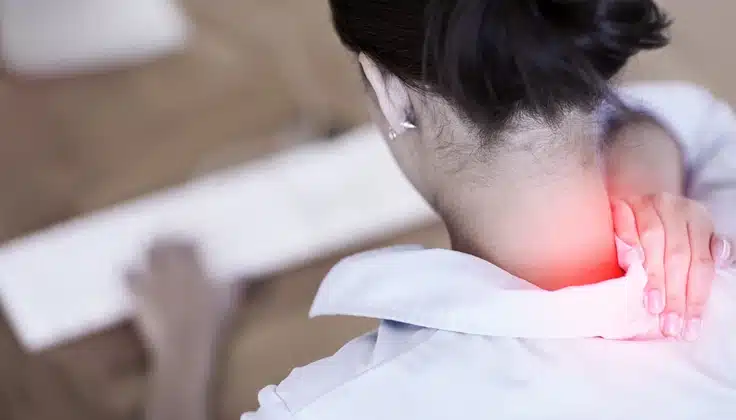
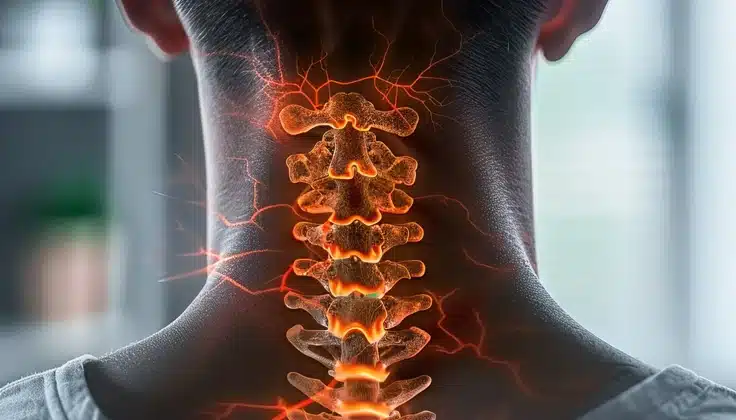
Cervical spondylosis describes age-related wear and tear affecting the discs, joints and other structures of the cervical spine. The condition becomes increasingly common with age, although the presence of degenerative changes does not necessarily mean a person will experience pain. When symptoms do occur, they may include:
- Neck pain and stiffness
- Headaches, often beginning around the back of the head
- Restricted neck movement
- Pain extending towards the shoulder or arm
- Tingling or numbness in the arms or hands
- Muscle weakness in some cases
Symptoms such as persistent numbness, weakness or pins and needles deserve particular attention because they can indicate nerve involvement and should be medically assessed.
Can Massage Help Cervical Spondylosis?
The role of cervical spondylosis massage therapy needs to be understood realistically. Massage does not repair a degenerating disc, reverse arthritic changes or remove a bone spur. Research into massage for neck pain suggests that some people may experience short-term improvements in pain and function, although the evidence remains uncertain and results vary between individuals. Its practical value lies primarily in managing the muscular consequences that can accompany cervical problems. When the neck hurts, surrounding muscles may tighten protectively. If this guarding continues, the muscular tension itself can contribute to stiffness and discomfort. Appropriate massage can work with these soft tissues without claiming to treat the structural changes underneath them.
How Can Massage Help With Cervical Pain?

1. Reducing Muscle Spasm Around the Neck
Persistent neck discomfort can cause muscles around the cervical spine, shoulders and upper back to remain tense. Gentle massage techniques can encourage these muscles to relax, reducing the feeling of tightness that often accompanies cervical spondylosis. This is particularly relevant for people whose symptoms become worse after sitting at a desk, driving or keeping their head in one position for extended periods.
2. Supporting Circulation Around Tense Muscles
Massage creates mechanical movement within soft tissue and can temporarily increase local circulation. For someone experiencing muscular stiffness around the neck and shoulders, this may contribute to a feeling of warmth and relaxation in the treated area. The aim isn’t to change the cervical spine itself, but to create a more comfortable environment in the muscles surrounding it.
3. Addressing Painful Trigger Points
A painful spot in the upper back or shoulder does not always produce discomfort only in that location. Tight areas within muscles can sometimes produce referred pain, where discomfort is perceived elsewhere. Working carefully with these areas may help reduce the muscular component contributing to neck and shoulder discomfort. Trigger-point work around a sensitive cervical region, however, should always be controlled rather than aggressive.
4. Helping Break the Stress–Tension Cycle
Stress has a physical expression. People frequently tighten their shoulders, clench their jaw or stiffen their neck without consciously noticing it. For someone already experiencing cervical discomfort, this additional muscular tension can make symptoms feel more pronounced. One of the useful neck pain massage benefits is therefore relaxation itself. Reducing overall muscular tension can help interrupt the cycle in which discomfort creates stress and stress creates further tension.
Which Massage Techniques Are Suitable for Cervical Spondylosis?
There is no single massage technique that suits every person with cervical spondylosis. The choice should depend on symptoms, sensitivity, and medical advice.
1. Swedish Massage
Swedish massage uses controlled, flowing and kneading movements rather than aggressive pressure. Tattva’s Swedish Massage is a medium-pressure full-body therapy that works on superficial muscles through traditional long kneading strokes, with an emphasis on muscular relaxation and circulation. For someone whose cervical discomfort is accompanied by general neck and shoulder tension, this gentler approach may be preferable to intense pressure around a sensitive area.
2. Myofascial Release
Myofascial release focuses on the fascia—the connective tissue surrounding muscles and other structures. Rather than forcefully manipulating the neck, controlled pressure and stretching techniques are used to address areas of soft-tissue restriction. This can be considered when stiffness around the shoulders and upper back contributes to restricted movement, provided it is performed by an appropriately trained professional.
3. Trigger Point Therapy
Trigger point therapy focuses on specific areas of muscular tension, particularly around the shoulders and upper back, which may contribute to neck stiffness and discomfort. Tattva Spa’s Deep Tissue Massage uses focused, controlled pressure on deeper muscle layers to help ease built-up tension and support overall relaxation. Pressure should always be adjusted to individual comfort, especially when dealing with cervical discomfort, and massage should not be considered a substitute for medical evaluation or treatment.
4. Heat-Based Therapy
Warmth can help tense muscles feel more relaxed and temporarily ease stiffness. Heat-based therapies may therefore complement massage where muscular tightness is a significant part of the discomfort. However, suitability depends on the individual’s condition, and heat should not automatically be applied to every painful neck.
Which Massage Techniques Should Be Avoided?
More pressure does not mean better massage for cervical pain relief. Forceful manipulation, aggressive twisting, sudden neck movements or intense direct pressure over the cervical spine should not be treated as routine massage techniques for someone with cervical spondylosis. This becomes especially important when symptoms include radiating pain, numbness, tingling or weakness. A good massage session should respond to the condition of the person—not test how much pressure they can tolerate.
What Should You Tell Your Therapist Before the Session?
Communication is particularly important when booking a spondylosis spa treatment. Tell the therapist:
- That you have been diagnosed with cervical spondylosis
- Where the pain or stiffness occurs
- How severe the symptoms currently are
- Whether pain travels into your shoulder or arm
- Whether you experience numbness or pins and needles
- What movements aggravate the symptoms
- Any instructions or restrictions given by your doctor or physiotherapist
Tattva’s spa journey includes a wellness consultation based on a pre-filled health assessment before therapy begins. This provides an opportunity to discuss relevant concerns and determine whether the requested therapy requires modification.
Can Other Therapies Complement Neck Massage?
Neck discomfort often involves more than the neck alone. The shoulders, upper back and surrounding muscles can also carry tension. A focused Head Massage works across the head, neck and shoulders using kneading strokes, while Back Massage concentrates on stiffness and muscular discomfort from the upper to lower back.
Tattva’s Signature Yoga Stretch enhancement uses passive stretching and traction techniques intended to release muscular tightness and support range of motion. Because cervical spondylosis can involve different levels of degeneration and nerve symptoms, stretching should only be incorporated when medically appropriate and should never involve forceful neck movements.
These therapies are best viewed as complementary wellness options rather than substitutes for physiotherapy or medical treatment.
Massage Is Supportive Care, Not a Cure
This is the most important point to remember. Cervical spondylosis is a medical condition involving structural changes within the cervical spine. Massage works primarily with muscles and other soft tissues; it cannot reverse those structural changes. The purpose of massage for cervical spondylosis is therefore symptom support—helping suitable individuals manage muscular tension, stiffness, stress and associated discomfort. Medical advice should always come first, particularly when symptoms involve numbness, weakness, radiating pain or other signs of possible nerve involvement.
How to Book a Suitable Massage Session
If your doctor has cleared you for massage, choose a therapy based on your symptoms rather than simply selecting the strongest available pressure. Share your cervical spondylosis diagnosis during the wellness consultation, explain where you experience discomfort and discuss any medical restrictions before the session begins. Tattva Wellness Spa offers massage and complementary wellness therapies across its locations in India. A suitable session can be selected after discussing your requirements with the spa team and considering the guidance provided by your healthcare professional. The objective should always remain the same: supporting comfort without asking massage to do what medical treatment is designed to do.
FAQs
1. My neck feels stiff after working at a desk all day. Can massage help if I have cervical spondylosis?
Massage may help when part of your stiffness comes from tense muscles around the neck, shoulders and upper back. A gentler technique may be more appropriate than strong pressure. If you have diagnosed cervical spondylosis, tell your therapist beforehand and follow your doctor’s advice before beginning any massage therapy.
2. I sometimes feel tingling from my neck into my arm. Should I still book a massage?
Tingling, numbness or weakness extending into the arm or hand can indicate nerve involvement and should not simply be treated as muscular stiffness. Speak with your doctor before booking a massage. Once medically cleared, inform your therapist about these symptoms so pressure, positioning and techniques can be appropriately considered.
3. Should I choose a Swedish or Deep Tissue Massage for cervical spondylosis?
It depends on your symptoms rather than how much pressure you can tolerate. Swedish Massage uses gentler, flowing strokes and may suit general muscular tension. Deep Tissue Massage involves stronger, targeted pressure and isn’t appropriate for everyone with cervical problems. Discuss your diagnosis and doctor’s recommendations before selecting either therapy.
4. Can I ask the therapist to massage only my neck where the pain is severest?
The most painful area isn’t always the only area carrying tension. Muscles around the shoulders and upper back can contribute to neck discomfort, so your therapist may work around these connected areas instead of applying strong pressure directly to your neck. Explain exactly where and when your symptoms occur beforehand.
5. How will I know whether massage is actually helping my cervical spondylosis?
Don’t judge progress only by whether you feel relaxed immediately after your session. Notice practical changes: does your neck feel less tense, is everyday movement more comfortable, or does muscular stiffness temporarily reduce? Massage should be considered supportive symptom management. Persistent or worsening symptoms should always be discussed with your healthcare professional.
Popular Blogs