Login
Sauna vs Steam Room: Which Is Better for Relaxation and Recovery?
A sauna is better suited to those who prefer dry heat and want to ease muscular stiffness, while a steam room offers warm, moisture-rich surroundings that encourage relaxation. The choice between the two depends on personal comfort, heat tolerance and wellness needs. Infrared saunas use radiant heat, whereas steam rooms rely on heated water vapour. Both provide different ways to unwind, but neither is universally better for recovery.
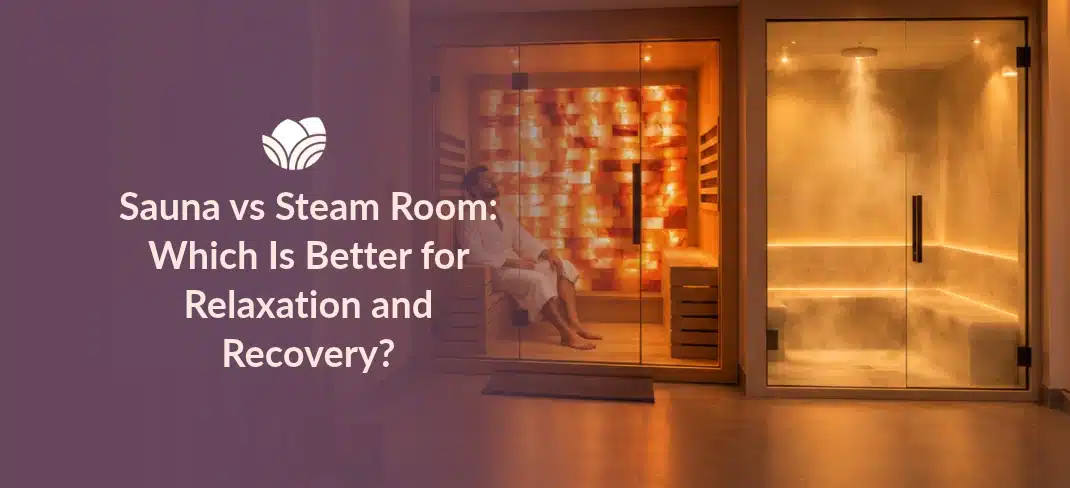
After a long day of work, an intense workout or hours spent travelling, the body often needs time to slow down and recover. Heat-and-warmth-based wellness experiences offer a way to ease physical tension, relax the muscles and create a comfortable transition from activity to rest. Saunas and steam rooms are two commonly preferred options, although they provide different experiences. The comparison of sauna vs steam largely comes down to dry heat and moist heat. A sauna creates a warm environment with relatively low humidity, while a steam room uses water vapour to produce warm, humid surroundings. Both can encourage relaxation, but their effects on comfort, perspiration and temperature regulation differ. Understanding these differences can help you choose an experience that complements your wellness routine.
What Is Sauna Therapy?
Sauna therapy involves spending a controlled period in a heated environment to experience dry warmth. Traditional saunas use heated stones or electric heaters to raise the surrounding air temperature. The relatively low humidity allows perspiration to evaporate more readily from the skin. Infrared saunas use a different heating method. Instead of relying primarily on heated air, infrared panels emit radiant heat that warms the body directly. This allows the experience to take place at a comparatively lower ambient temperature. Our Himalayan Salt Infrared Sauna at Tattva Spa, located at Golf Avenue 42, Golf Course Road, Gurugram, combines infrared warmth with natural Himalayan salt brick panels. The experience is designed to ease muscular soreness, stiffness and tension while supporting circulation and relaxation. A shower follows the session, allowing the body to cool down comfortably.
What Is a Steam Room?
A steam room is an enclosed environment where a steam generator releases water vapour to create warm, humid surroundings. Unlike a dry sauna, the air contains a high concentration of moisture, creating a distinctly different sensation. Steam rooms generally operate at lower temperatures than traditional saunas, but the high humidity can make the warmth feel intense. The moisture also slows the evaporation of sweat, influencing how the body regulates its temperature. Many people prefer steam rooms for their enveloping warmth and relaxing atmosphere. The humid environment may also temporarily ease the sensation of nasal dryness and congestion. However, these experiences are different from the effects of dry heat, and individual comfort remains an important consideration. At Tattva Spa, you can experience a 5-minute steam session after your massage for an added sense of relaxation.
Sauna vs Steam Room: Key Differences

The main difference between a sauna and a steam room is the way heat is delivered and maintained.
| Feature | Sauna | Steam Room |
|---|---|---|
| Heat type | Dry heat | Moist heat |
| Humidity | Relatively low | Very high |
| Temperature | Traditional saunas: 70–100°C | Generally 40–50°C |
| Heating method | Heated air or infrared radiation | Water vapour |
| Environment | Warm and dry | Warm and humid |
| Common preference | Dry warmth and relaxation | Moist warmth and relaxation |
These differences influence how the body experiences heat. A person who prefers a less humid environment may find a sauna more comfortable, while someone who enjoys moisture-rich warmth may prefer a steam room.
Dry Heat vs Moist Heat: How They Affect the Body
Dry heat and moist heat influence the body’s temperature regulation in different ways. In a sauna, sweat can evaporate more easily from the skin, helping the body release heat. The warmth also increases blood flow towards the skin as blood vessels widen. In a steam room, high humidity slows sweat evaporation. This means the body may find it more difficult to cool itself, even though the surrounding air temperature is lower than that of a traditional sauna. Both experiences can create a sense of physical relaxation. However, the sensation of heat, perspiration and personal tolerance can vary. Choosing between them should involve more than comparing the temperature displayed on the room’s controls.
Benefits of Sauna and Steam Rooms for Relaxation and Muscle Recovery
One of the main reasons people explore sauna vs steam room benefits is the opportunity to unwind after physically demanding activities. Sauna warmth may help ease muscular stiffness and provide temporary relief from tension. Increased blood flow towards the skin also contributes to the relaxed sensation many people experience after heat exposure. Steam rooms offer a different form of relaxation. The warm, humid surroundings create a soothing atmosphere and may provide temporary comfort when experiencing nasal dryness or congestion. However, evidence supporting specific muscle-recovery benefits from steam rooms is limited. For people balancing office schedules, fitness routines and daily responsibilities around Golf Course Road, the choice often depends on whether dry or moist warmth feels more comfortable after an active day.
Infrared Sauna vs Steam Room: How Are They Different?
The comparison of infrared sauna vs steam room becomes clearer when looking at their heating methods. An infrared sauna uses radiant heat to warm the body without creating a moisture-rich atmosphere. A steam room relies on heated water vapour to warm the surrounding air and maintain high humidity. Our Himalayan Salt Infrared Sauna offers a dry-heat experience within natural Himalayan salt brick surroundings. The warmth is intended to ease muscle soreness, stiffness and tension while supporting circulation and relaxation. Steam is also part of our Recuperate Contrast Therapy Ritual. The sequence combines Infrared Sauna warmth, a guided Cold Plunge, a Steam Bath and a final Cold Plunge. Each transition introduces a different temperature experience within one structured recovery session.
Which Is Better After a Workout?
Choosing a sauna or steam room after a workout depends on the intensity of your exercise, how your body feels, and the type of warmth you prefer. A sauna may suit people looking to unwind in dry warmth after physical activity. It can provide temporary relief from muscular stiffness and help create a relaxing transition after exercise. A steam room may appeal to those who prefer humid warmth. Its moisture-rich environment offers a different sensory experience, although it should not be considered a proven method of speeding up muscle recovery. Allow your breathing and heart rate to settle after exercise, replenish fluids, and give your body time to cool down. Avoid heat exposure when dehydrated, overheated or feeling unwell. Adequate rest, nutrition, and sleep remain essential parts of post-workout recovery.
Temperature, Humidity and Session Duration
Traditional saunas commonly operate between 70°C and 100°C, while steam rooms generally maintain temperatures between 40°C and 50°C with high humidity. Infrared saunas operate at comparatively lower ambient temperatures, although the exact settings vary between facilities. Session duration should depend on the heating method, individual tolerance and professional guidance. Beginners should start with shorter exposure and allow their bodies to become familiar with the warmth. Our Himalayan Salt Infrared Sauna is designed as a 40-minute experience. This duration allows for preparation, the therapy, and time afterwards, while the core therapy time is guided according to the requirements of the recovery treatment.
Sauna vs Steam Room for Beginners
For first-time guests, the most useful starting point is understanding the difference between dry and moist heat. Those who prefer less humidity may find an infrared sauna more comfortable, while people who enjoy warm, humid surroundings may prefer a steam room. Begin with a comfortable exposure, follow the facility’s instructions and pay attention to how your body responds. Allow yourself enough time to cool down after leaving the heated environment. A consultation before the session can also help identify individual comfort levels and any health considerations that may influence the choice.
Safety Precautions and Who Should Avoid Them
Heat exposure requires care, particularly for people with existing medical conditions. Pregnant guests and individuals with cardiovascular conditions, uncontrolled hypertension or implanted electronic devices should seek medical clearance before using an infrared sauna. Guests experiencing fever, acute illness or severe dehydration should avoid the sauna. Recent surgery, medications, and other health concerns should also be discussed before choosing a heat-based experience. Our recovery consultation considers health conditions, pregnancy, medications, recent surgery and other relevant concerns before a session. Guests should stay hydrated, follow the recommended duration and inform our team immediately if they experience dizziness, nausea or unusual discomfort.
Which Experience Should You Choose?

The choice between a sauna and steam room depends on your preference for dry or moist heat, individual comfort and the purpose of your wellness routine. A sauna offers a dry, warming environment that may help ease muscular stiffness, while a steam room provides moisture-rich warmth and a different form of relaxation. For those exploring structured recovery experiences, understanding how different therapies work together can also be useful. Our Recuperate ritual brings infrared warmth and steam together with guided cold exposure, creating a sequence that moves between contrasting temperatures. Ultimately, the more suitable experience is the one that aligns with your comfort, health considerations, and relaxation needs.
FAQs
1. Should I choose a sauna or steam room if I want to relax after a tiring day?
If you enjoy dry warmth and a less humid environment, a sauna may feel more comfortable. A steam room is worth considering if you prefer warm, moisture-rich surroundings. Both offer an opportunity to slow down, unwind, and take a break from the physical demands of your day.
2. I experience muscle stiffness after gym sessions. Is a sauna or steam room better?
A sauna may be a suitable choice if you want to relax in dry warmth after exercising. Heat can help ease the sensation of muscular stiffness. Steam rooms offer a different relaxation experience, although their specific muscle-recovery benefits are less established. Remember to hydrate and cool down first.
3. Will an infrared sauna feel as hot as a traditional sauna?
Not necessarily. An infrared sauna operates at a comparatively lower ambient temperature because infrared panels deliver radiant heat directly to the body. A traditional sauna heats the surrounding air to higher temperatures. Both create a warming experience, but the way your body perceives the heat can differ.
4. Can I use a sauna and steam room during the same wellness session?
Yes, some structured wellness experiences combine both. The order and duration should be guided by the facility and your individual comfort. Our Recuperate ritual, for instance, combines infrared sauna warmth, a guided cold plunge, steam and a final cold plunge in a planned sequence.
5. How should I prepare before my first sauna or steam room session?
Start by discussing any health concerns, medications, or previous experiences with the wellness team. Drink sufficient water, understand the recommended session duration and wear suitable clothing. Avoid entering when dehydrated or unwell. Most importantly, allow yourself to become familiar with the warmth rather than rushing through the experience.
Popular Blogs




 Best Recovery Therapies for Athletes: Sauna, Cold Plunge or Leg Compression?