Login
Login
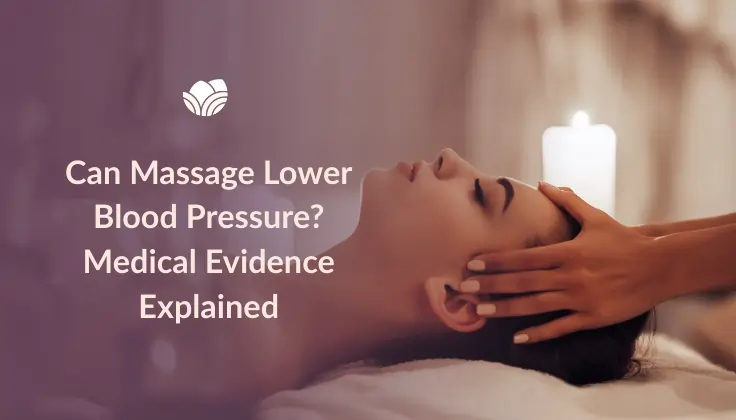
Can Massage Lower Blood Pressure? The Medical Evidence Explained
High blood pressure is one of the most common lifestyle health concerns worldwide. It rarely produces clear symptoms in the early stages, which is why it is often referred to as a silent condition. Many people only become aware of it during routine medical check-ups.
Alongside medication and lifestyle changes, many individuals are exploring complementary therapies that promote relaxation and stress reduction. One therapy receiving increasing attention is massage for blood pressure in India, particularly within wellness spas that focus on holistic health.
Massage therapy has traditionally been associated with relaxation, muscle recovery, and mental well-being. However, recent medical research has begun examining whether massage may also influence cardiovascular health. The connection lies in the relationship between stress, nervous system activity, and blood vessel function.
This article explores the medical evidence, how massage affects the body, and whether massage therapy may help support healthy blood pressure levels.
Understanding Blood Pressure and Why It Matters
Blood pressure refers to the force exerted by circulating blood against the walls of the arteries. It is measured using two numbers:
- Systolic pressure, which represents the pressure when the heart beats
- Diastolic pressure, which represents the pressure when the heart rests between beats
When blood pressure remains consistently high, the heart must work harder to pump blood throughout the body. Over time, this increased workload can damage blood vessels and raise the risk of heart disease, stroke, kidney complications, and other serious conditions.
Several factors influence blood pressure, including diet, genetics, physical activity, sleep quality, and stress levels. Stress in particular plays a powerful role because it activates the body’s fight-or-flight response, which can temporarily increase heart rate and constrict blood vessels.
This connection between stress and cardiovascular function is one reason researchers have explored therapies such as massage for blood pressure in India as a supportive wellness approach.
How Massage Influences the Body
Massage therapy works through both mechanical and neurological effects. When soft tissues are manipulated through pressure and rhythmic movements, the body responds in several ways.
First, massage can improve circulation by stimulating blood flow through muscles and surrounding tissues. Increased circulation helps deliver oxygen and nutrients more efficiently throughout the body.
Second, massage influences the autonomic nervous system. This system controls involuntary processes such as heart rate, breathing, and digestion. It consists of two main branches.
- The sympathetic nervous system activates the body’s stress response
- The parasympathetic nervous system promotes relaxation and recovery
Massage therapy often activates the parasympathetic response, allowing the body to move into a calmer physiological state. Heart rate may slow slightly, breathing becomes deeper, and muscle tension begins to release.
These effects help explain why research continues to investigate massage hypertension benefits and their role in overall stress management.
What Medical Research Says About Massage and Blood Pressure
Researchers have increasingly explored the question: Can massage reduce blood pressure? Clinical studies conducted over the past two decades have examined whether regular massage sessions can influence cardiovascular indicators.
Several studies have found modest reductions in systolic and diastolic blood pressure amongst participants who received regular massage therapy sessions over a period of weeks. These reductions are often associated with decreased stress hormone levels and improved relaxation responses.
In many studies, participants received massage once or twice per week for several weeks. Researchers observed that individuals often experienced improvements in relaxation, sleep quality, and perceived stress levels alongside measurable cardiovascular changes.
Although results vary between studies, the overall evidence suggests that massage may support blood pressure regulation by calming the nervous system and improving circulation.
Because of these potential effects, massage for blood pressure India is often recommended as a complementary therapy within wellness programmes focused on stress reduction and lifestyle balance.
However, experts consistently emphasise that massage should not replace medical treatment for hypertension. Instead, it should be used alongside proper medical care and healthy lifestyle practices.
Types of Massage That Promote Relaxation and Circulation
Not all massage techniques affect the body in the same way. Some focus on deep tissue recovery, whilst others emphasise relaxation and nervous system balance.
| Massage Type | Technique Focus | Potential Wellness Effect |
|---|---|---|
| Swedish Massage | Gentle long strokes and kneading | Promotes relaxation and improved circulation |
| Balinese Massage | Combination of acupressure, stretching, and rhythmic strokes | Deep relaxation and muscle tension relief |
| Aromatherapy Massage | Massage combined with therapeutic essential oils | Enhances emotional relaxation and stress reduction |
| Ayurvedic Oil Massage | Warm herbal oils with rhythmic movements | Supports circulation and calming effects |
These relaxation-focused treatments are often chosen by individuals seeking massage for blood pressure in India as part of stress management and wellness routines.
Why Stress Reduction Matters for Blood Pressure
Stress is one of the most significant contributors to temporary spikes in blood pressure. When the body experiences stress, it releases hormones such as cortisol and adrenaline.
These hormones prepare the body for immediate action by increasing heart rate and narrowing blood vessels. Whilst this response is useful during short bursts of stress, chronic stress can keep the body in a heightened state of tension.
Massage therapy interrupts this stress cycle by promoting relaxation and activating the body’s natural recovery processes.
During a massage session, the body may experience several beneficial responses:
- Slower heart rate
- Reduced muscle tension
- Lower levels of stress hormones
- Improved circulation
- A greater sense of mental calm
These physiological responses help explain the growing interest in spa therapy, blood pressure research and its role in preventive wellness.
Additional Wellness Benefits of Massage Therapy
While massage is often explored for stress relief, it also supports a variety of other health-related benefits that contribute to overall wellbeing.
Massage therapy may help:
- Relieve muscle stiffness and tension
- Improve circulation and lymphatic flow
- Support better sleep patterns
- Reduce anxiety and mental fatigue
- Promote faster recovery after physical activity
These broader wellness effects strengthen the case for massage hypertension benefits, especially when massage is combined with healthy habits such as regular exercise and balanced nutrition.
People who receive regular massage sessions often report improved emotional balance and reduced daily stress levels, which can indirectly support healthier cardiovascular patterns.
When Massage Should Be Used With Medical Guidance
Although massage therapy is generally safe, individuals with existing cardiovascular conditions should always consult a healthcare professional before beginning regular massage sessions.
People with severe hypertension, heart disease, or circulatory disorders may require specific precautions or modified techniques.
Professional spa therapists are trained to adjust pressure levels, massage techniques, and treatment durations based on individual health conditions. Open communication with therapists and healthcare providers ensures that massage remains a safe and supportive wellness practice.
When integrated responsibly into a broader health plan, massage for blood pressure in India can complement medical care by supporting relaxation and overall well-being.
Experience Relaxation With Tattva Wellness Spa
Stress and modern lifestyles often place significant pressure on both the body and mind. Regular wellness practices can help restore balance and promote relaxation.
At Tattva Wellness Spa, professional therapists offer carefully designed massage therapies that combine traditional techniques with modern wellness practices. Each treatment is crafted to help guests relax deeply, release muscle tension, and reconnect with a sense of calm.
Whether you are seeking stress relief or simply a peaceful break from daily routines, a wellness session can support both physical and mental rejuvenation.
Explore Tattva’s rejuvenating massage therapies and discover how relaxation-based treatments may complement your overall wellbeing journey.
Quick Questions Answered
Can massage reduce blood pressure immediately?
Massage may temporarily lower stress-related blood pressure levels by promoting relaxation.
Is massage safe for people with hypertension?
Most people can safely receive a massage, but individuals with hypertension should consult a doctor before beginning regular sessions.
Which massage is best for relaxation?
Swedish and aromatherapy massages are widely recognised for promoting relaxation and stress relief.
How often should massage be done for stress relief?
Many wellness experts suggest one session every one to two weeks for consistent relaxation benefits.
Does spa therapy blood pressure research support massage?
Studies suggest massage may support relaxation and circulation, which can indirectly benefit cardiovascular health.
Categories
- Women's Day
- Couple Massage
- Body Scrub
- Valentines
- Christmas
- Facials
- Potli Massage
- Wedding
- Foot Massage
- Diwali
- Agra
- Hyderabad
- Jaipur
- Karwa Chauth
- Goa
- Chennai
- Corporate Offers
- Gurgaon
- Delhi
- Abhyanga Massage
- Bangalore
- Lucknow
- Pune
- Locations
- Anniversary
- Birthday
- Swedish Massage
- Deep Tissue Massage
- Wellness Spa
- Rakhi
- People of Tattva
- Beauty
- Benefits of Massage
- Blog
- Body Scrubs
- Corporate Offers
- FAQ
- Gifting
- Health
- Lifestyle
- Massages
- New Launch
- Offerpage
- Services
- Spa Franchise
- Spa products
- Spa review
- TooYoo
- Uncategorized
- Weddings
- Wellness