Login
Login
Choosing the Right Massage Based on Your Stress Levels
Stress doesn’t always arrive loudly. Sometimes, it settles quietly into the shoulders after long workdays. It may also show as restless sleep, mental fatigue, or a constant feeling of being on edge. And sometimes, it feels overwhelming, affecting both the body and the mind.
In today’s fast-paced lifestyle, stress has become almost routine. But Ayurveda and wellness therapies remind us of something important: stress is not something the body should simply “get used to.” It’s something that needs to be released, gently and intentionally.
This is where massage therapy plays a meaningful role. The right massage doesn’t just relax muscles—it calms the nervous system, restores balance, and helps the body move out of survival mode.
But not all stress feels the same, and neither should your massage. In this blog, we help you choose the best massage for stress based on whether your stress levels are mild, moderate, or high—so your body receives exactly what it needs.
Understanding Stress and How It Affects the Body
Stress is the body’s natural response to pressure, change, or emotional strain. While short-term stress can be manageable, prolonged stress affects both physical and mental well-being.
Common effects of stress include:
- Tight muscles and body aches
- Fatigue and low energy
- Difficulty sleeping
- Anxiety and restlessness
- Headaches and poor focus
Over time, unmanaged stress can disrupt digestion, immunity, and emotional balance. This is why stress relief should focus not only on relaxation, but on calming the nervous system and restoring balance. Massage therapy supports this by slowing down the body’s stress response, improving circulation, and encouraging deep relaxation.
Why Choosing the Right Massage for Stress Matters
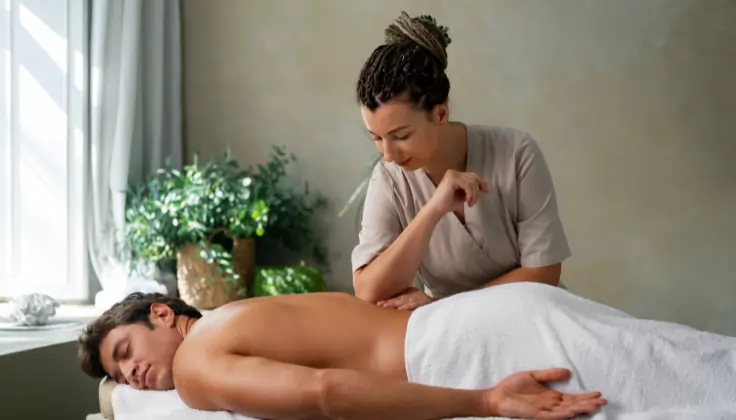
When it comes to stress relief, one massage does not fit all. A gentle massage works well for light stress, but may not be enough if your stress is deeply rooted. Similarly, a strong massage may feel overwhelming if your body is already fatigued.
Choosing the right therapy ensures:
- Better relaxation and emotional calm
- Reduced muscle tension without strain
- Improved sleep and mental clarity
- A more balanced stress response
Understanding your stress level helps you select the most effective relaxing massage therapy instead of guessing what might work.
1. Massage for Mild Stress Levels
Mild stress often feels like mental clutter rather than physical pain. You may feel tired, distracted, or slightly tense, but still functional.
Signs of Mild Stress
- Occasional fatigue
- Light shoulder or neck stiffness
- Difficulty switching off mentally
- Minor sleep disturbances
Best Massage for Mild Stress: Swedish Massage
Swedish massage is one of the most effective options for mild stress. It uses long, flowing strokes and gentle pressure to relax the body and calm the mind.
Why it works:
- Encourages relaxation without deep pressure
- Improves circulation and oxygen flow
- Helps release everyday tension
- Creates a sense of calm and mental ease
This type of stress relief massage is ideal if you’re looking to unwind, recharge, and prevent stress from building up further.
2. Massage for Moderate Stress Levels
Moderate stress is more noticeable. It often starts affecting sleep, mood, and physical comfort. Muscles feel tighter, the mind feels restless, and mental fatigue becomes harder to ignore.
Signs of Moderate Stress
- Persistent muscle tightness
- Difficulty sleeping deeply
- Frequent headaches
- Anxiety or restlessness
- Feeling mentally overwhelmed
Best Massage for Moderate Stress: Abhyanga Massage
Abhyanga is a traditional Ayurvedic full-body massage performed using warm herbal oils and rhythmic, flowing strokes. It is especially effective when stress begins to affect both the mind and the body.
Why it works:
- Calms the nervous system and reduces anxiety
- Nourishes the body and reduces fatigue
- Helps balance stress-related dosha imbalances
- Improves sleep quality and mental clarity
Abhyanga is one of the most recommended options for those experiencing moderate stress and anxiety, as it doesn’t just relax muscles but creates a deep sense of grounding and emotional stability. It works gently yet effectively, making it a powerful massage for anxiety and ongoing stress management.
3. Massage for High Stress Levels
High stress feels heavy—physically and emotionally. The body may feel constantly tense, while the mind struggles to slow down. This level of stress often requires deeper, more intentional therapy.
Signs of High Stress
- Chronic muscle pain or stiffness
- Emotional exhaustion
- High anxiety or restlessness
- Poor sleep or insomnia
- Feeling disconnected or overwhelmed
Best Massage for High Stress: Deep Tissue Massage
Deep tissue massage focuses on deeper layers of muscles and connective tissues. It releases long-held tension caused by chronic stress.
Why it works:
- Targets deeply knotted muscles
- Improves blood circulation
- Helps release physical stress stored in the body
- Supports long-term stress recovery
How Massage Therapy Helps Reduce Stress Naturally

Massage therapy works by addressing stress at its root, not just its symptoms.
Key benefits include:
- Calming the nervous system
- Lowering stress hormones
- Improving blood and lymphatic circulation
- Encouraging deep relaxation
- Supporting better sleep and mood
When practiced regularly, massage becomes a preventive wellness practice rather than just a quick fix.
Experience Stress Relief at Tattva Spa
At Tattva Spa, massage therapies are designed to support both physical comfort and emotional well-being. Each therapy focuses on balance, relaxation, and mindful care—helping the body release stress naturally.
Whether you’re dealing with light mental fatigue or deeper emotional strain, Tattva Spa offers carefully curated therapies aligned with wellness principles to help you feel calm, grounded, and restored.
Closing Lines
Stress may be a part of modern life, but living with constant tension doesn’t have to be. Listening to your body and choosing the right massage can make a meaningful difference in how you feel physically, mentally, and emotionally. When relaxation is intentional and aligned with your stress levels, healing feels natural. Sometimes, all the body needs is the right touch to let go.
FAQs
Q1. What is the best massage for stress relief?
The best massage for stress depends on your stress level. Swedish massage works well for mild stress, Abhyanga supports moderate stress and anxiety, while deep tissue massage is ideal for high stress levels with chronic muscle tension.
Q2. Which massage is best for anxiety?
Abhyanga massage is often recommended for anxiety because it calms the nervous system with warm oils and rhythmic strokes, creating a grounded, relaxed state.
Q3. Are there different stress-relief massage types?
Yes. Common stress relief massage types include Swedish massage, deep tissue massage, and Ayurvedic therapies like Abhyanga. Each addresses stress differently based on intensity and symptoms.
Q4. How often should I get a relaxing massage therapy for stress?
For ongoing stress, a relaxing massage therapy once every two weeks is commonly recommended. For high stress levels, weekly sessions may offer better support, depending on your body’s needs.
Q5. Can massage therapy help with long-term stress?
Yes. Regular massage therapy helps manage long-term stress by relaxing muscles, improving sleep, reducing anxiety, and supporting overall emotional balance.
Standard Disclaimer: The information provided in this article is for general informational purposes only and should not be considered professional advice.
Categories
- Couple Massage
- Body Scrub
- Valentines
- Christmas
- Facials
- Potli Massage
- Jamshedpur
- Wedding
- Foot Massage
- Diwali
- Agra
- Hyderabad
- Noida
- Lonavala
- Jaipur
- Karwa Chauth
- Mumbai
- Indore
- Goa
- Chennai
- Gurgaon
- Delhi
- Abhyanga Massage
- Bangalore
- Lucknow
- Pune
- Locations
- Anniversary
- Birthday
- Swedish Massage
- Deep Tissue Massage
- Wellness Spa
- Rakhi
- People of Tattva
- Beauty
- Benefits of Massage
- Blog
- Body Scrubs
- Corporate Offers
- FAQ
- Gifting
- Health
- Lifestyle
- Massages
- New Launch
- Offerpage
- Services
- Spa Franchise
- Spa products
- Spa review
- TooYoo
- Uncategorized
- Weddings
- Wellness