Login
Login

How Ayurvedic Massages Keep You Warm, Relaxed & Healthy in Winter
Winter has a way of slowing everything down. The mornings feel heavier. The joints feel stiffer. The skin feels drier. And the body, somehow, asks for more warmth, rest, and care.
This is exactly why Ayurveda places such great importance on oil massages during the winter. The word Ayurveda comes from two Sanskrit terms. Ayur means life, and Veda means knowledge. Together, they translate to “the science of life.” Massage has always been an essential part of this science, not just for relaxation but for maintaining balance and preventing illness.
Ayurvedic massages are also known as Abhyanga, a holistic approach to wellness. They are a seasonal wellness ritual designed to keep the body warm, balanced, and resilient during cold months.
In this blog, we explore how Ayurvedic massage in winter supports warmth, relaxation, immunity, and overall well-being. These age-old wisdoms are still relevant for the modern lifestyle and wellness.
How Winter Affects the Body?
According to Ayurveda, winter is dominated by Vata and Kapha doshas. Vata increases due to cold, dryness, and wind, causing dryness, anxiety, and stiffness. Kapha accumulates due to heaviness and reduced movement, bringing heaviness, congestion, and lethargy.
This imbalance can lead to cold hands and feet, joint stiffness and body aches, dry flaky skin, low energy and sluggish digestion, and weakened immunity.
Ayurveda doesn’t fight the season. By following the ayurvedic wellness practices for the winter season, we can prepare our bodies for the season. Oil massage in winter is one of them.
Ayurvedic Massage and Its Role in Restoring the Body During Winter

An Ayurvedic massage is a therapeutic oil-based treatment rooted in ancient Indian healing traditions. It uses warm herbal oils, rhythmic strokes, and pressure techniques tailored to your body type and seasonal needs.
Unlike regular massages, Ayurvedic massages focus on Dosha balance, circulation of vital energy, detoxification, and long-term health, not just instant relief. It grounds Vata with slow, rhythmic movements and stimulates Kapha with warming pressure.
Here’s how it restores the body during winter.
1. Warm Oils Create Internal Heat
The biggest benefit of oil massage for the cold season is warmth. Warm herbal oils penetrate deep into the tissues. They help improve blood circulation by warming up muscles and joints, which reduces the chilling effect of winter. This is why Abhyanga is traditionally recommended during colder months.
2. Abhyanga Massage Benefits Go Beyond Relaxation
Abhyanga is a full-body oil massage performed with long, flowing strokes. In winter, it becomes a protective ritual. It reduces dryness in skin and tissues, relieves joint pain and stiffness, improves sleep quality, and also helps with better digestion and metabolism.
It’s like wrapping your body in warmth from the inside out.
Ayurveda teaches that good health comes from balance. By restoring harmony it helps the body adapt to seasonal changes with ease.
How Ayurvedic Massage Supports Immunity in Winter

Winter can quietly weaken the body’s natural defences. Cold weather, dry air, and seasonal fatigue often reduce circulation, digestion, and overall energy.
Ayurvedic massage helps protect immunity during winter by keeping the body warm, relaxed, and balanced from within.
How It Helps
- Improves circulation: Warm herbal oils enhance blood flow, helping nutrients and oxygen reach every cell.
- Supports lymphatic drainage: Massage stimulates toxin removal, keeping the immune system active and efficient.
- Reduces stress: Calming massage techniques relax the nervous system, which supports stronger immunity.
- Promotes better sleep: Deep relaxation helps the body rest and recover more effectively.
- Strengthens digestion: Ayurveda links strong digestion with strong immunity, and massage helps maintain digestive balance.
It supports immunity by addressing the root causes of winter-related weakness. It also calms the nervous system, reduces mental fatigue, and promotes emotional balance.
When practiced regularly, it helps the body stay resilient and better prepared to handle seasonal changes.
Experience Ayurvedic Winter Care at Tattva Spa
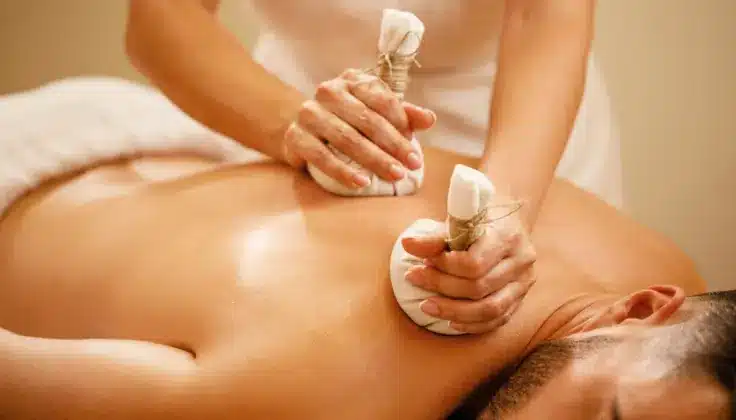
For those who prefer guided Ayurvedic care during winter, certain spa therapies are designed to work specifically with seasonal needs.
At Tattva Spa, Ayurvedic-inspired massages focus on warmth, circulation, and muscle comfort, making them especially suitable for colder months.
Abhyanga Massage for Winter Balance
Abhyanga is one of the most recommended Ayurvedic massages during winter. It involves the use of warm herbal oils applied in rhythmic strokes across the body.
In winter, this therapy helps counter dryness caused by cold air, support joint flexibility, improve blood circulation, and create a grounding and calming effect.
The warmth of the oil, combined with slow movements, makes Abhyanga ideal for restoring balance during seasonal transitions.
Potli Massage for Muscle Comfort
Potli massage uses warm herbal pouches gently pressed and massaged across the body. The heat from the potlis penetrates deeper layers of muscles, making it especially beneficial during winter.
This therapy is helpful if your muscles feel tight or fatigued, the body feels heavy or stiff, or you want warmth-based relaxation.
Potli massage complements winter wellness by easing muscle discomfort and promoting relaxation through heat therapy.
Shirodhara for Mental Calm During Seasonal Transitions
Winter can quietly affect mental well-being, leading to restlessness or low mood.
Shirodhara addresses this by gently pouring warm oil over the forehead in a continuous stream. This therapy helps calm the nervous system, improve mental clarity, and promote emotional balance.
Shirodhara works well for those seeking mental stillness alongside physical relaxation during seasonal transitions.
If you are looking to experience traditional Ayurvedic therapies in a calming, professional setting, Tattva Spa offers Ayurvedic-inspired massages that focus on warmth, balance, and seasonal wellness.
Our therapies are designed to align with Ayurvedic principles while providing a comfortable spa experience.
Closing Lines
Winter asks us to slow down and to listen more closely to our bodies. To choose warmth, nourishment, and rest over constant activity.
Ayurvedic massages are not a trend. They are a timeless response to seasonal needs, helping you stay warm, relaxed, and healthy when your body needs it most.
FAQs
Q1. How often should I get an Ayurvedic massage in winter?
Once a week or once every two weeks is ideal during winter to maintain warmth, balance, and immunity.
Q2. What are the benefits of Ayurvedic massage in winter?
It improves circulation, keeps the body warm, reduces dryness and stiffness, supports immunity, and promotes deep relaxation.
Q3. How do I choose the right oil massage for the cold season?
Ayurvedic therapists usually recommend warm, herbal oils like sesame-based blends based on your body type and concerns.
Q4. Is Abhyanga suitable for everyone during winter?
Most people benefit from Abhyanga, but those with specific medical conditions should consult a professional before treatment.
Q5. Can Ayurvedic massage help with winter-related joint pain?
Yes. Warm oils and rhythmic strokes help ease stiffness, improve mobility, and reduce joint discomfort common in cold weather.
Categories
- Couple Massage
- Body Scrub
- Valentines
- Christmas
- Facials
- Potli Massage
- Jamshedpur
- Wedding
- Foot Massage
- Diwali
- Agra
- Hyderabad
- Noida
- Lonavala
- Jaipur
- Karwa Chauth
- Mumbai
- Indore
- Goa
- Chennai
- Gurgaon
- Delhi
- Abhyanga Massage
- Bangalore
- Lucknow
- Pune
- Locations
- Anniversary
- Birthday
- Swedish Massage
- Deep Tissue Massage
- Wellness Spa
- Rakhi
- People of Tattva
- Beauty
- Benefits of Massage
- Blog
- Body Scrubs
- Corporate Offers
- FAQ
- Gifting
- Health
- Lifestyle
- Massages
- New Launch
- Offerpage
- Services
- Spa Franchise
- Spa products
- Spa review
- TooYoo
- Uncategorized
- Weddings
- Wellness