Login
Login
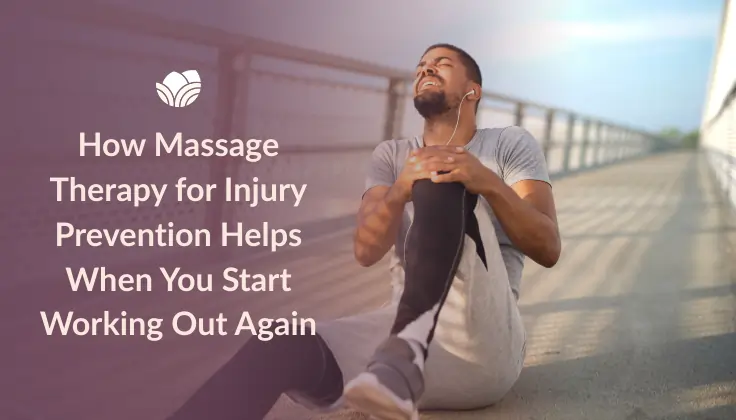
How Massage Therapy for Injury Prevention Helps When You Start Working Out Again
Starting your fitness routine again feels exciting. New goals, fresh motivation, and that determination to stay consistent. But let’s be honest—when you jump back into workouts after a break, your body doesn’t always cooperate. Soreness kicks in, muscles feel tight, and sometimes small strains turn into bigger setbacks. This is where massage therapy for injury prevention becomes your secret weapon.
Whether you’re returning to the gym after a long break, restarting yoga, or training for a marathon, incorporating massage into your routine can make a real difference. It supports fitness injury prevention, speeds up recovery, and keeps your muscles ready for your next session.
Why Injuries Happen When You Restart Workouts
When you take a break from exercise, your muscles lose some strength, flexibility, and endurance. Jumping back in too quickly can lead to:
- Muscle stiffness
- Micro-tears in muscle fibres
- Joint strain
- Delayed onset muscle soreness (DOMS)
Without proper care, these minor issues can become bigger problems. That’s why massage therapy for injury prevention is not just a luxury; it’s smart recovery.
The Role of Massage in Fitness Injury Prevention
One of the most important aspects of fitness injury prevention is muscle balance and flexibility. Tight muscles restrict movement, which increases strain on joints and surrounding tissues.
Regular muscle recovery massage helps by:
- Improving blood circulation
- Reducing muscle tightness
- Increasing flexibility
- Enhancing range of motion
When your muscles are relaxed and flexible, your body moves better. And better movement means fewer injuries.
Sports Massage Benefits for Active Lifestyles
If you’re into intense training or strength workouts, understanding sports massage benefits can change the way you recover. Sports massage is specifically designed for active individuals. It focuses on deeper muscle layers, targeting tension and fatigue.
Some key sports massage benefits include:
- Reduced muscle soreness
- Improved circulation
- Faster recovery
- Lower risk of strains
By regularly scheduling a muscle recovery massage, you support your body’s natural repair process. This makes massage therapy for injury prevention even more effective when increasing workout intensity.
Why Massage After Workout Is So Important
Many people stretch after exercise but skip recovery care. However, getting a massage after workout sessions can dramatically reduce stiffness and soreness.
When you exercise, lactic acid builds up in your muscles. A massage after workout helps flush out toxins and improves oxygen flow to tissues. This speeds up healing and reduces that uncomfortable next-day soreness. Adding a muscle recovery massage once a week when restarting workouts can help your body adapt faster.
Tattva Spa’s Signature Massage Therapy for Active Individuals
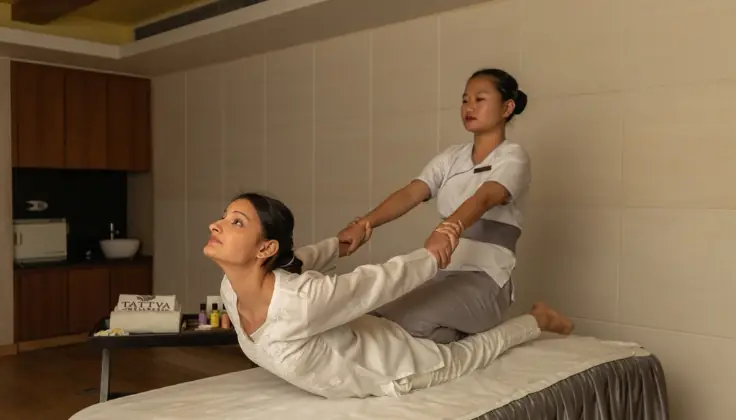
For those specifically looking for sports-focused recovery, Tattva Spa’s Signature Massage Therapy blends deep tissue techniques with relaxation methods to ease muscle fatigue while calming the mind.
This therapy supports:
- Deep muscle relaxation
- Stress relief
- Improved flexibility
- Enhanced recovery
The structured approach used in this therapy aligns perfectly with massage therapy for injury prevention, especially when your body is adjusting to renewed physical activity.
Other Massage Services That Support Recovery
While sports-focused therapy is beneficial, other services also contribute to fitness injury prevention:
- Deep Tissue Massage – Ideal for targeting chronic muscle tension and tightness. Highly effective as a muscle recovery massage.
- Swedish Massage – Perfect for beginners restarting workouts. Promotes circulation and works well as a gentle massage after workout.
- Potli Massage – Helps reduce stiffness and muscle fatigue using warm herbal compresses.
- Abhyanga Massage – An Ayurvedic-inspired therapy that enhances circulation and supports overall body balance.
Each therapy supports massage therapy for injury prevention depending on workout intensity and recovery needs.
How Often Should You Get a Massage?
If you’re restarting workouts:
- Light workouts: Once every 2 weeks
- Moderate training: Once a week
- Intense training: 1–2 times per week
Regular sessions maximise sports massage benefits and strengthen your fitness injury prevention strategy. Think of massage as part of your training plan, not an occasional treat.
Flexibility and Mobility: The Hidden Benefits
Tight hamstrings, stiff shoulders, and sore calves can limit performance. A proper muscle recovery massage improves flexibility by relaxing muscle fibres and increasing joint mobility.
Improved flexibility leads to better workout performance, reduced strain on ligaments, and a lower risk of muscle tears. This is why athletes worldwide include massage therapy for injury prevention in their routines.
Mental Recovery Matters Too
When you restart fitness goals, mental motivation is just as important as physical strength. A massage after workout not only relaxes your body but also reduces stress hormones.
Lower stress levels improve sleep quality, and good sleep enhances recovery. Better recovery leads to stronger workouts. Stronger workouts with balanced muscles reduce injury risk. It’s a complete wellness cycle.
Make Recovery a Priority, Not an Afterthought
We often focus on pushing harder, lifting heavier, or running faster. But real progress happens when recovery is given equal importance.
By incorporating regular muscle recovery massage sessions and understanding the full range of sports massage benefits, you protect your body from setbacks. Massage therapy for injury prevention ensures consistency instead of forced breaks due to avoidable strains.
Wrapping It Up
Restarting your workout routine is exciting, but it’s also when your body is most vulnerable. That’s why massage therapy for injury prevention should be part of your fitness strategy.
From improving flexibility to enhancing recovery and reducing soreness, the combined power of sports massage benefits, regular massage after workout, and structured muscle recovery massage sessions supports long-term fitness injury prevention.
Your fitness journey isn’t just about pushing limits—it’s about caring for your body along the way.
Disclaimer: Massage therapies are intended for relaxation and general wellness support. They are not a substitute for medical treatment or professional healthcare advice. Please consult a medical professional for any existing injuries or medical conditions before booking a massage therapy session.
FAQs
1. How does massage therapy for injury prevention work?
Massage therapy for injury prevention improves blood circulation, reduces muscle tightness, and increases flexibility, helping muscles recover properly after workouts.
2. What are the key sports massage benefits for active individuals?
Sports massage benefits include reduced muscle soreness, improved flexibility, faster recovery, and lower risk of workout-related strains.
3. Is massage after workout really necessary?
Yes, massage after workout sessions helps flush out toxins, ease muscle stiffness, and support quicker recovery, especially when restarting exercise.
4. How often should I get a muscle recovery massage?
If you’re working out regularly, a muscle recovery massage once a week can support fitness injury prevention and maintain muscle balance.
5. Can massage therapy prevent gym injuries?
Yes, massage therapy for injury prevention reduces muscle tightness and improves mobility, lowering the risk of common gym injuries.
6. What is the difference between sports massage and regular massage?
Sports massage focuses on deeper muscle layers and performance recovery, while regular massages like Swedish are more relaxation-oriented.
7. Does Tattva Spa offer massage services for fitness enthusiasts?
Yes, Tattva Spa offers Signature Massage Therapy, Deep Tissue Massage, Swedish Massage, and other treatments that support muscle recovery and fitness injury prevention.
8. Is muscle recovery massage suitable for beginners?
Absolutely. Muscle recovery massage is beneficial for beginners as it reduces soreness and helps the body adapt to new workout routines.
9. Can massage therapy improve flexibility?
Yes, regular massage therapy for injury prevention improves flexibility by relaxing muscle fibres and increasing range of motion.
10. When should I book a massage after workout?
You can book a massage after workout within 24–48 hours to reduce soreness and support muscle healing.
Categories
- Women's Day
- Couple Massage
- Body Scrub
- Valentines
- Christmas
- Facials
- Potli Massage
- Wedding
- Foot Massage
- Diwali
- Agra
- Hyderabad
- Lonavala
- Jaipur
- Karwa Chauth
- Mumbai
- Indore
- Goa
- Chennai
- Corporate Offers
- Gurgaon
- Delhi
- Abhyanga Massage
- Bangalore
- Lucknow
- Pune
- Locations
- Anniversary
- Birthday
- Swedish Massage
- Deep Tissue Massage
- Wellness Spa
- Rakhi
- People of Tattva
- Beauty
- Benefits of Massage
- Blog
- Body Scrubs
- Corporate Offers
- FAQ
- Gifting
- Health
- Lifestyle
- Massages
- New Launch
- Offerpage
- Services
- Spa Franchise
- Spa products
- Spa review
- TooYoo
- Uncategorized
- Weddings
- Wellness