Login
Is a 60-Minute or 90-Minute Massage Better?
A 60-minute massage is a practical choice for general relaxation and focused attention on a few areas of tension. A 90-minute massage allows more time for a detailed, unhurried session, particularly when several areas need attention. Neither duration is automatically better; the right choice depends on your comfort, personal needs, massage type and available time.

Between life’s everyday chaos and the physical demands of your routine, finding time to relax has become an important part of maintaining personal well-being. A massage offers an opportunity to slow down, ease accumulated tension, and give the body some attention. However, when choosing an appointment, one common question is whether 60 minutes is enough or whether a 90-minute session offers a more complete experience. The answer depends on the type of massage, the areas requiring attention and the time you want to dedicate to relaxation. A 60-minute session provides a balanced treatment, while an additional 30 minutes allows more time for focused work and a slower pace. Understanding the difference between these durations can help you make a more suitable choice.
How Do 60-Minute and 90-Minute Massage Sessions Differ?

Massage duration influences how a therapist distributes attention across different parts of the body. While both options can support a full-body experience, the available time changes the pace and level of focus. A 60-minute massage is generally suitable for people seeking overall relaxation or attention to a few specific areas. A 90-minute session offers more flexibility, particularly when several muscle groups need attention or when someone prefers a longer, unhurried experience. Neither is universally better; the choice should reflect individual requirements and treatment preferences.
What Happens During a 60-Minute Massage?
A 60-minute massage follows a structured approach, allowing the therapist to work across the body within an hour. Depending on the selected technique and your preferences, attention may be distributed across the back, shoulders, neck, arms and legs. The session usually begins with a conversation about your comfort, preferred pressure and any areas of concern. The therapist then follows a suitable sequence, adjusting the approach according to your requirements.
60-minute massage benefits include:
- Providing a balanced full-body massage experience.
- Helping ease everyday muscular tension.
- Supporting relaxation after a demanding day.
- Offering an opportunity to address selected areas of discomfort.
- Making regular wellness appointments easier to accommodate.
For people working around the clock, where professional commitments and daily travel can leave limited time for personal routines, an hour-long appointment can be a practical way to include relaxation in the week.
Why Should You Choose a 90-Minute Massage?
A 90-minute massage provides an additional half-hour for a more extended treatment experience. The therapist has greater flexibility to distribute time across different muscle groups, allowing specific areas to receive additional attention without significantly reducing the time available for the rest of the body. This can be useful for someone experiencing tension across the shoulders, back and legs, or someone who prefers a slower massage pace. The additional time also allows the therapist to work through the selected technique without having to move between areas as quickly.
90-minute massage benefits include:
- Allowing additional attention across multiple muscle groups.
- Providing a more extended full-body experience.
- Accommodating a slower and more relaxed treatment pace.
- Offering flexibility for focused muscular work.
- Giving people more time to unwind during their appointment.
A longer session does not necessarily mean deeper pressure; it’s an extended period of comfort for your body. The therapist should adjust the technique and intensity according to individual comfort.
What Each Session Offers: A Detailed Breakdown
The most noticeable difference between these durations is how much time can be allocated to each area. Both can provide a satisfying massage experience, but they serve slightly different preferences.
| Comparison | 60-Minute Massage | 90-Minute Massage |
|---|---|---|
| Treatment duration | One hour | One and a half hours |
| Treatment pace | Structured and balanced | More extended and unhurried |
| Body coverage | Full-body or selected areas | Full-body with additional attention |
| Focus areas | Suitable for a few priorities | More flexibility across multiple areas |
| Scheduling | Easier to fit into a busy routine | Requires more dedicated time |
| Suitable for | General relaxation and everyday tension | Extended relaxation and broader muscular attention |
The right choice depends on what you want from the appointment rather than the duration alone.
Which Massage Duration Offers Better Relaxation and Muscle Tension Relief?
For general relaxation, a 60-minute massage can provide enough time for a balanced treatment. It is suitable for people who want to take a break from their daily routine and ease everyday muscular tension. A 90-minute massage may be more appropriate when tension is spread across several areas. For instance, someone spending long hours at a desk may experience stiffness around the neck and shoulders alongside discomfort in the back. An extended session gives the therapist more time to address these areas while maintaining a comfortable treatment pace. The type of massage also matters. Deep Tissue Massage focuses on muscular tightness and accumulated tension, whereas Sports Massage is designed around the physical demands of activity and muscular fatigue. The technique should be selected according to the intended experience, not simply the available duration.
Is a 60-Minute or 90-Minute Massage Better for First-Time Visitors?
For someone trying a professional massage for the first time, 60 minutes can be a comfortable starting point. It provides time to become familiar with the treatment, communicate pressure preferences, and understand how the body responds. A 90-minute session can also suit first-time visitors who are comfortable with a longer appointment and prefer an extended experience. There is no requirement to begin with a longer duration. We encourage guests to communicate their preferences and any areas of discomfort before the treatment. This helps us understand what they expect from the experience and adapt the approach accordingly.
How Do Massage Duration and Price Affect Overall Value?
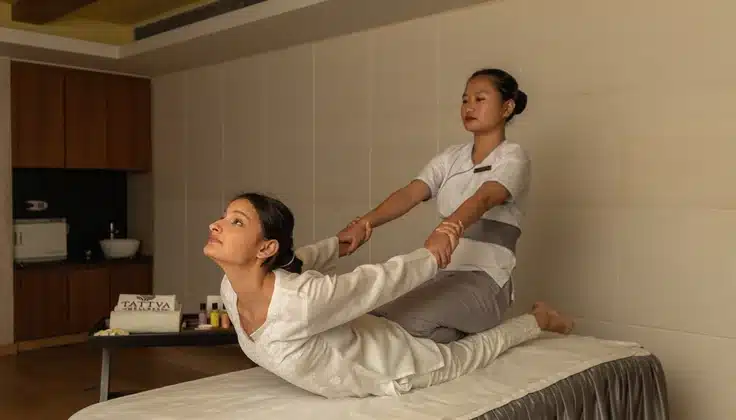
A longer massage generally costs more because it involves additional treatment time. However, comparing value requires looking beyond the duration and considering the technique, treatment approach and individual requirements. A 60-minute appointment may offer better practical value for someone seeking regular relaxation. A 90-minute appointment may be more suitable when additional attention across different areas is a priority. Our recovery experiences reflect how massage duration can be combined with other therapies. Prime & Restore pairs Himalayan Salt Infrared Sauna with a 60-minute Deep Tissue Massage. Reset Ritual combines a 90-minute Sports Massage with a guided Cold Plunge. These experiences demonstrate how treatment time can be considered alongside the purpose of the overall recovery session.
How to Choose the Right Massage Duration for Your Needs
Before deciding how long a massage should be, consider your schedule, physical activity and expectations from the treatment.
- For everyday relaxation: A 60-minute session can provide a balanced experience without requiring an extended appointment.
- For multiple areas of tension: Consider 90 minutes when you want additional attention across different muscle groups.
- For a demanding work routine: An hour-long session may be easier to include in your regular schedule.
- For an extended wellness experience: Choose 90 minutes if you prefer a slower treatment pace and more time to unwind.
- For physical activity and exercise: Consider the massage technique alongside its duration, particularly when addressing muscular fatigue.
A short conversation with your therapist can help determine which option is more appropriate. Share any medical conditions, recent injuries, medications or other health considerations before the session. Pressure should remain comfortable, and any unusual discomfort should be communicated immediately. Ultimately, the 60-minute vs 90-minute massage decision is about understanding what your body needs and how much time you can comfortably dedicate to the experience. An hour can be sufficient for balanced relaxation, while 90 minutes offers additional flexibility for a more extended treatment.
FAQs
1. I have only an hour free. Is a 60-minute massage enough?
Yes, a 60-minute massage can be a worthwhile choice when you have limited time but still want to unwind. It allows you to enjoy a focused session without setting aside a large part of your day. The therapist can tailor the approach to your preferences and the areas you want addressed.
2. Will a 90-minute massage cover more areas of my body?
A 90-minute session gives you additional time for a more gradual massage experience. Depending on the technique and your preferences, the therapist may be able to spend longer on areas that need attention while maintaining a comfortable pace. Discuss your priorities before the session so the time is used meaningfully.
3. I sit at a desk for most of the day. Should I choose 60 or 90 minutes?
If you mainly want to unwind after a long working day, 60 minutes may be sufficient. If you experience tension across several areas and prefer a less hurried session, consider 90 minutes. Share where you feel discomfort with your therapist so the session can be planned around your needs.
4. Is a 90-minute massage too long if I have never had one before?
Not necessarily. The right duration depends on your comfort, preferences and the massage technique. However, if you are unfamiliar with massage or unsure how your body responds to it, starting with 60 minutes can feel more manageable. You can consider a longer session once you understand what works for you.
5. How do I decide whether the extra 30 minutes is worth the cost?
Consider what you want from the session rather than choosing based on duration alone. If you need focused attention and have limited time, 60 minutes may meet your expectations. If you prefer a slower pace and more time for different areas, the additional 30 minutes may offer better value.
Popular Blogs

 Cold Plunge Therapy Price in Gurgaon: Session Costs, Duration and What to Expect




 Best Recovery Therapies for Athletes: Sauna, Cold Plunge or Leg Compression?